Hammock Ridgelines
A ridgeline fixes your hammock's sag so it hangs identically every time, whatever the trees are doing. It is the cheapest upgrade in hammock camping.
By Mike M. · Last updated
Knot & Nap is reader-supported. We earn from qualifying purchases as an Amazon Associate, at no extra cost to you. Commissions never decide what gets recommended — here is how we pick.

A structural ridgeline runs between the two ends of a hammock and fixes its sag independently of how far apart the anchors are. The standard length is about 83% of the hammock's length — DutchWare sells fixed lines at 100 and 110 inches for 10- and 11-foot hammocks.
Part of our hammock gear hub. This is a small, cheap piece of cord that changes how consistently your hammock hangs, and most people do not fit one until someone explains what it does.
What problem it solves
Without a ridgeline, your hammock's sag is set by how far apart the trees are and how high you attached the straps. Move to different trees and you get a different hammock — tighter, flatter, less comfortable, or a bag you cannot get out of.
A structural ridgeline sets the distance between the hammock's two ends directly. Once it is taut, the hammock's shape is fixed. You can be sloppy about the straps and still get an identical hang, which over a season is a lot of fiddling avoided.
Quick picks
Tap any row to jump to the full write-up. Prices are not shown anywhere on this site — we link straight to Amazon so you see the live figure.
| # | Product | Best for | Headline spec | Price |
|---|---|---|---|---|
| 1 | DutchWare Adjustable Structural RidgelineAn adjustable UCR ridgeline from 26 to 135 in — set your sag once and the hammock hangs the same way forever. | Repeatable sag, every time | Adjustable UCR ridgeline, 26 in minimum to 135 in maximum | |
| 2 | 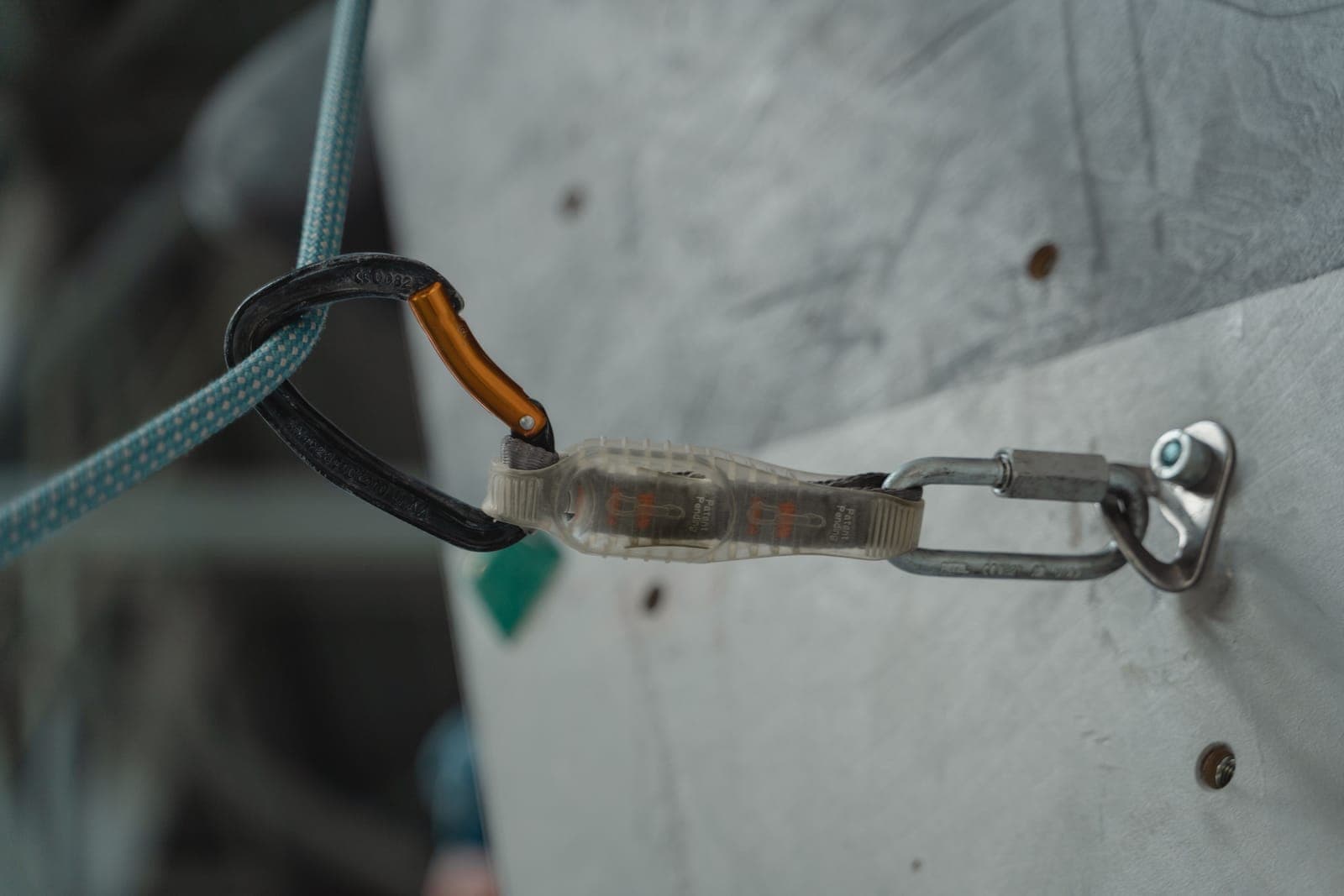 Hammock Gear Whoopie SlingAn adjustable Amsteel sling that replaces bulky daisy-chain webbing at the hammock end of the suspension. | Adjustable suspension without webbing | Adjustable Amsteel whoopie sling, sold singly | |
| 3 |  ENO Atlas Hammock Suspension SystemThe straps everyone else gets compared against — proven, stocked everywhere, a step behind the Python on specs. | The industry standard | 400 lb combined capacity |
#ad — the buy links above are affiliate links. See our affiliate disclosure.
How long should a ridgeline be?
| Hammock length | Ridgeline | Notes |
|---|---|---|
| 10 ft | 100 in | DutchWare fixed line |
| 11 ft | 110 in | DutchWare fixed line |
| Any | About 83% of hammock length | The rule of thumb the fixed lines follow |
| Any | 26 to 135 in | DutchWare adjustable UCR range |
Shorter than 83% and the hammock gets deeper and more curved; longer and it flattens toward a tight hang. Adjustable ridgelines let you experiment and settle on your own number, which is worth doing if you sleep in the hammock rather than lounge in it.
1. Repeatable sag, every time
DutchWare Adjustable Structural Ridgeline
An adjustable UCR ridgeline from 26 to 135 in — set your sag once and the hammock hangs the same way forever.
Specifications
- Adjustable UCR ridgeline, 26 in minimum to 135 in maximum
- Fixed alternatives at 100 in and 110 in for 10 ft and 11 ft hammocks
- DutchWare's rule of thumb: a ridgeline runs about 83% of the hammock's length
Source: dutchwaregear.com product pages, 2026. We publish specs we can attribute and leave the rest blank rather than assuming a typical value.
What it does well
- Fixes the hammock's sag independent of how far apart the trees are
- Adjustable range covers nearly any hammock length
Where it falls short
- One more thing in the suspension to learn and set up
- A ridgeline set too short makes the lay worse, not better
Illustrative photograph of the category, not this exact product.
2. Adjustable suspension without webbing
Hammock Gear Whoopie Sling
An adjustable Amsteel sling that replaces bulky daisy-chain webbing at the hammock end of the suspension.
Specifications
- Adjustable Amsteel whoopie sling, sold singly
Source: hammockgear.com product page, 2026. We publish specs we can attribute and leave the rest blank rather than assuming a typical value.
What it does well
- Far less bulk and weight than daisy-chain webbing
- Infinite adjustment within its range
Where it falls short
- Still needs a tree-protection strap — a whoopie sling alone is not tree-friendly
- Published working load is not stated on the listing
Illustrative photograph of the category, not this exact product.
3. The industry standard
ENO Atlas Hammock Suspension System
The straps everyone else gets compared against — proven, stocked everywhere, a step behind the Python on specs.
Specifications
- 400 lb combined capacity
- 9 ft long
- 9 oz
- 15 attachment points
Source: 99Boulders 2026 hammock strap test and ENO product listing. We publish specs we can attribute and leave the rest blank rather than assuming a typical value.
What it does well
- Stocked in nearly every outdoor store, so replacement is easy
- Proven design with a long track record
Where it falls short
- 400 lb and 9 ft both trail the Kammok Python 10
- Heavier than the Python despite being shorter
Illustrative photograph of the category, not this exact product.
Fixed or adjustable?
- Fixed is lighter, simpler, and impossible to get wrong once you have the right length. Buy fixed if you know your preferred sag.
- Adjustable covers a wide range — DutchWare's UCR runs 26 to 135 inches — and lets you change the hammock's shape without changing hardware. Buy adjustable if you are still working out what you like, or if you use more than one hammock.
Structural versus tarp ridgelines
These are two different things and the shared name confuses people. A structural ridgeline connects the hammock's own two ends and sets its sag. A tarp ridgeline runs between the anchors above the hammock and holds the tarp up. You can have either, both or neither.
Both are worth having. The tarp ridgeline in particular means you can pitch the tarp first in the rain and set up dry underneath it. See best hammock rain flies.
Other things a ridgeline gives you
- Somewhere to hang a bug net so it lifts clear of your face rather than pressing against it.
- Somewhere to clip a headlamp, glasses and a phone, so none of them is on the ground.
- A reference line for checking your hang angle by eye.
- A way to reproduce a good setup exactly, which matters most when it is dark and raining.
Common questions
How long should a hammock ridgeline be?
About 83% of the hammock's length, which is the rule of thumb DutchWare publishes. Their fixed lines are 100 inches for a 10-foot hammock and 110 inches for an 11-foot one, and their adjustable UCR covers 26 to 135 inches.
Do I need a structural ridgeline?
You do not need one, and it is one of the cheapest improvements available. It fixes the hammock's sag so you get the same comfortable hang whatever the trees are doing, and it gives you somewhere to hang a bug net and your gear.
What is the difference between a structural ridgeline and a tarp ridgeline?
A structural ridgeline connects the hammock's own two ends and sets its sag. A tarp ridgeline runs above the hammock between the anchors and holds the tarp up. They do completely different jobs.
What is a whoopie sling?
An adjustable Amsteel loop used in hammock suspension. It can serve as an adjustable ridgeline, and it is more commonly used between the tree strap and the hammock end to replace bulky webbing.
Sources
Every specification on this page traces to one of these. Where a recommendation rests on another publication's hands-on testing, we name it — we do not run a test lab.
Read next
Spotted something we got wrong? Tell us — corrections are part of our editorial policy.