Hammock Comparisons
Six decisions people actually face, each with a decision table first and a plain verdict after it.
Knot & Nap is reader-supported. We earn from qualifying purchases as an Amazon Associate, at no extra cost to you. Commissions never decide what gets recommended — here is how we pick.
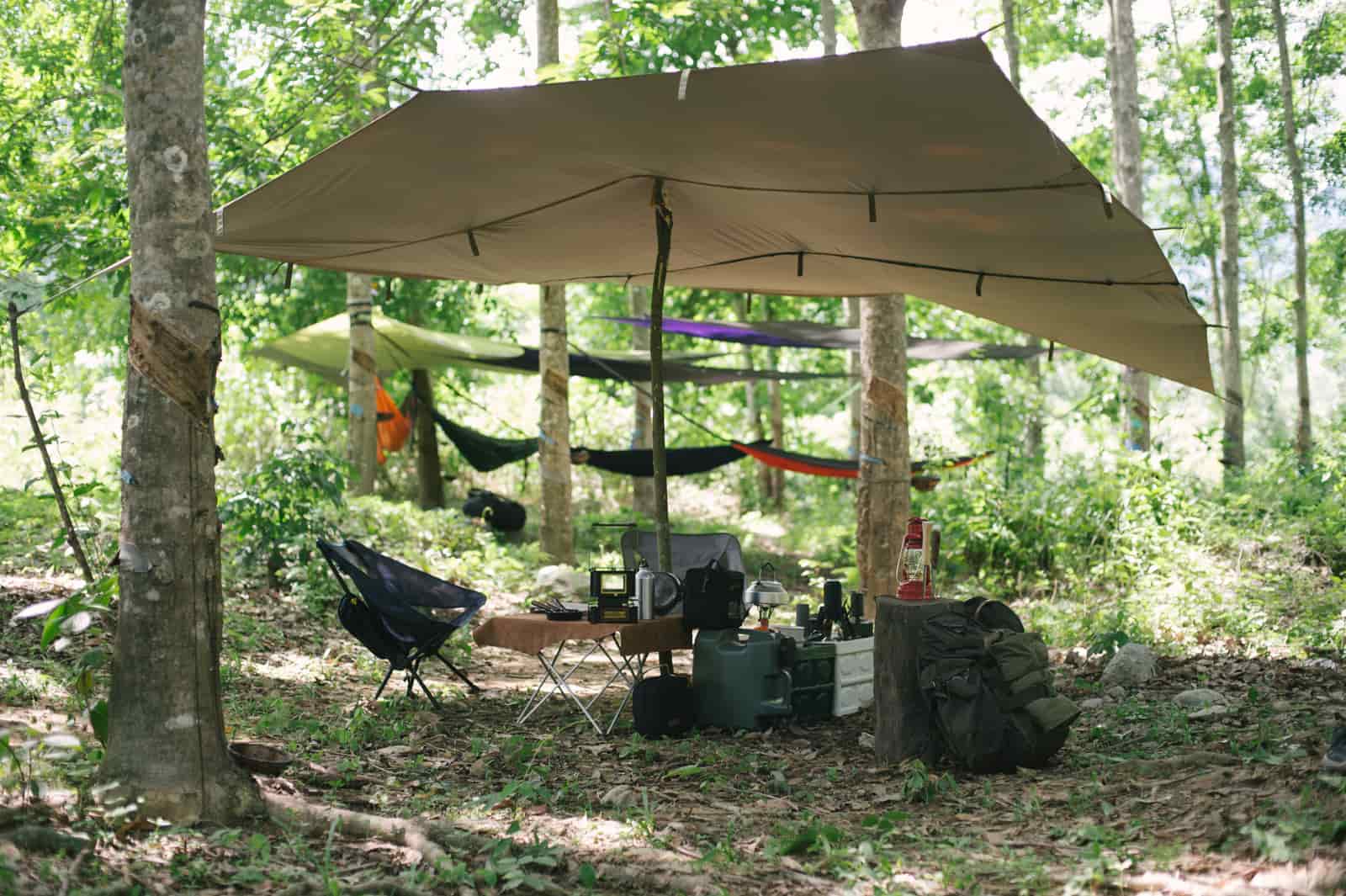
Comparison pages are usually where buying guides get vague — two columns of adjectives and a conclusion that says it depends. These do not work that way. Each one leads with a decision table of concrete factors, then says plainly who should buy which, including the cases where one option simply does not work.
Where a comparison has a clear technical winner, we say so. Steel versus wooden stands is the clearest example — steel wins on capacity, price, weather resistance and maintenance, and plenty of people should still buy timber because of how it looks in a planted garden. Both halves of that are true and a useful comparison says both.
The six comparisons
- [Hammock vs tent](/compare/hammock-vs-tent) — the decision that determines everything else you buy for camping.
- [Rope vs fabric](/compare/rope-vs-fabric-hammock) — airflow against padding, and the fork in the road on most hammock purchases.
- [Brazilian vs Mayan](/compare/brazilian-vs-mayan-hammock) — two handwoven styles that look similar and behave nothing alike.
- [Steel vs wooden stands](/compare/steel-vs-wooden-hammock-stand) — a clear technical winner and a real aesthetic case for the loser.
- [Hammock vs cot](/compare/hammock-vs-cot) — two ways off the ground, with the same cold-underneath problem.
- [Hammock vs swing](/compare/hammock-vs-swing) — a space question more than a comfort one.
What we compare on
Published specifications where they exist, and stated trade-offs where they do not. We do not compare on star ratings, review counts or scores, because we have not tested these products and a number we invented would be worse than no number. Where a publication with a genuine testing program has reached a conclusion, we name them and link them.
The comparison nobody else makes
Which hammock goes with which stand. It is the question buyers actually have and it falls between the two halves of every other site's coverage. A spreader-bar hammock needs a stand at least its overall length; a gathered-end hammock needs hanging height instead. Both are covered across this hub and in the stand size guide.
Camping decisions
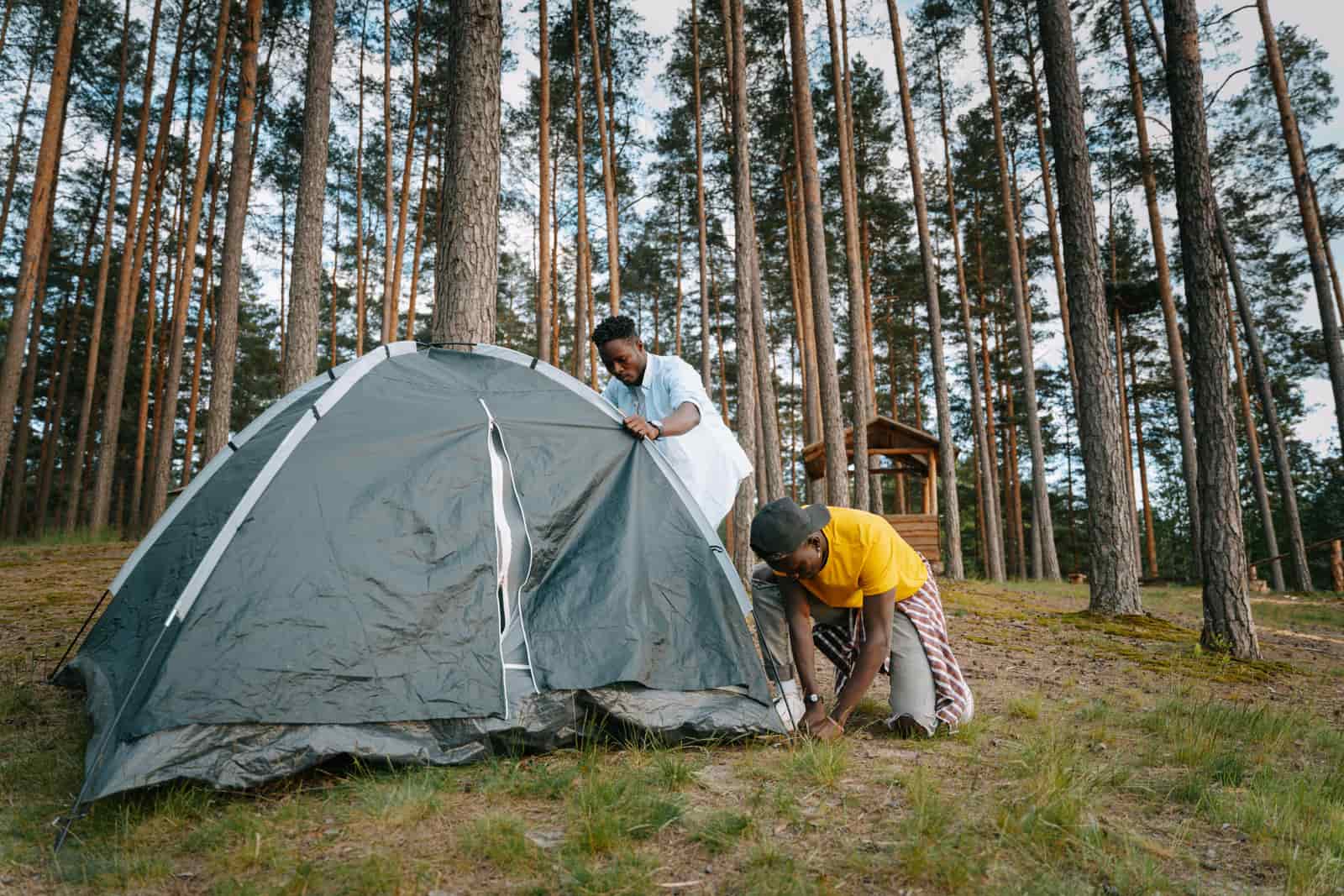
Hammock vs Tent Camping
Weight, setup, comfort, terrain, weather and cost compared — and where a hammock simply does not work.
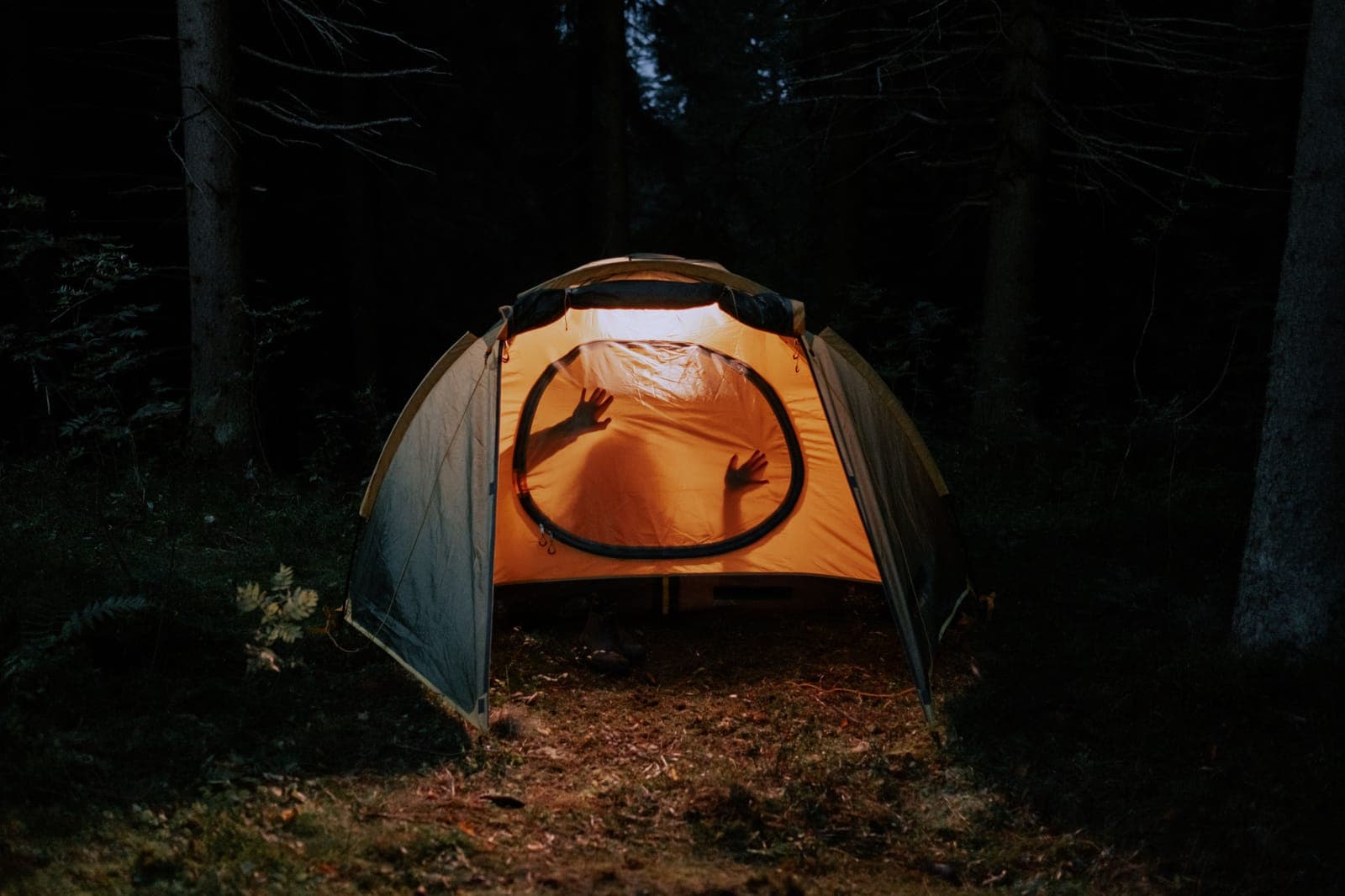
Hammock vs Camping Cot
Two ways off the ground — weight, terrain, insulation and where each one fails.
Hammock style decisions
Rope vs Fabric Hammocks
Airflow, skin marks, weather tolerance and stability — the fork in the road on most hammock purchases.
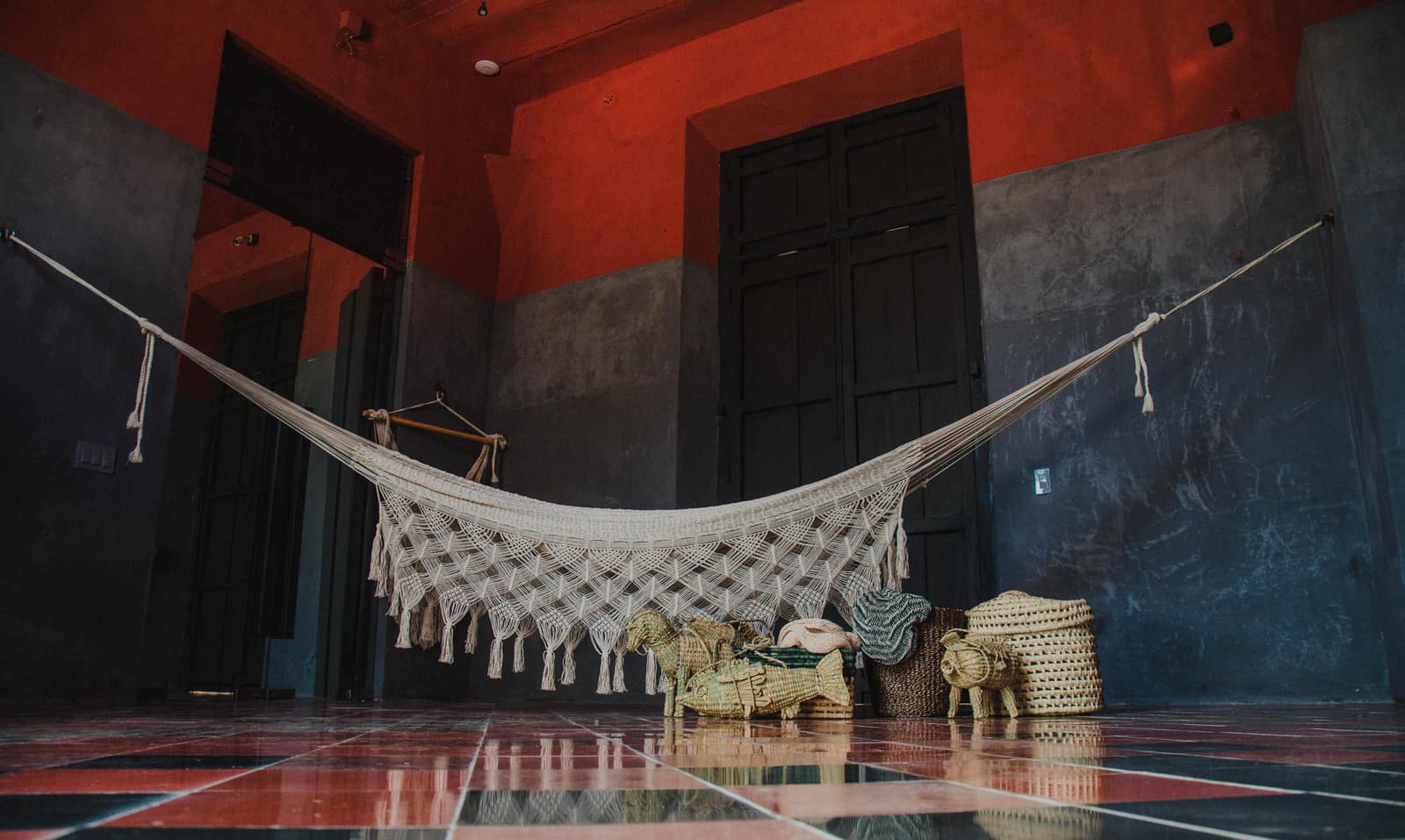
Brazilian vs Mayan Hammocks
Woven fabric versus diamond-weave cord — warmth, stretch, span and which suits sleeping.
Backyard decisions
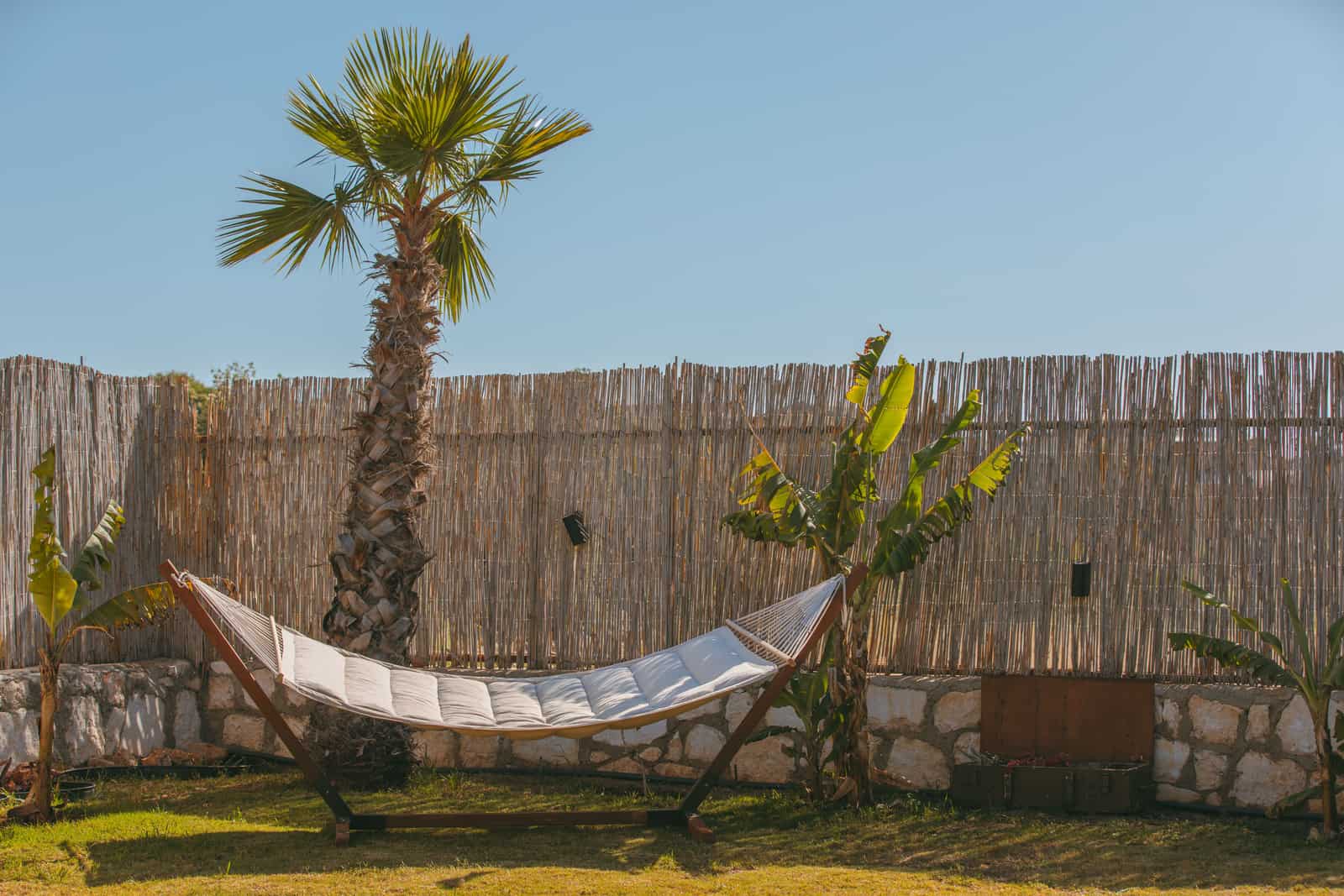
Steel vs Wooden Hammock Stands
Capacity, weather resistance, maintenance and looks — a clear technical winner and a real aesthetic case.

Hammock vs Garden Swing
Space, posture and purpose compared — a swing seats people, a hammock lays one down.
After you have decided
Each comparison links to both sides' category pages, because a comparison that only links one way is an advertisement. If you have landed on a hammock, go to the hammocks hub or camping hammocks depending on where it will hang. If you have landed on a stand, go to hammock stands.
And whichever way a comparison went, the guides hub has the reference numbers — span, angle, capacity and stand length — that turn a decision into a setup that works.
Common questions
Is a hammock better than a tent?
In trees and on bad ground, yes. Above the treeline, in cold weather, or with two people sharing one shelter, a tent is better. Terrain decides it more than any feature comparison.
Which hammock style is most comfortable?
It depends on climate and use. Rope and Mayan weaves move air, which matters in heat. Quilted hammocks are padded and lie flattest. For sleeping, a long gathered-end hammock on the diagonal beats both.
Steel or wooden hammock stand?
Steel on every measurable dimension — capacity, weather resistance, maintenance and price. Wood if the stand is a visible part of a planted garden and you will do the annual sealing.
#ad — buy links on this page are affiliate links. We show no prices; here is why.