Hammock Gear and Hanging Kits
Everything between the hammock and whatever holds it up, plus the things that make a hammock somewhere you can spend a night.
Knot & Nap is reader-supported. We earn from qualifying purchases as an Amazon Associate, at no extra cost to you. Commissions never decide what gets recommended — here is how we pick.
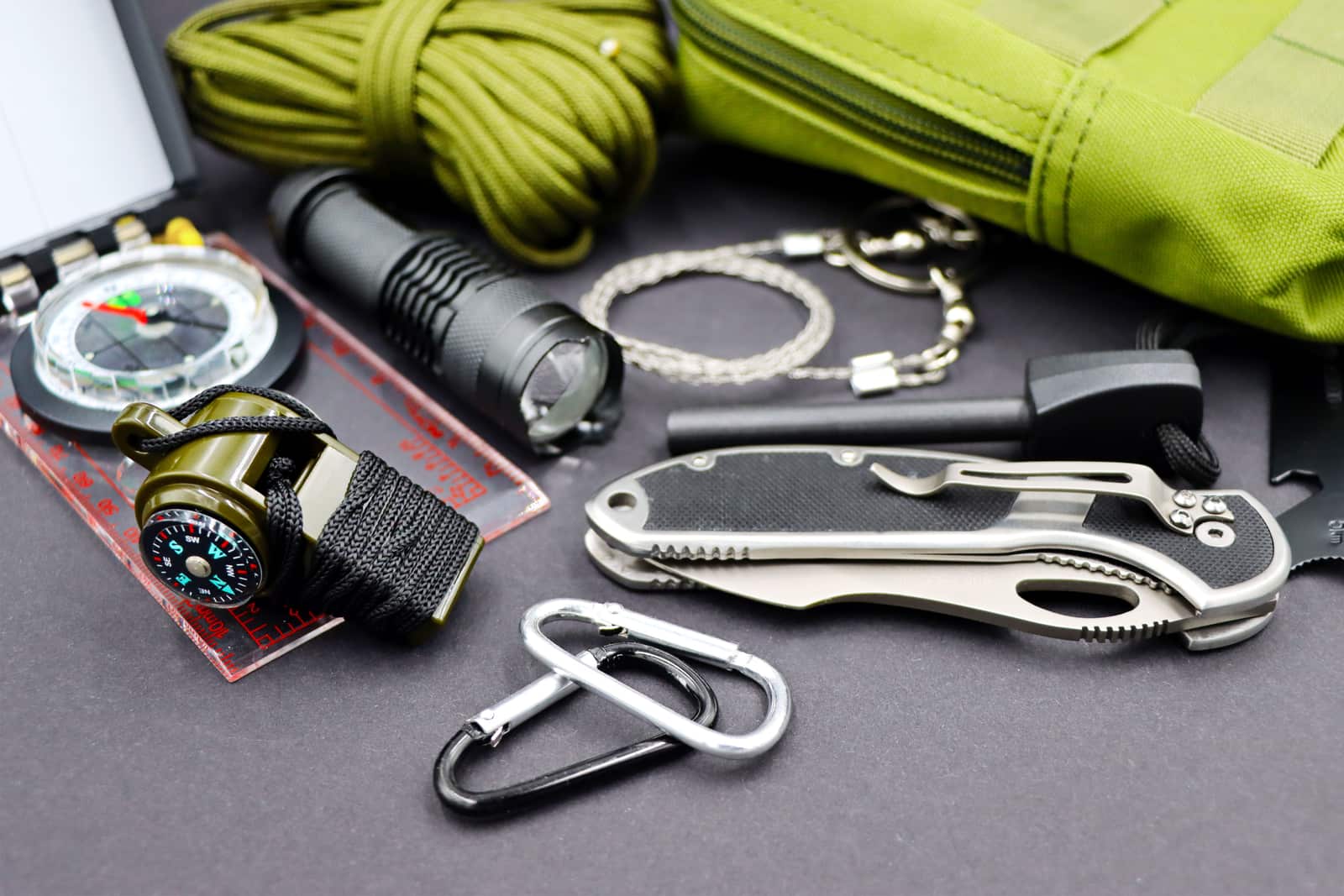
Hammock accessories get bought as afterthoughts and they should not be. The suspension is often the lowest-rated part of the whole setup, the tarp is the difference between a shelter and a hammock, and the underquilt is what makes hammock camping pleasant rather than something you endure once.
Every page in this hub compares published specifications rather than opinions, because in gear the numbers are available and they differ far more than people expect.
Suspension: the number that caps your setup
In the 2026 strap test we cite, published combined capacities run from 300 lb to 500 lb and weights from 1.55 oz to 12 oz. That is an enormous spread for a product most people never think about. If your hammock is rated 450 lb and your straps are rated 300 lb, your setup is a 300 lb setup.
Width matters separately from strength. Straps should be at least one inch wide, because thin rope concentrates load into the bark and over time can girdle a tree. That is why parks specify a minimum width rather than a minimum rating.
Tarps: width beats length
Length keeps rain off your head and feet. Width keeps wind-driven rain off your sides, and it is the dimension people under-buy. Fabric weight is where the trade sits — the same coverage comes in at 22 oz in 70D nylon and 18 oz in 30D silnylon, and a 20D silpoly four-season tarp with doors weighs 12.3 oz while covering more area than either.
Insulation: the piece that gets skipped
Your sleeping bag does nothing underneath you in a hammock — your weight crushes the insulation flat while air moves below. An underquilt hangs outside the hammock where it is not compressed. Published ratings from Onewind run from 45 to 70°F on summer models to 32 to 56°F on the down Solstice, so match the quilt to your season rather than assuming one covers the year.
Small things that punch above their weight
- A structural ridgeline at about 83% of the hammock's length makes your preferred sag reproducible every time, whatever the trees are doing.
- A pillow that attaches to the hammock, because a loose one is on the ground by 2 am.
- A bug net with a vertical zip door, which is far easier to manage in the dark than a bottom-entry design.
- A second tarp ridgeline, so you can pitch the tarp first in the rain and set up dry underneath it.
Suspension and hardware
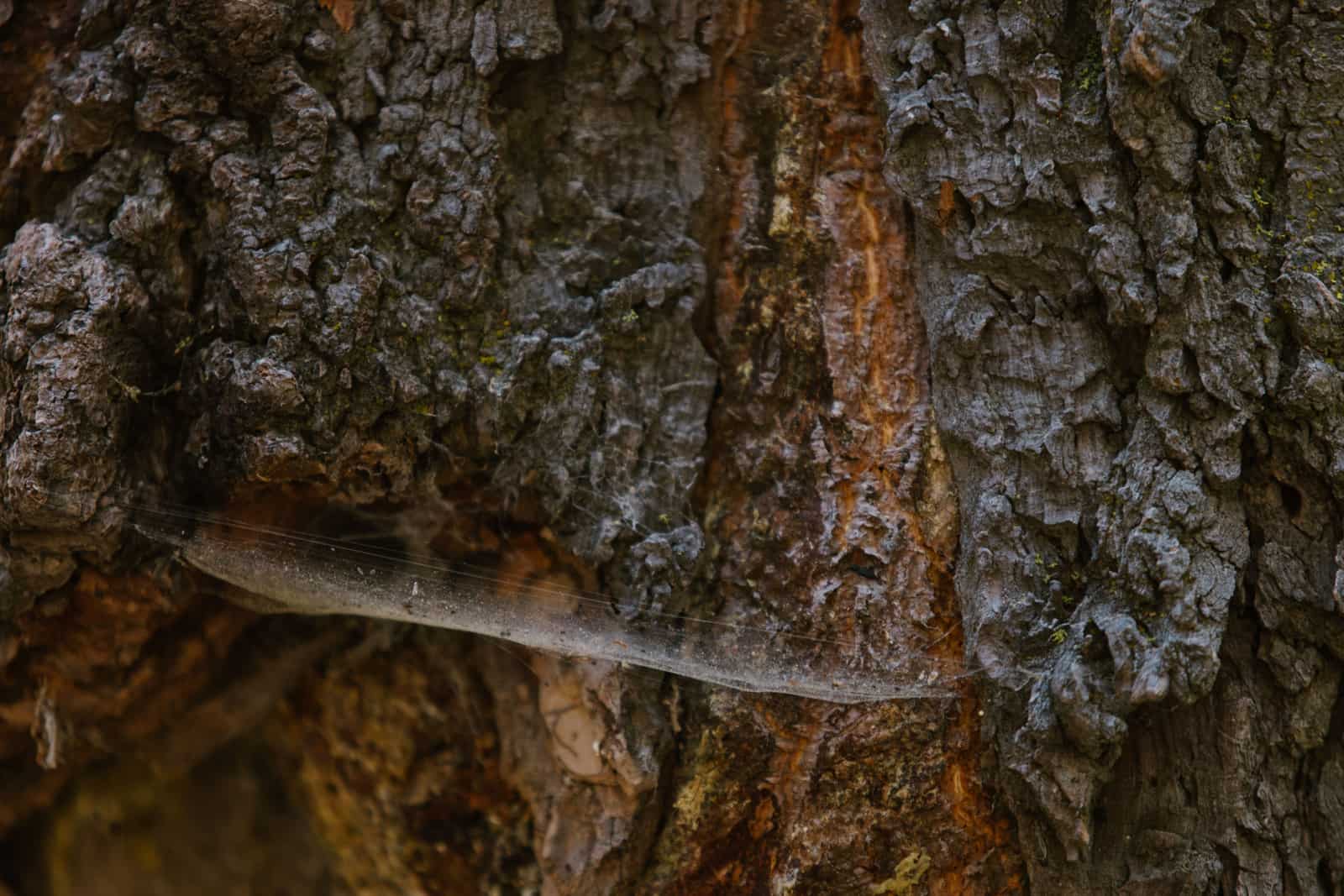
The Best Hammock Straps
Straps compared on published capacity, length, weight and attachment points — usually the weakest link.
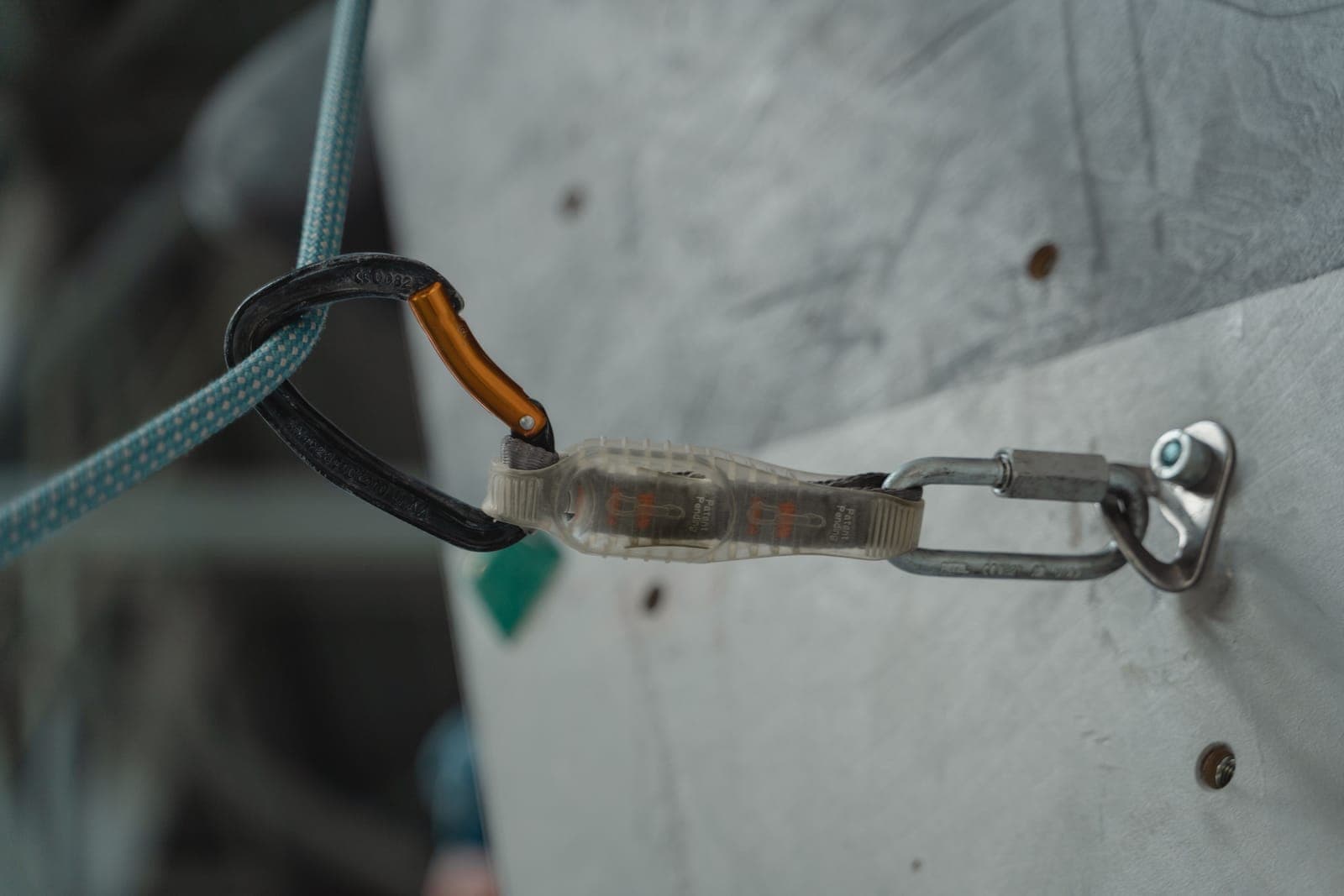
Hammock Hanging Kits and Hardware
Straps, slings, carabiners and structural hardware — matched to the anchor you actually have.

Hammock Ridgelines
What a structural ridgeline does, the 83% rule, and fixed versus adjustable.
Weather and insects
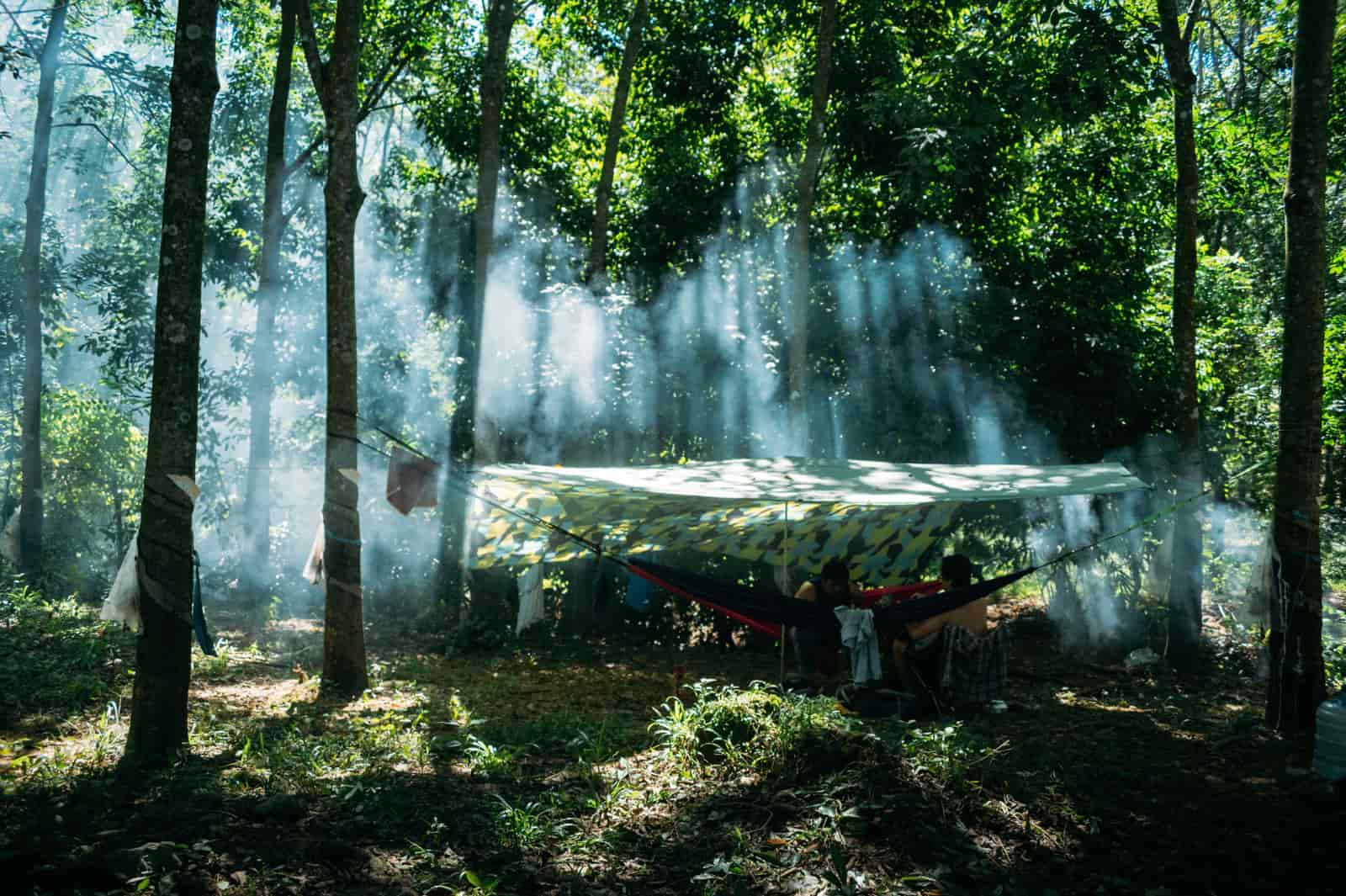
The Best Hammock Rain Flies
Tarps compared on coverage, weight and fabric — and why width matters more than length.

The Best Hammock Bug Nets
Integrated versus add-on bug nets, entry designs, and the compatibility exclusions that catch people out.
Comfort
The Best Hammock Underquilts
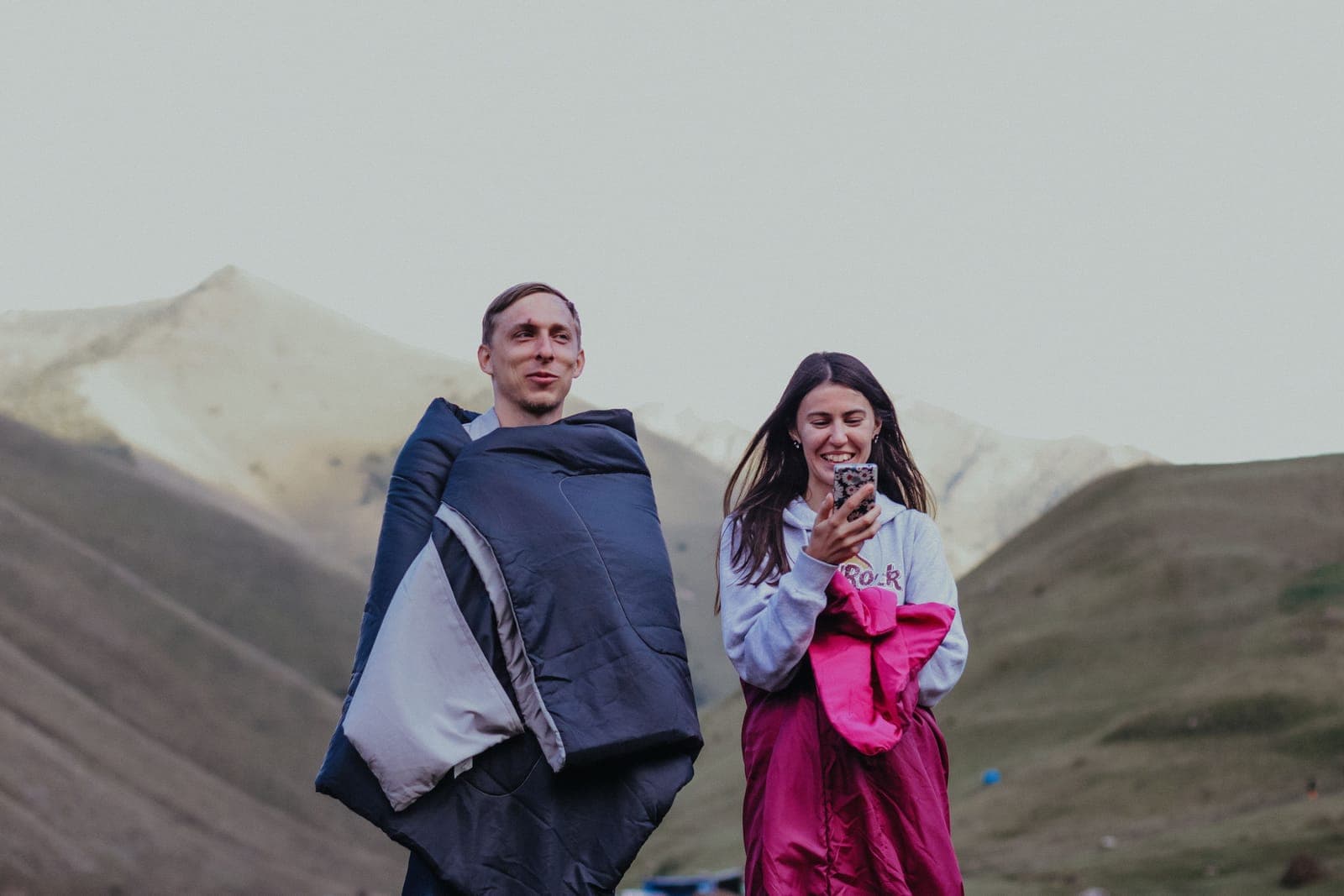
Underquilts by published temperature rating, and why your sleeping bag fails underneath you.

The Best Hammock Pillows
Why hammock pillows slide out, which designs stay put, and whether you need one at all.
Buying in the right order
Straps first. They are the part that touches the tree, they are frequently the lowest-rated component, and almost everyone is still using whatever came in the box. A 500 lb, 10-foot, 8.2 oz set of straps against a 400 lb, 9-foot, 9 oz set is a real difference you will notice on a thick trunk.
Then a tarp, because it is what makes a hammock a shelter. Then insulation, because cold is the thing people misdiagnose as discomfort. Then a bug net if your season needs one, and a ridgeline whenever you want your setup to stop being a guessing game.
If you have not chosen the hammock yet, start at camping hammocks for the trail or the hammocks hub for the yard. And if you are hanging from trees, read are hammocks bad for trees? first — it is two minutes and it is the difference between a hammock that harms a tree and one that does not.
Common questions
How wide should hammock straps be?
At least one inch. Narrower webbing and rope concentrate the load into the bark and can girdle a tree over time, which is why a growing number of parks require a minimum strap width.
Do I need an underquilt?
In anything cooler than a warm summer night, yes — or a sleeping pad inside the hammock. Your sleeping bag compresses flat beneath you and does nothing, so without insulation on the outside you will be cold.
What size tarp do I need?
Enough length to cover past the hammock's ends and enough width for wind-driven rain. Around 10 ft 6 in by 6 ft 4 in is a typical three-season size; a four-season tarp with doors is wider.
#ad — buy links on this page are affiliate links. We show no prices; here is why.