The Best Hammock Underquilts
Your sleeping bag does nothing underneath you in a hammock. An underquilt hangs outside the fabric, where it is not compressed, and that is the whole idea.
By Mike M. · Last updated
Knot & Nap is reader-supported. We earn from qualifying purchases as an Amazon Associate, at no extra cost to you. Commissions never decide what gets recommended — here is how we pick.
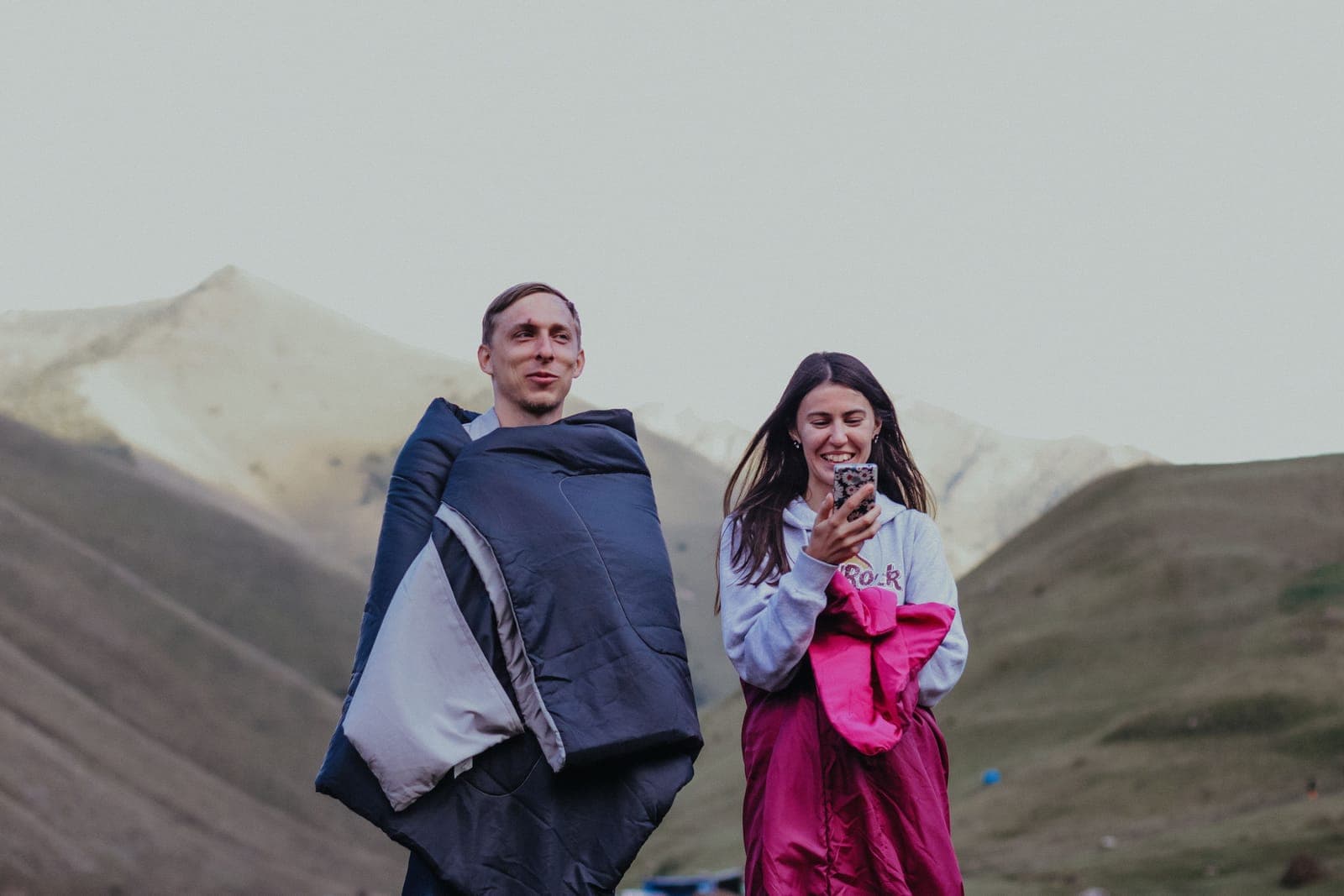
An underquilt hangs on the outside of the hammock so its insulation is not compressed by your body. Onewind publishes ratings from 45 to 70°F on its summer quilts and 32 to 56°F on the down Solstice. Match the rating to your season rather than assuming one quilt covers everything.
Part of our hammock gear hub. This is the piece of gear that most often separates people who enjoy hammock camping from people who tried it once.
Why a sleeping bag fails in a hammock
Insulation works by trapping air. Your body weight crushes the insulation beneath you flat, so it traps nothing. In a tent this barely matters because you are lying on a foam or inflatable pad that does the insulating instead. In a hammock there is no pad by default, just a single layer of nylon with moving air underneath it.
The result is the classic hammock camping surprise: a cold back at temperatures where you would have been perfectly comfortable in a tent. It is not the air temperature, it is the lack of insulation at the one point where you need it most.
Quick picks
Tap any row to jump to the full write-up. Prices are not shown anywhere on this site — we link straight to Amazon so you see the live figure.
| # | Product | Best for | Headline spec | Price |
|---|---|---|---|---|
| 1 | Onewind Solstice Down Hammock UnderquiltA down underquilt rated 32°F to 56°F — the warm end of Onewind's range and the one for shoulder-season nights. | Cold nights | Down insulation | |
| 2 | Onewind Hammock UnderquiltOnewind's standard underquilt range, rated 35–50°F and 45–70°F depending on the model you pick. | Three-season warmth | Temperature ratings from 35°F to 50°F (2°C to 10°C) and 45°F to 70°F (7°C to 21°C) depending on model |
#ad — the buy links above are affiliate links. See our affiliate disclosure.
1. Cold nights
Onewind Solstice Down Hammock Underquilt
A down underquilt rated 32°F to 56°F — the warm end of Onewind's range and the one for shoulder-season nights.
Specifications
- Down insulation
- Rated 32°F to 56°F (0°C to 15°C)
Source: onewindoutdoors.com product page, 2026. We publish specs we can attribute and leave the rest blank rather than assuming a typical value.
What it does well
- Down packs smaller than synthetic for the same warmth
- A published temperature rating, which not every underquilt has
Where it falls short
- Down loses loft when wet, which matters under a hammock
- Costs more than synthetic
Illustrative photograph of the category, not this exact product.
2. Three-season warmth
Onewind Hammock Underquilt
Onewind's standard underquilt range, rated 35–50°F and 45–70°F depending on the model you pick.
Specifications
- Temperature ratings from 35°F to 50°F (2°C to 10°C) and 45°F to 70°F (7°C to 21°C) depending on model
Source: onewindoutdoors.com, 2026. We publish specs we can attribute and leave the rest blank rather than assuming a typical value.
What it does well
- Two rating bands means you can match the quilt to your actual season
- Underquilts beat sleeping pads for hammock insulation
Where it falls short
- You have to read carefully to buy the right band
- Fill weight is not published per model
Illustrative photograph of the category, not this exact product.
Matching a quilt to a season
| Quilt | Published rating | Insulation | Suits |
|---|---|---|---|
| Onewind Solstice Down | 32°F to 56°F (0°C to 15°C) | Down | Shoulder seasons and cold nights |
| Onewind standard (cooler band) | 35°F to 50°F (2°C to 10°C) | Varies by model | Spring and autumn |
| Onewind standard (warm band) | 45°F to 70°F (7°C to 21°C) | Varies by model | Summer |
Down or synthetic?
- Down packs smaller and is warmer per ounce. It loses loft when wet, which matters under a hammock where condensation collects.
- Synthetic is bulkier and heavier for the same warmth, and keeps insulating damp. In a wet climate that is a real argument.
- Either way, fit matters more than fill. A quilt with a gap at the shoulder or the knee will feel colder than its rating regardless of what is inside it.
The pad alternative
A closed-cell foam pad or an inflatable pad inside the hammock does the same job for much less money. It is the standard budget answer and it works. What it is not is comfortable — pads slide, they crinkle, and they fight the hammock's shape all night.
Most people start with a pad and move to an underquilt within a season or two. If you already know you will hammock camp regularly, buying the quilt first saves you the intermediate step.
A note on what we can tell you
Underquilt fill weights and baffle construction are not consistently published across brands, so we have not compared them. What we can compare is published temperature ratings, and those are what we have used. Where a figure is not published we leave it out rather than estimating — see how we pick.
Common questions
Do I need an underquilt for hammock camping?
You need insulation underneath you in any conditions cooler than a warm summer night. An underquilt is the most comfortable way to provide it; a sleeping pad inside the hammock is the cheaper way. Doing nothing is the way people end up cold at 45°F.
What temperature underquilt do I need?
Match it to the lowest temperature you expect. Onewind's summer quilts are published at 45 to 70°F and the down Solstice at 32 to 56°F, which gives you a sense of the bands available. Ratings are guides, and individual tolerance varies a lot.
Can I use a sleeping bag instead?
Not underneath you. Your body compresses the insulation flat, so it traps no air and does nothing. A sleeping bag still works as a top quilt — the problem is specific to the side you are lying on.
Underquilt or sleeping pad?
An underquilt is more comfortable and does not slide around; a pad is cheaper and doubles as ground insulation if you end up sleeping on the ground. Most people start with a pad and move to a quilt.
Sources
Every specification on this page traces to one of these. Where a recommendation rests on another publication's hands-on testing, we name it — we do not run a test lab.
Read next
Spotted something we got wrong? Tell us — corrections are part of our editorial policy.