Types of Hammock Stands
Seven stand types, what each is actually for, and the one question that narrows the list to two.
By Mike M. · Last updated
Knot & Nap is reader-supported. We earn from qualifying purchases as an Amazon Associate, at no extra cost to you. Commissions never decide what gets recommended — here is how we pick.
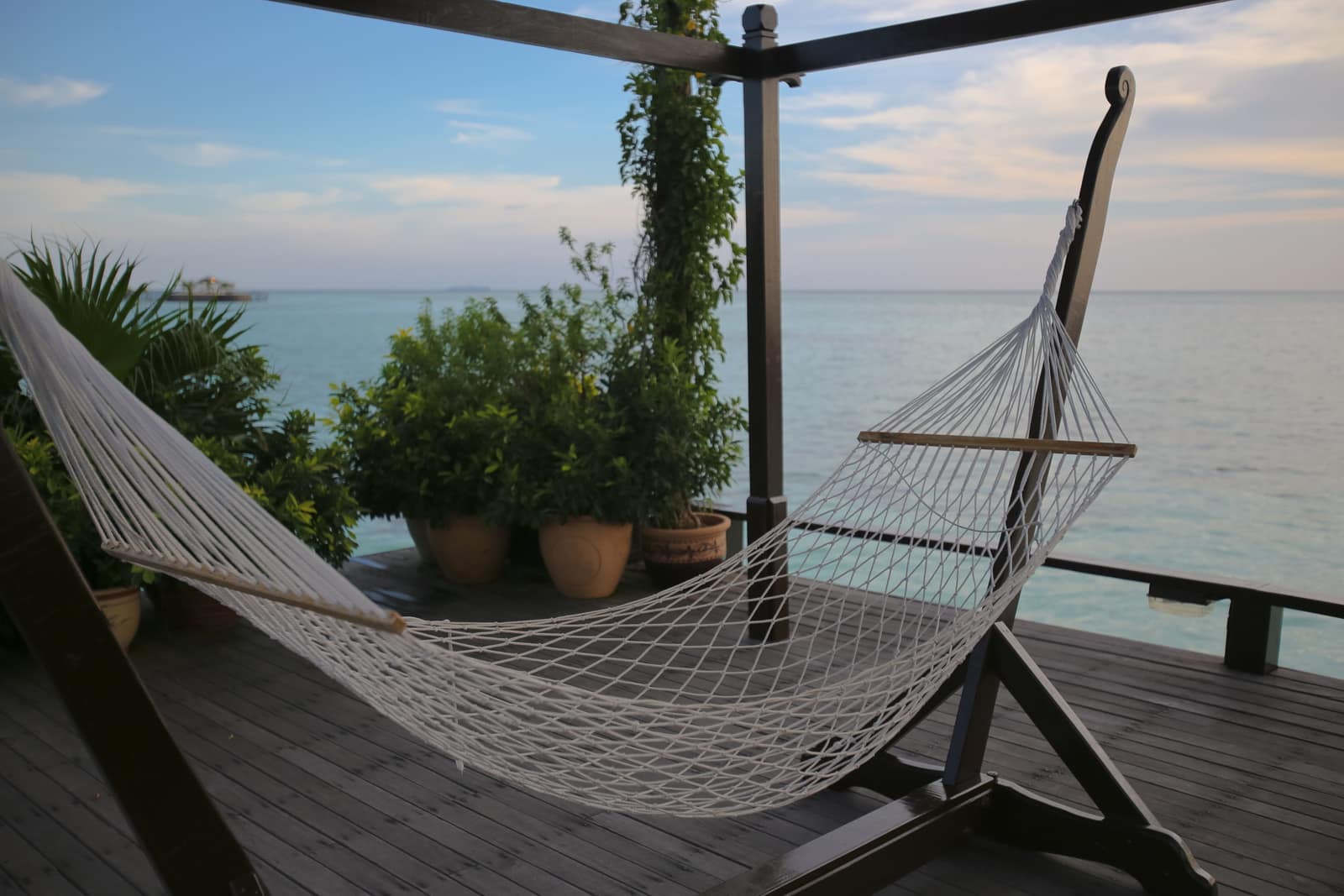
Hammock stands come in seven types: steel arc, steel C-frame, wooden arc, adjustable universal, portable folding, chair stands, and wall or post hanging kits. The choice narrows fast once you answer one question — does the stand need to move?
This is the reference page for our hammock stands hub. Read it before the roundups; it will tell you which roundup you actually need.
The seven types
- Steel arc stand. The curved frame most people picture. Stable, widely available, usually the best capacity-per-dollar. Ships at fixed lengths — commonly 9, 12 and 15 feet.
- Steel C-frame / space-saving stand. A single upright with an arm, so the hammock hangs from one side. Takes far less floor area and is usually lower-rated. Common indoors and for hammock chairs.
- Wooden arc stand. The same geometry in timber. Looks like furniture, needs sealing, and wants winter storage. See wooden hammock stands.
- Adjustable universal stand. Length and often height adjust, so one frame fits several hammock sizes and both spreader-bar and gathered-end styles. The most flexible option — see are hammock stands universal?
- Portable folding stand. Breaks down for a car trunk. Trades capacity for packability. Covered in portable hammock stands.
- Chair stand. A single upright for a hanging chair rather than a full hammock. Different geometry and much lower span; not interchangeable with a hammock stand.
- Wall, ceiling or post hanging kits. Not a stand at all — hardware that turns your structure into the anchor. See hammock hanging kits.
Quick picks
Tap any row to jump to the full write-up. Prices are not shown anywhere on this site — we link straight to Amazon so you see the live figure.
| # | Product | Best for | Headline spec | Price |
|---|---|---|---|---|
| 1 | 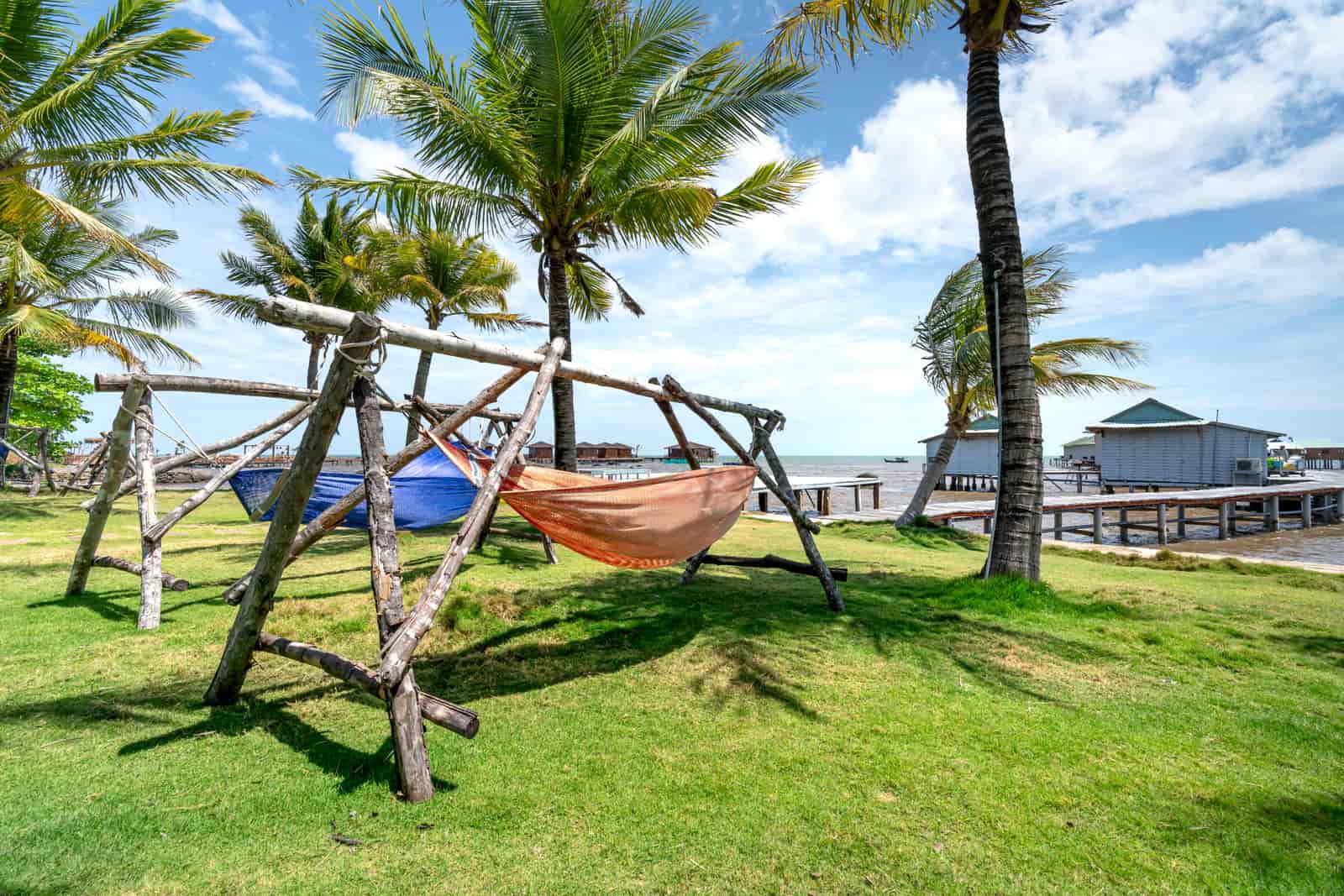 Sunnydaze Universal Hammock StandUniversal fit, powder-coated steel and a 550 lb rating — the stand most people should buy when the hammock came without one. | Best overall stand | Universal compatibility | |
| 2 | 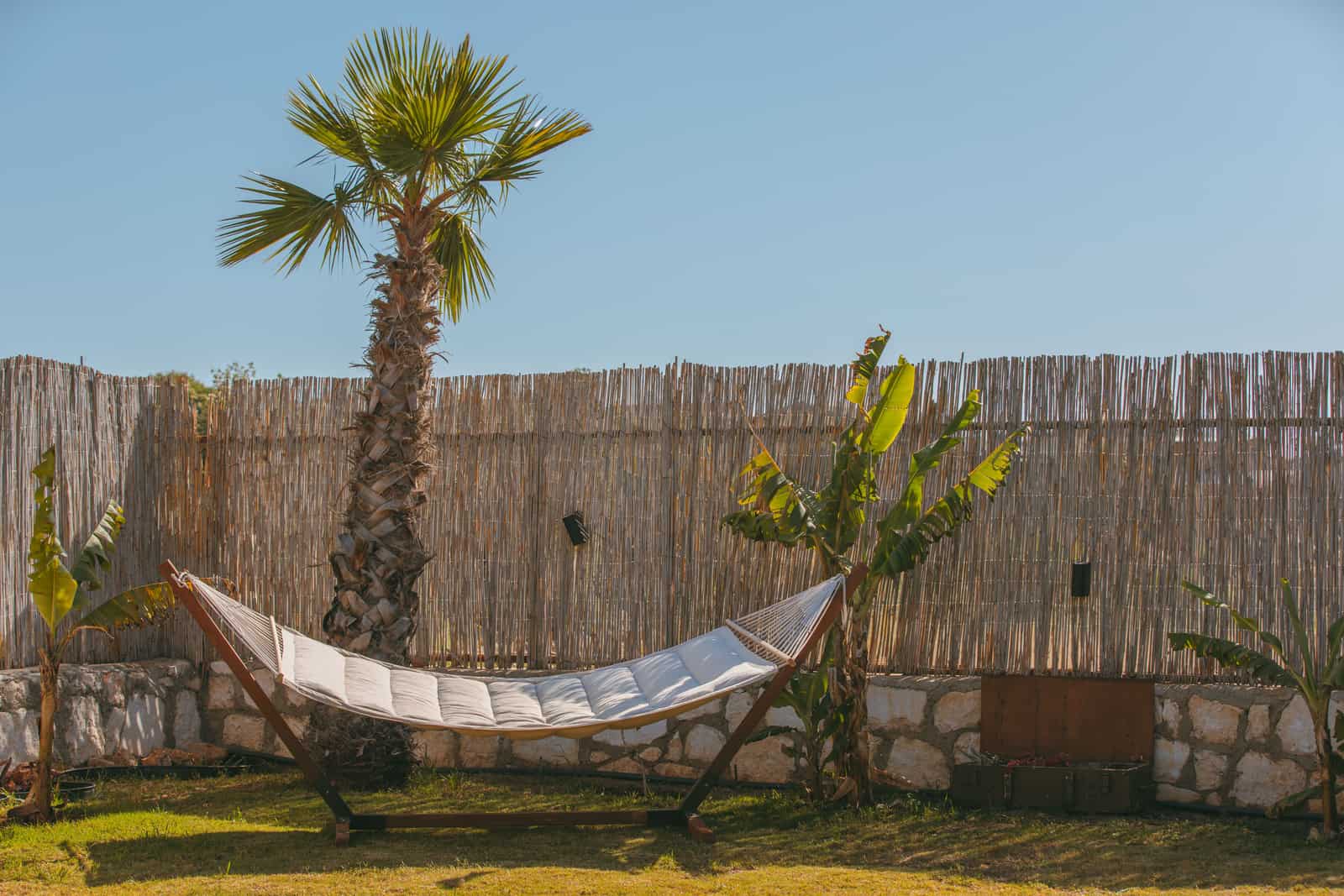 Petra Leisure Wooden Hammock StandA wooden stationary frame — the option when the stand has to look like furniture rather than scaffolding. | Wooden, stationary | Wooden | |
| 3 |  ENO Nomad Hammock StandSix adjustment points and 15 lb of frame — it earns its place on adjustability, not strength. | Uneven ground | Six adjustment points | |
| 4 |  Tranquillo 600 lb 2-Person Adjustable Hammock Stand600 lb, adjustable and collapsible — the rare stand that does not trade capacity for portability. | Heavy-duty and still portable | 600 lb capacity |
#ad — the buy links above are affiliate links. See our affiliate disclosure.
Which type for which job
| If you... | Buy this type | Why |
|---|---|---|
| Have a fixed spot in the garden | Steel arc | Best capacity and stability for the money |
| Want it to look like furniture | Wooden arc | Reads as part of the garden, not equipment |
| Might change hammocks later | Adjustable universal | One frame covers several lengths and both styles |
| Need to move it or travel | Portable folding | Packs down; accept the lower rating |
| Have uneven ground | Adjustable with independent legs | Only real fix for a slope — see uneven ground |
| Are indoors and short on space | C-frame | Smallest footprint; check the ceiling height |
| Have a beam, a wall or two posts | Hanging kit | Cheapest by far when the structure is already there |
Length is the specification that decides everything
Whatever the type, a stand has a working length and a hammock has an overall length, and the first must be at least the second for a spreader-bar hammock. Nine-foot stands are the most commonly sold and the most commonly regretted, because they exclude every 12- and 13-foot hammock. Our stand size guide has the table.
Material, summarized
- Powder-coated steel — the default. Resists rust and humidity well, per the SUNCREAT durability guide, and offers the best capacity for the price.
- Zinc-coated steel — similar protection with a different finish; the Vivere set uses it.
- Stainless steel — the most corrosion-resistant and the least common at consumer prices.
- Timber — beautiful, heavy, and it needs sealing and storage to last.
- Aluminum — light, used on portable frames, and lower-rated for the same tube size.
Common questions
What are the different types of hammock stands?
Seven: steel arc, steel C-frame, wooden arc, adjustable universal, portable folding, chair stands, and wall or post hanging kits. The first four are the ones most garden buyers choose between.
Which type of hammock stand is most stable?
A fixed steel arc stand on flat ground, because it has the widest footprint and the fewest joints. Portable and adjustable stands are stable within their ratings but have more moving parts, and C-frames concentrate the load on one side.
Are hammock chair stands the same as hammock stands?
No. A chair stand supports a single hanging point over a short span; a hammock stand supports two points across 9 to 15 feet. They are not interchangeable in either direction.
Do I need a stand at all?
Only if you have no suitable anchors. If you have trees 12 to 17 feet apart, or a solid beam, or two sound posts, a hanging kit and a pair of straps will cost a fraction of a stand. See how to hang a hammock.
Sources
Every specification on this page traces to one of these. Where a recommendation rests on another publication's hands-on testing, we name it — we do not run a test lab.
Read next
Spotted something we got wrong? Tell us — corrections are part of our editorial policy.