Hammocks, Style by Style
Five families of hammock, each answering a different question. Start here and you will know which one you are actually shopping for.
Knot & Nap is reader-supported. We earn from qualifying purchases as an Amazon Associate, at no extra cost to you. Commissions never decide what gets recommended — here is how we pick.
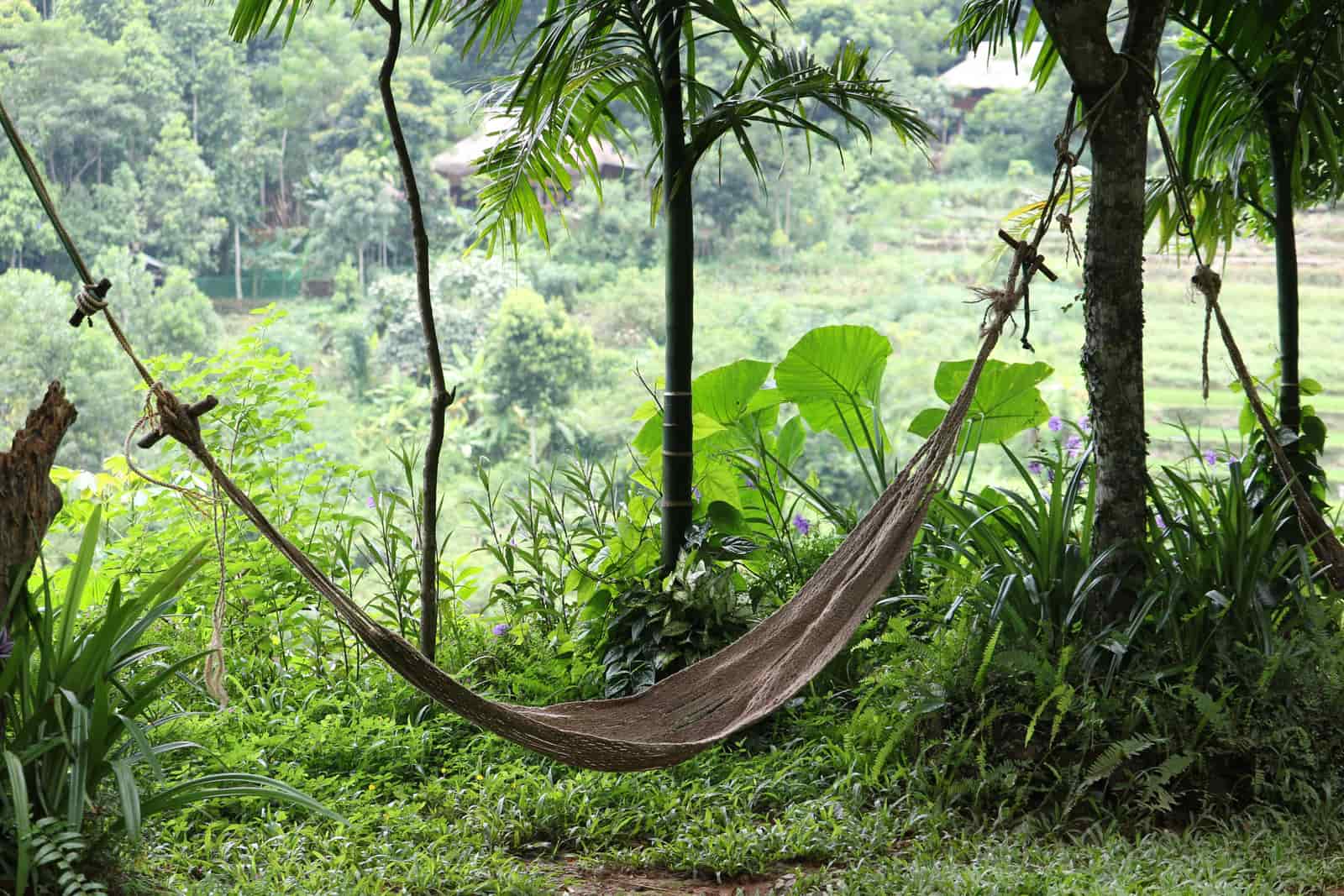
Most hammock buying goes wrong in the same place: people compare products before they have chosen a family. A quilted spreader-bar hammock and a Mayan diamond weave are not two answers to the same question. They lie differently, they weather differently, and — the part that costs money — they need completely different things to hang from.
So this hub is organized by style rather than by score. Work out which family suits where the hammock will live and how you will use it, and the product choice inside that family is straightforward.
The five families
- Rope. An open woven net between spreader bars. Air moves through it, which makes it the traditional choice in heat. Cotton is softest; synthetic rope such as DURACORD is what survives outdoors.
- Quilted and spreader bar. Two layers of fabric with batting between them, held open flat. The most padded, most bed-like option, and the one that most needs drying before storage.
- Brazilian. Tightly woven cotton with fringed edges and no spreader bar. Hangs in a deep curve, wraps around you, and is very hard to fall out of.
- Mayan. An open diamond-weave cord lattice from the Yucatán that spreads under load. The flattest lie of any traditional hammock, and the traditional sleeping construction.
- Camping nylon. Gathered-end nylon that packs to nothing. Covered in its own camping hammocks hub.
The question that decides it
Where will it hang, and from what? If you have trees 12 to 17 feet apart, nearly anything works. If you are buying a stand, the hammock's overall length — including chains — sets the minimum stand length, and a spreader-bar hammock cannot be compressed to fit a shorter one. A 13-foot rope hammock does not fit a 9-foot stand, and that single mismatch is the most common expensive mistake in this category.
Gathered-end hammocks are more forgiving on length and less forgiving on height, because the bed drops well below the line between the ends. Our hammock stand size guide has the table for both cases.
Fabric decides whether it lives outside
Polyester and nylon resist moisture and dry quickly, and polyester is not prone to mold, moisture damage or fading. Cotton absorbs water, stretches while damp and can mildew. That distinction matters more than the weave: a cotton rope hammock and a cotton Brazilian hammock have exactly the same weather problem.
If the hammock will live outdoors uncovered, buy synthetic. If it has a covered porch to live on, cotton is softer and more pleasant and you should buy it. See can you leave a hammock outside?
Capacity is a system property
Published hammock capacities here run from 275 lb to 600 lb, and the low figures are almost always sets — the stand, not the bed, sets the ceiling. Algoma sells a 500 lb quilted hammock and a 275 lb quilted hammock-and-stand set, which is the clearest illustration of the rule we have found. Your real limit is the lowest-rated part of the chain: bed, suspension, anchor, hardware. See hammock weight limits.
Start here
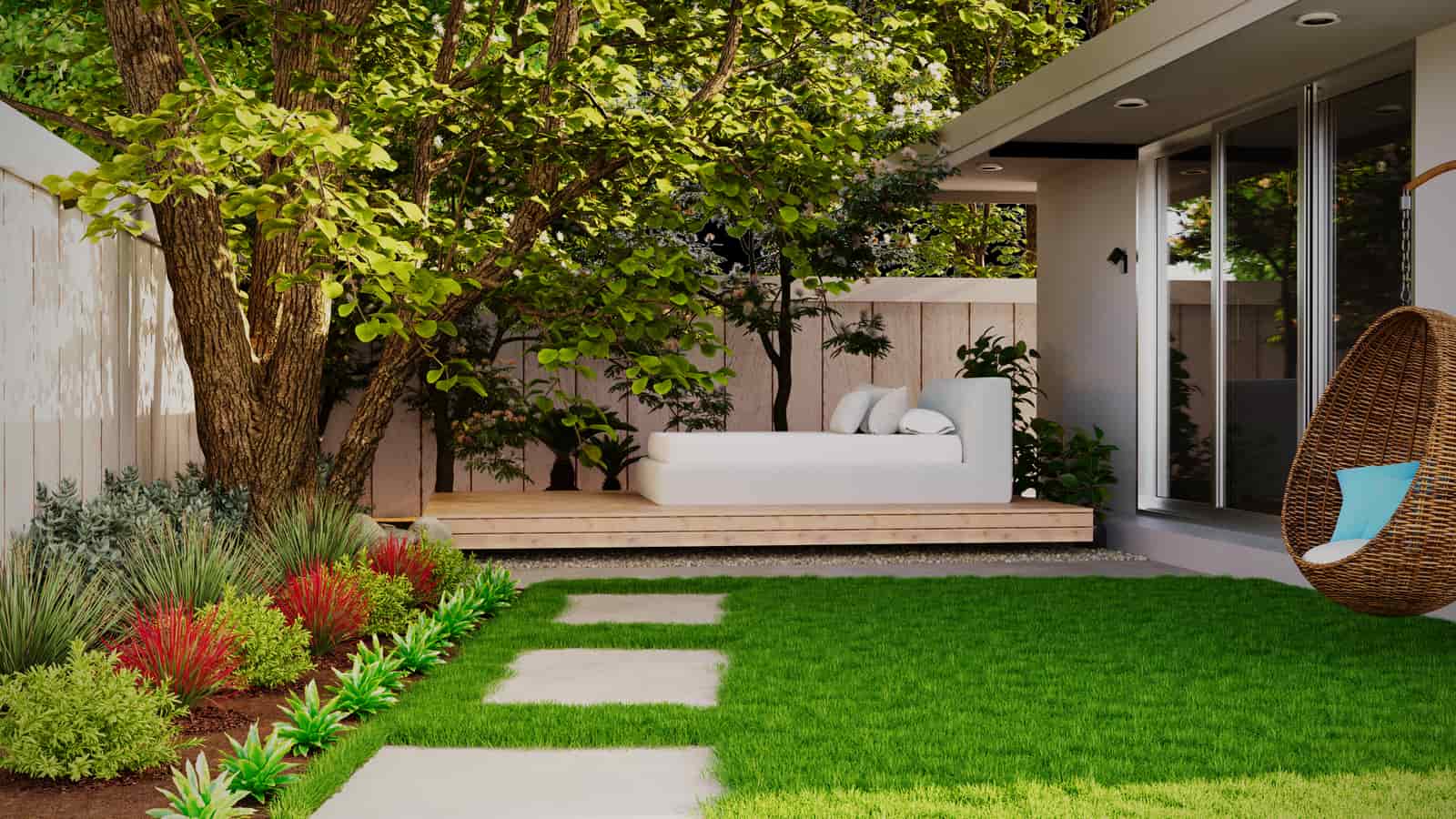
The Best Hammocks, Style by Style
Every hammock style compared — rope, quilted, Brazilian, Mayan and camping nylon — with the stand each one needs.
The Best Backyard Hammocks
Backyard hammocks chosen on weather tolerance, bed size and the stand span each one needs.
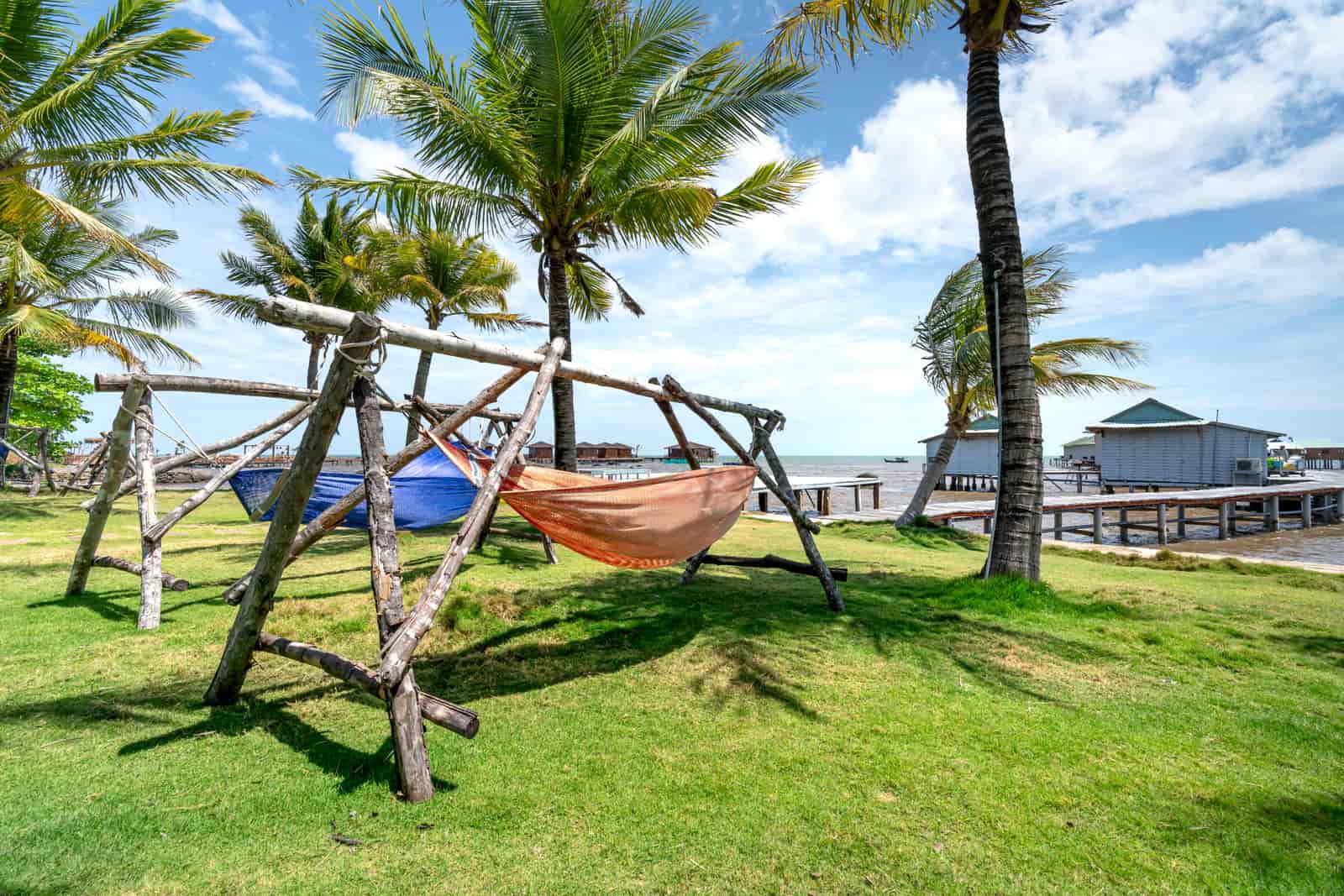
The Best Hammocks with Stands
Hammock and stand sets compared on published capacity, stand length and assembly time.
By style
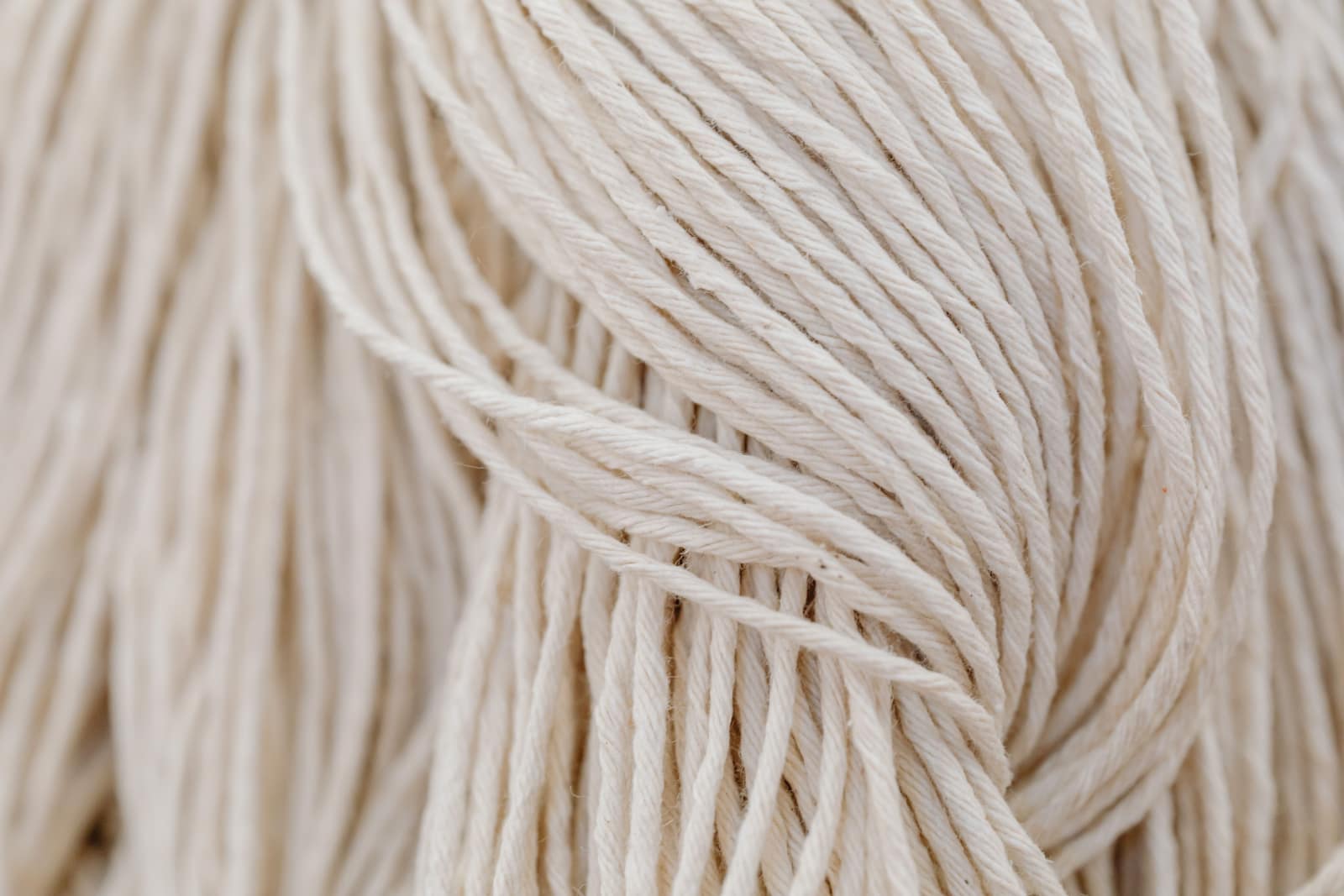
Rope Hammocks: Cotton, Synthetic, and Which One You Want
Cotton versus synthetic rope, spreader bars, span requirements, and the stands rope hammocks need.
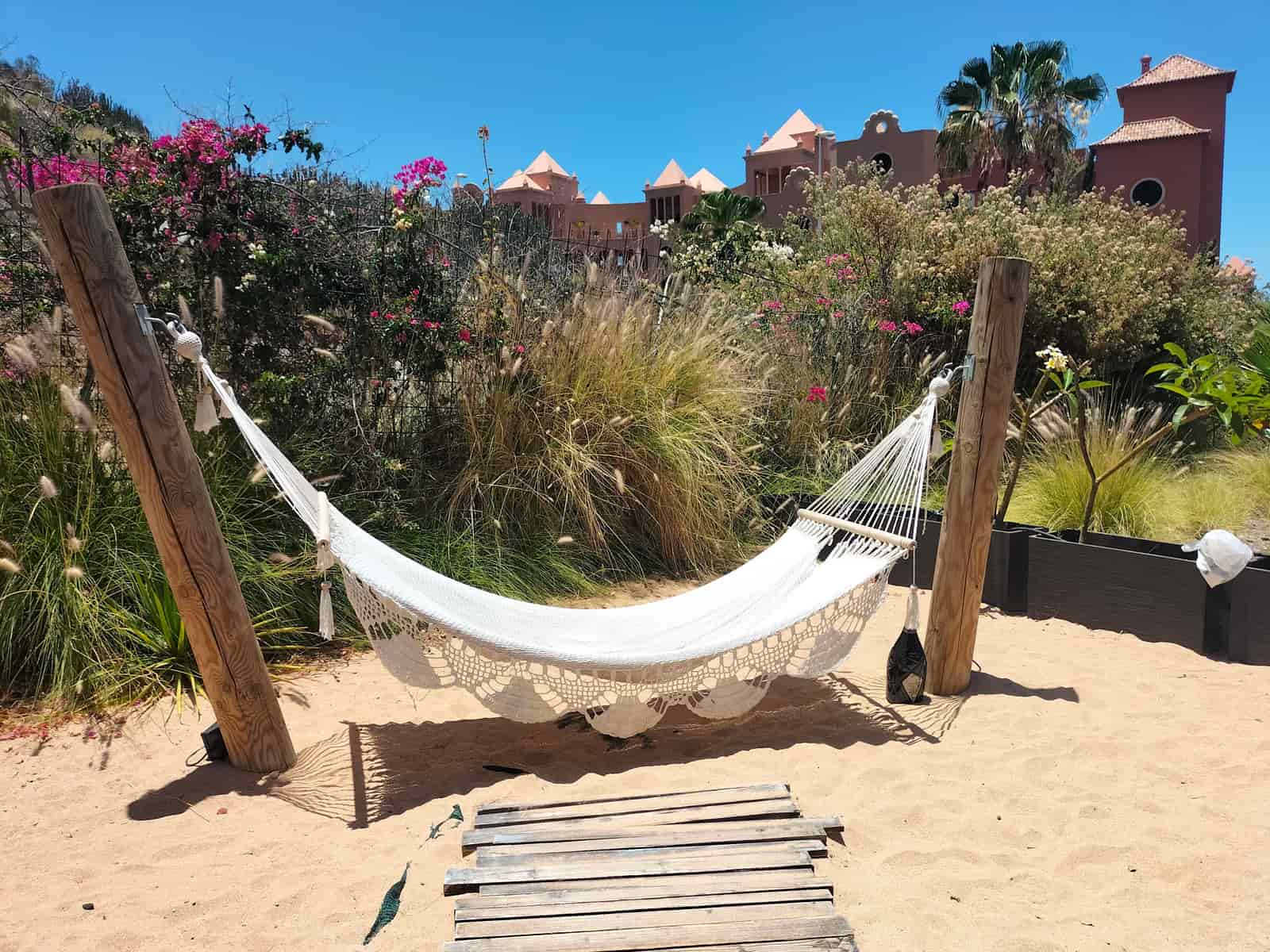
Quilted Hammocks
The padded, flattest-lying hammock style — bed sizes, capacities, and the drying rule that decides its lifespan.

Brazilian Hammocks
Tight-woven cotton, gathered ends, deep curve — what a Brazilian hammock is and what it needs to hang from.
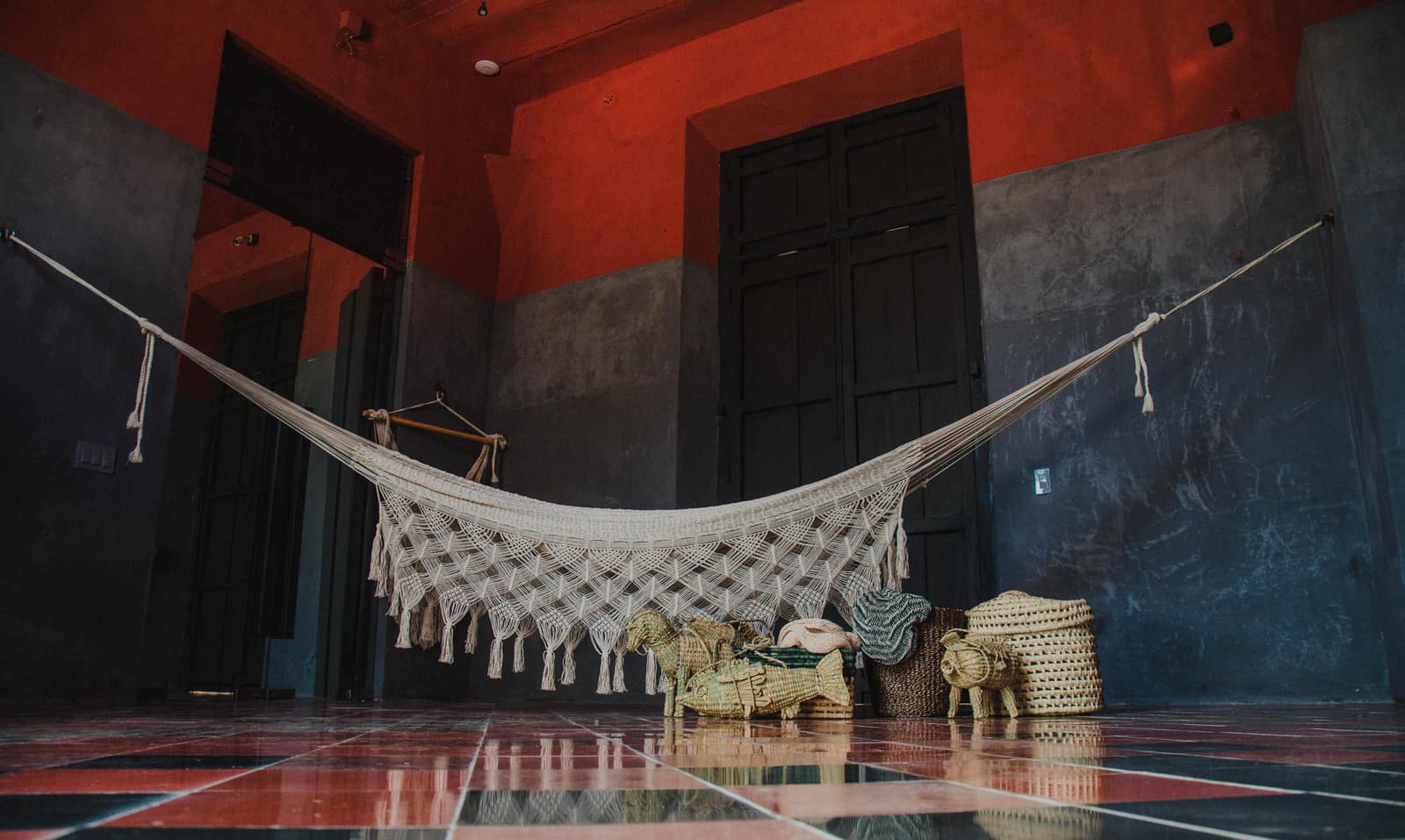
Mayan Hammocks
The Yucatán diamond weave, why it spreads under load, and the span a Mayan hammock really needs.
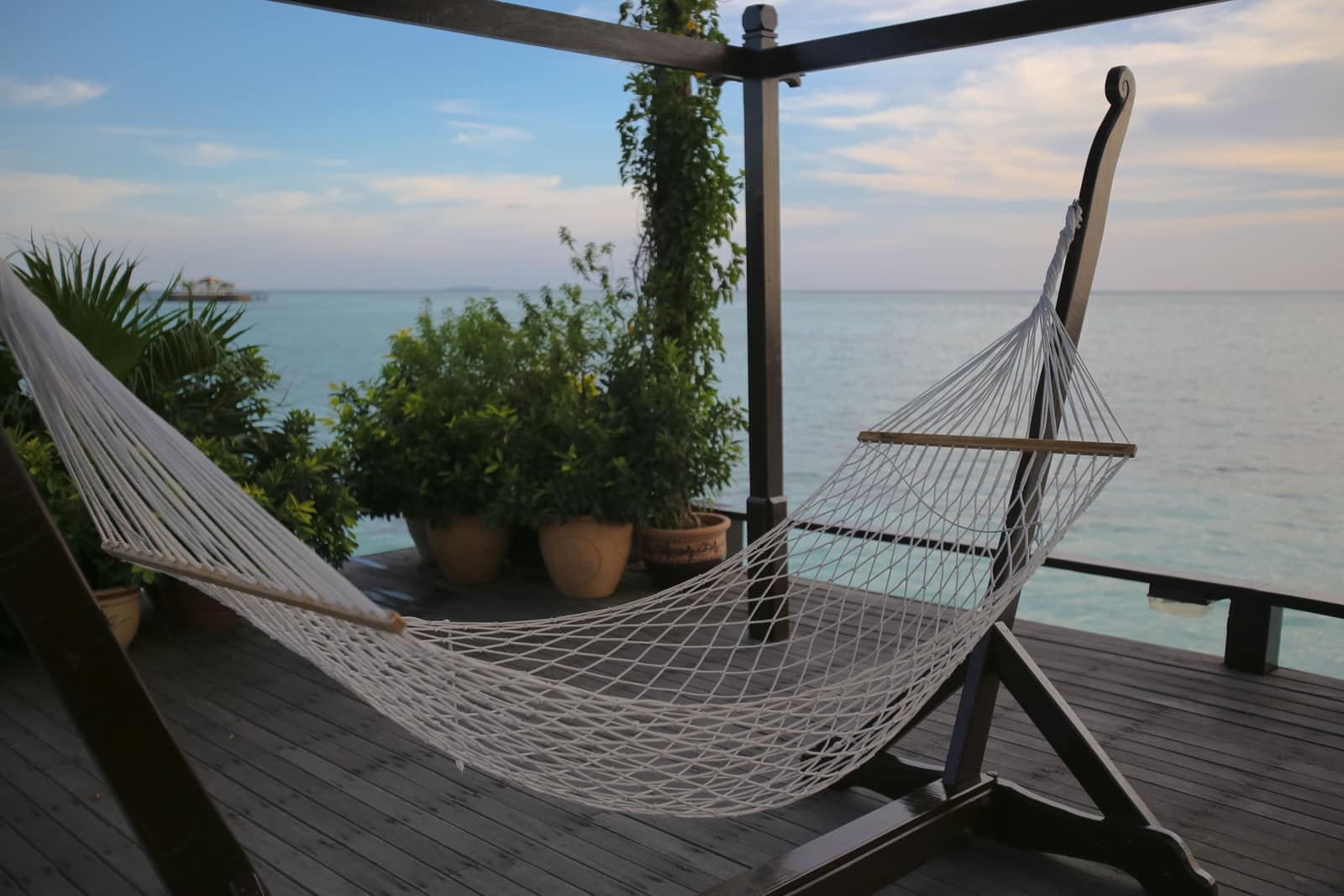
Spreader Bar Hammocks
What the bar does to lay, stability and stand length — and when a gathered-end hammock is the better call.
By requirement
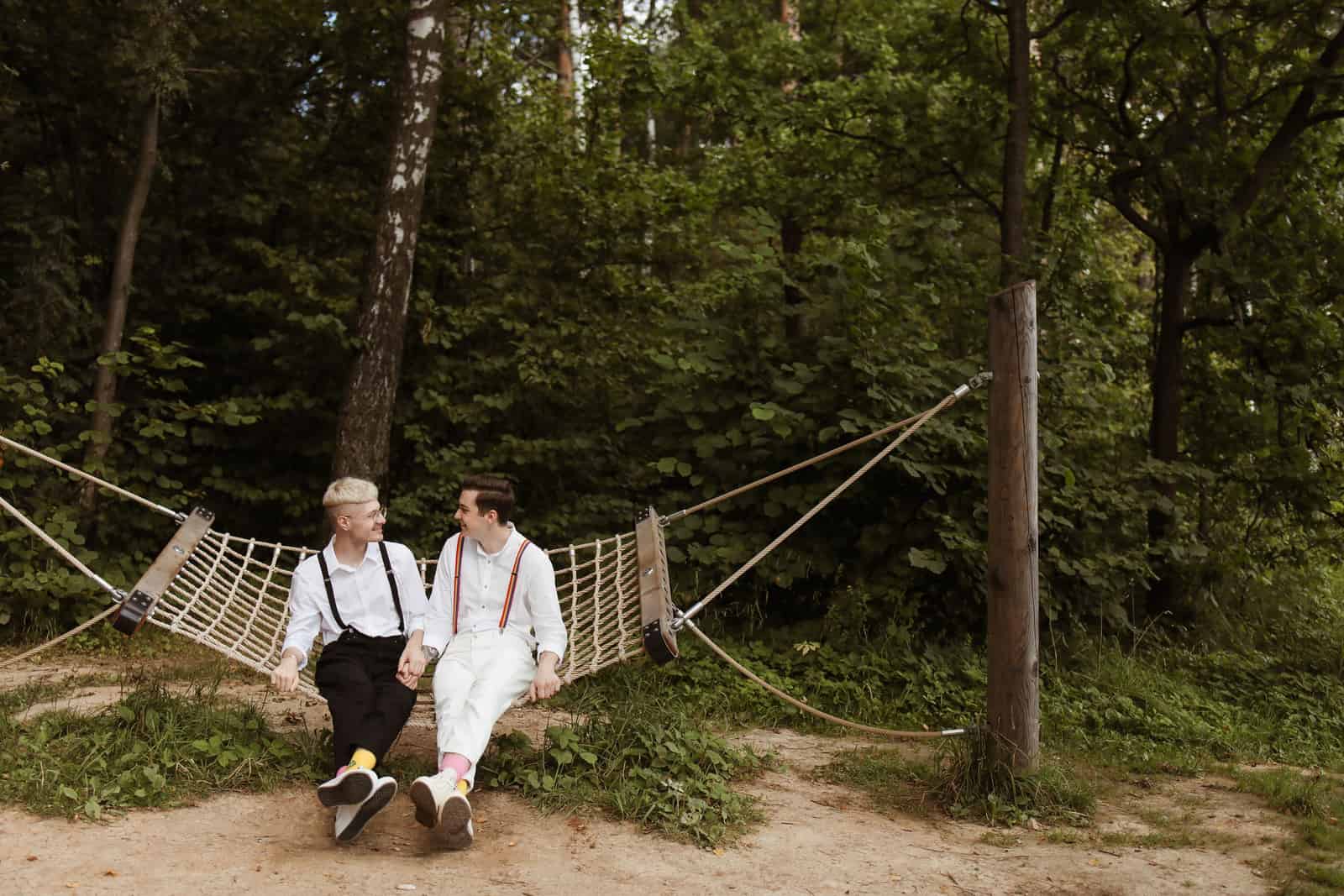
The Best Double Hammocks
Doubles that genuinely take two adults, and how to spot the ones that do not.
The Best Heavy-Duty Hammocks
Hammocks and sets with published 500 to 600 lb capacities, and why the stand usually sets the real limit.
Hammocks You Can Actually Leave Outside
The fabrics and frames that genuinely tolerate being left outdoors, and the ones that do not.
Once you have chosen a hammock
The other half of the purchase is the anchor, and it is the half that decides your real weight limit and whether the hammock fits your space at all. If you have no trees, start at hammock stands — the types of hammock stands page will tell you which family you need in about two minutes.
If you do have trees, you need straps at least an inch wide. Thin rope cuts into bark and can girdle a tree over time, which is why a growing number of parks require a minimum width. Our best hammock straps page compares the published capacities, lengths and weights side by side.
And when it is up, hang it properly: anchors 12 to 17 feet apart, roughly a 30-degree suspension angle, 16 to 19 inches of clearance, and lie diagonally rather than along the center line. That last point is free and makes more difference to comfort than any product on this hub. Full detail in how to hang a hammock.
Common questions
What type of hammock is most comfortable?
In heat, a rope or Mayan weave, for the airflow. In mild weather, a quilted hammock, for the padding. For sleeping, a long gathered-end hammock used on the diagonal. Comfort depends more on how you hang it than which one you buy.
What size hammock should I buy?
For lounging, roughly two feet longer than your height, which puts most adults at 12 to 13 feet. For sleeping, longer is better because it gives you more diagonal. Check your span or your stand length before deciding.
Do I need a stand?
Only if you have no suitable anchors. Trees 12 to 17 feet apart give a better hang than any stand. A stand is the answer for a treeless yard, or when you want to move the hammock around.
#ad — buy links on this page are affiliate links. We show no prices; here is why.