Camping Hammocks
The hammock is about a third of the purchase. The straps, the tarp and the insulation are the rest, and skipping the last one is why first nights go badly.
Knot & Nap is reader-supported. We earn from qualifying purchases as an Amazon Associate, at no extra cost to you. Commissions never decide what gets recommended — here is how we pick.
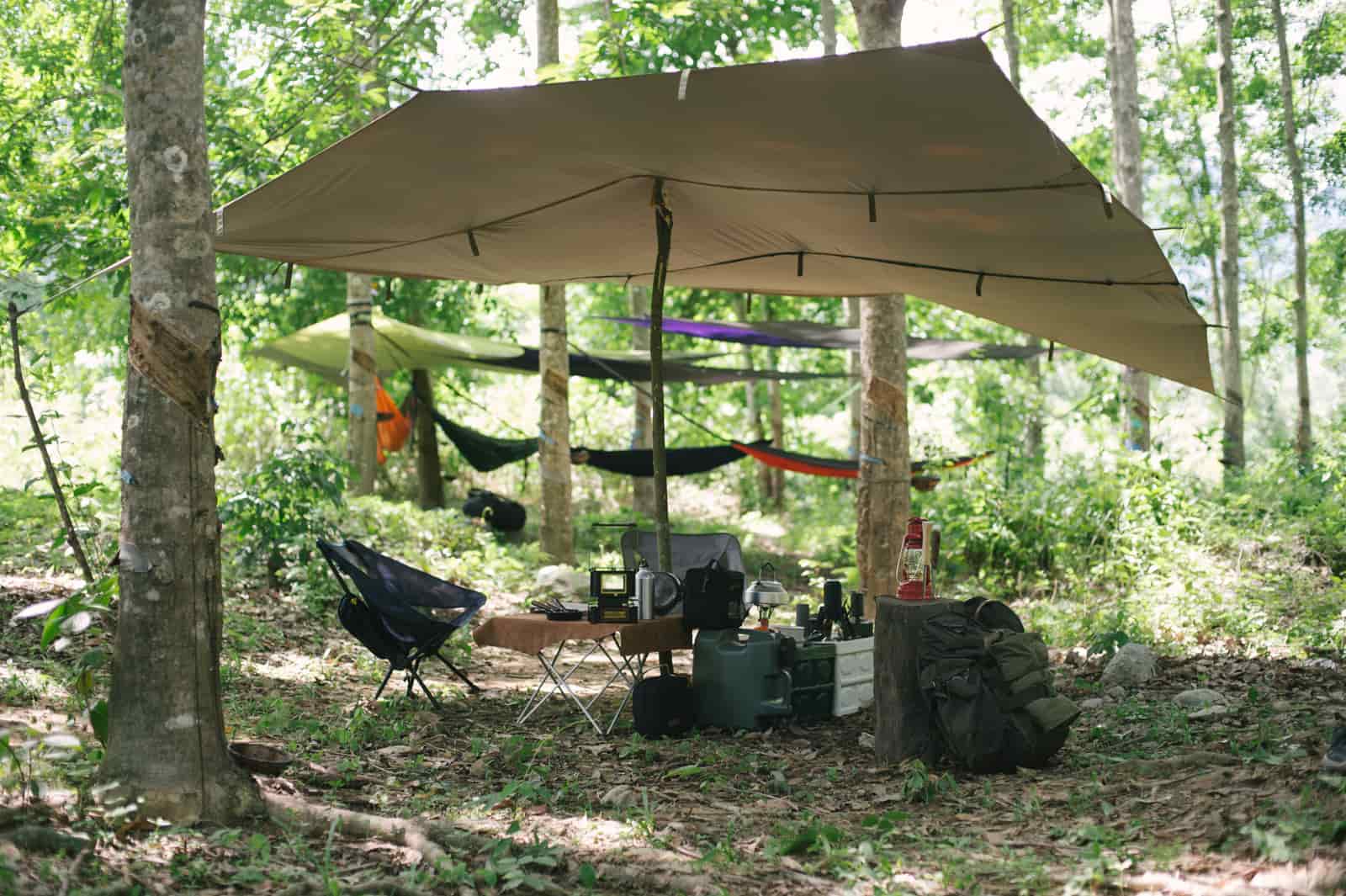
Camping hammocks are gathered-end nylon hammocks that pack down to nothing. They are a completely different family from the backyard hammocks in our style guide — different comfort model, different failure mode, different accessories.
The most useful thing we can tell you before you spend anything: a camping hammock on its own is not a shelter. It is one component of a five-part system, and the parts that are missing from the box are the ones that decide whether you enjoy the night.
The five pieces
- The hammock. Gathered-end, double width if you can, so you can lie diagonally.
- Straps. At least an inch wide, because thin suspension damages bark and many sites require a minimum width. Published capacities run from 300 lb to 500 lb, so match them to your load.
- A bug net. Some hammocks include one; most do not. A hammock leaves you exposed on every side.
- A tarp. This is what makes it a shelter. Width matters more than length, because wind-driven rain is the kind that gets you wet.
- Insulation underneath. The piece beginners skip, and the reason so many first nights are cold.
Why you get cold, and what fixes it
In a hammock your sleeping bag's insulation is crushed flat beneath you and traps no air, while air moves freely under the fabric. People routinely get cold in a hammock at temperatures where a tent and a pad would have been fine. It is not the weather — it is the physics of lying on a single layer of nylon in moving air.
The fix is insulation on the outside of the hammock. Onewind publishes underquilt ratings from 45 to 70°F on its summer models down to 32 to 56°F on the down Solstice, which gives you a sense of matching a quilt to a season. A closed-cell foam pad inside the hammock is the budget version and works, less comfortably.
Learn the diagonal
Lying along the center line of a gathered-end hammock folds your body into the curve. Lying across it at an angle draws fabric from a wider section, which flattens under you considerably. This is the single most important hammock skill, it costs nothing, and almost nobody tells beginners about it.
What a hammock is genuinely better at
Bad ground. A slope, a root field, a rock shelf, a bog — a hammock does not care about any of it, and a tent cares about all of it. It is also off the wet ground entirely in rain, which is a different experience from a good groundsheet. Where a hammock loses is treeless sites and cold weather, and our hammock vs tent comparison works through both honestly.
Start here
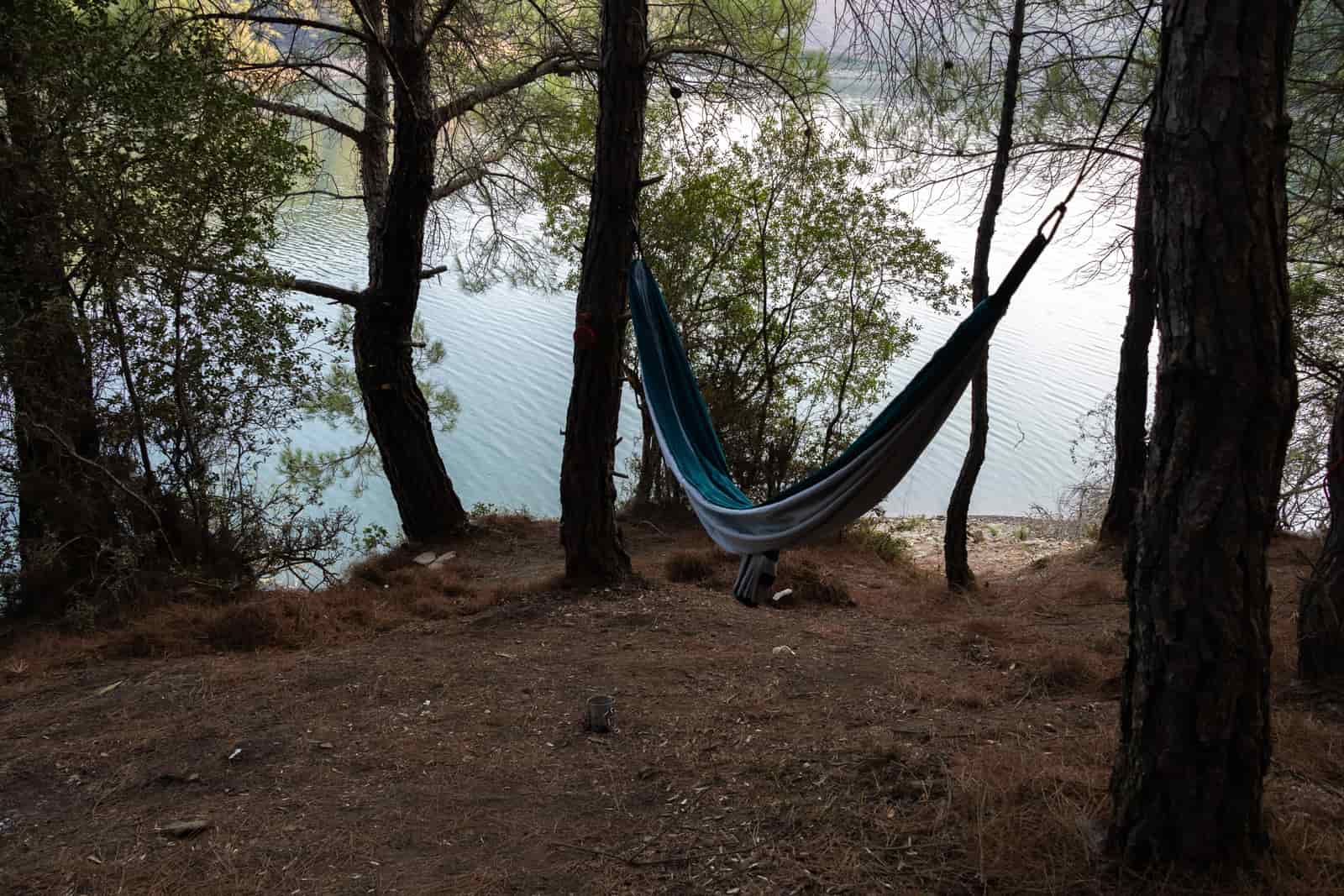
The Best Camping Hammocks
Camping hammocks compared, plus the straps, tarp and insulation the hammock alone does not cover.
Hammock Camping for Beginners
The five pieces of a hammock camping setup, in the order to buy them, and the mistake everyone makes once.
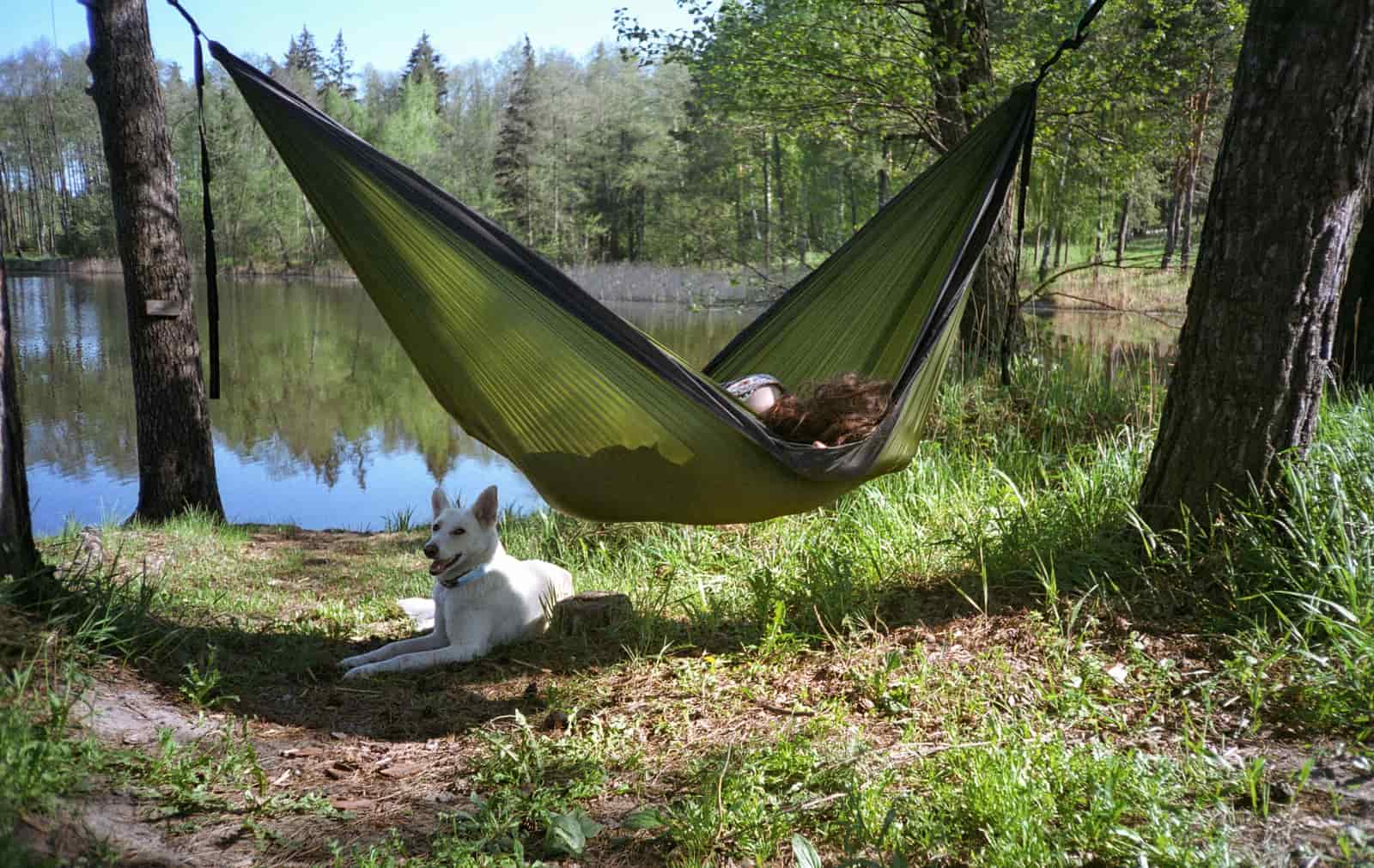
The Best Backpacking Hammocks
Backpacking hammocks judged on total system weight, where the suspension matters more than the hammock.
Complete shelters

Hammocks with a Bug Net and Rainfly
Integrated nets versus separate ones, and how to size the tarp that makes a hammock a shelter.
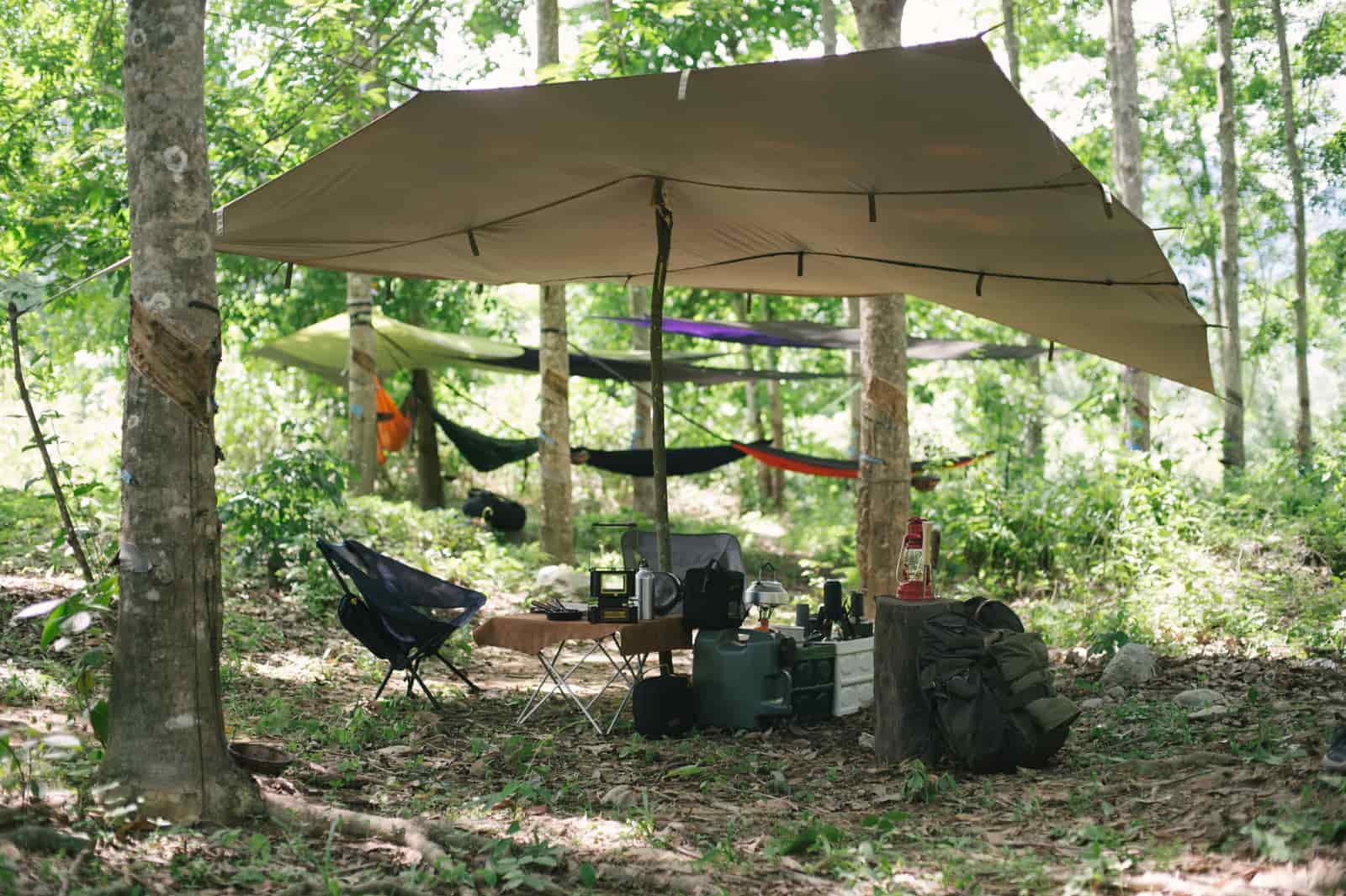
The Best Hammock Tents
Flat-lay hammock tents compared, and when a hammock plus a tarp is the better buy.
Sleeping in one
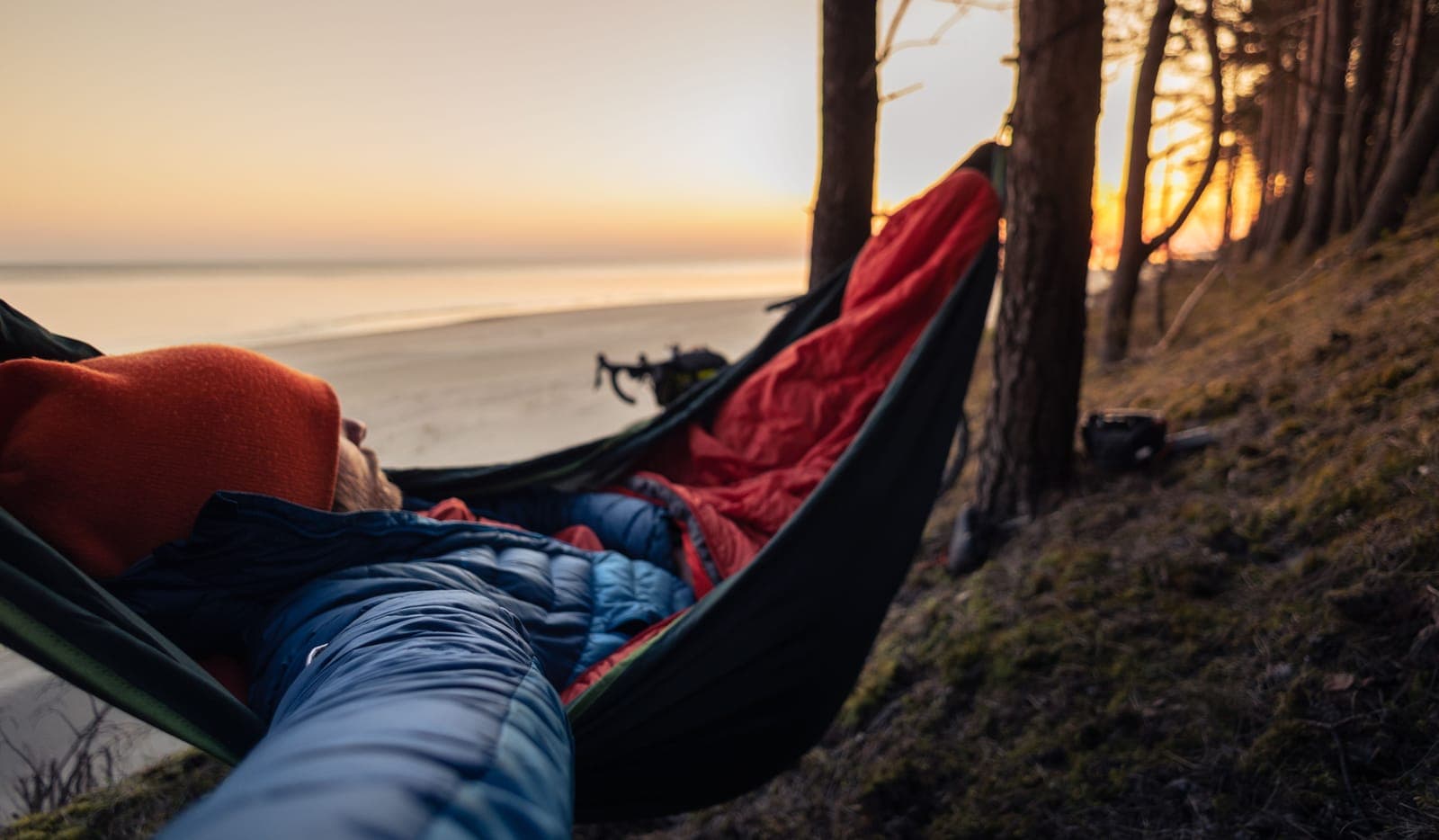
The Best Hammocks for Sleeping
Hammocks and hang settings for a genuine night's sleep — the diagonal, the sag, and insulation.
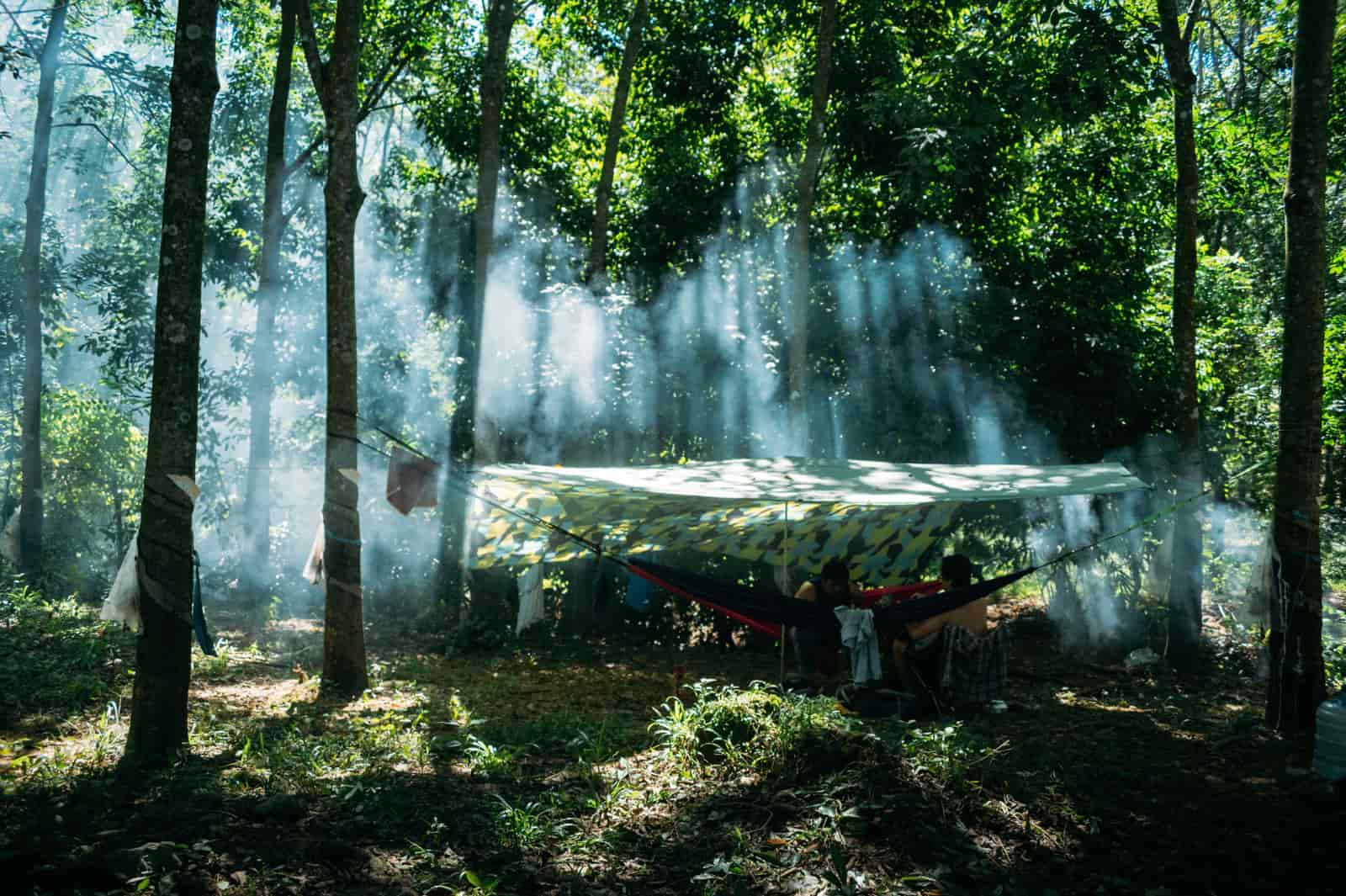
Hammock Camping in Rain and Cold
Tarp coverage, pitching order, underquilt ratings and condensation — the two conditions that put people off.
What to buy after the hammock
In this order: straps, then a tarp, then insulation, then a bug net if your season needs one. Straps because they are the part that touches the tree and are often the lowest-rated link in the chain; a tarp because one overnight shower without one ends the trip; insulation because it is what makes the difference between sleeping and enduring.
All four are in our hammock gear hub, with published specifications compared side by side. The strap comparison in particular is worth reading before you buy, because the published spread runs from 300 lb to 500 lb in capacity and from 1.55 oz to 12 oz in weight.
And if your usual sites have no trees, or tree hanging is restricted, the answer is a camping hammock stand — with the honest caveat that the lightest one we track is 15 lb, which is car-camping weight rather than trail weight.
Common questions
Are hammocks good for camping?
In wooded sites, yes — they handle rough and sloping ground that a tent cannot, and they keep you off wet ground. They do not work where there are no trees, and they need more insulation than a tent for the same temperature.
What do you need for hammock camping?
Five things: the hammock, straps at least an inch wide, a bug net, a tarp, and insulation underneath you. The last one is what beginners skip and what ruins first nights.
Can you sleep in a hammock every night?
Plenty of people do. The two things that decide whether it works are the diagonal lie and insulation underneath. Give yourself a few nights to adjust before judging it.
#ad — buy links on this page are affiliate links. We show no prices; here is why.