The Best Hammock Tents
A hammock tent is an enclosed, flat-lying hammock. It solves the two things people dislike about hammock sleeping, and costs weight to do it.
By Mike M. · Last updated
Knot & Nap is reader-supported. We earn from qualifying purchases as an Amazon Associate, at no extra cost to you. Commissions never decide what gets recommended — here is how we pick.
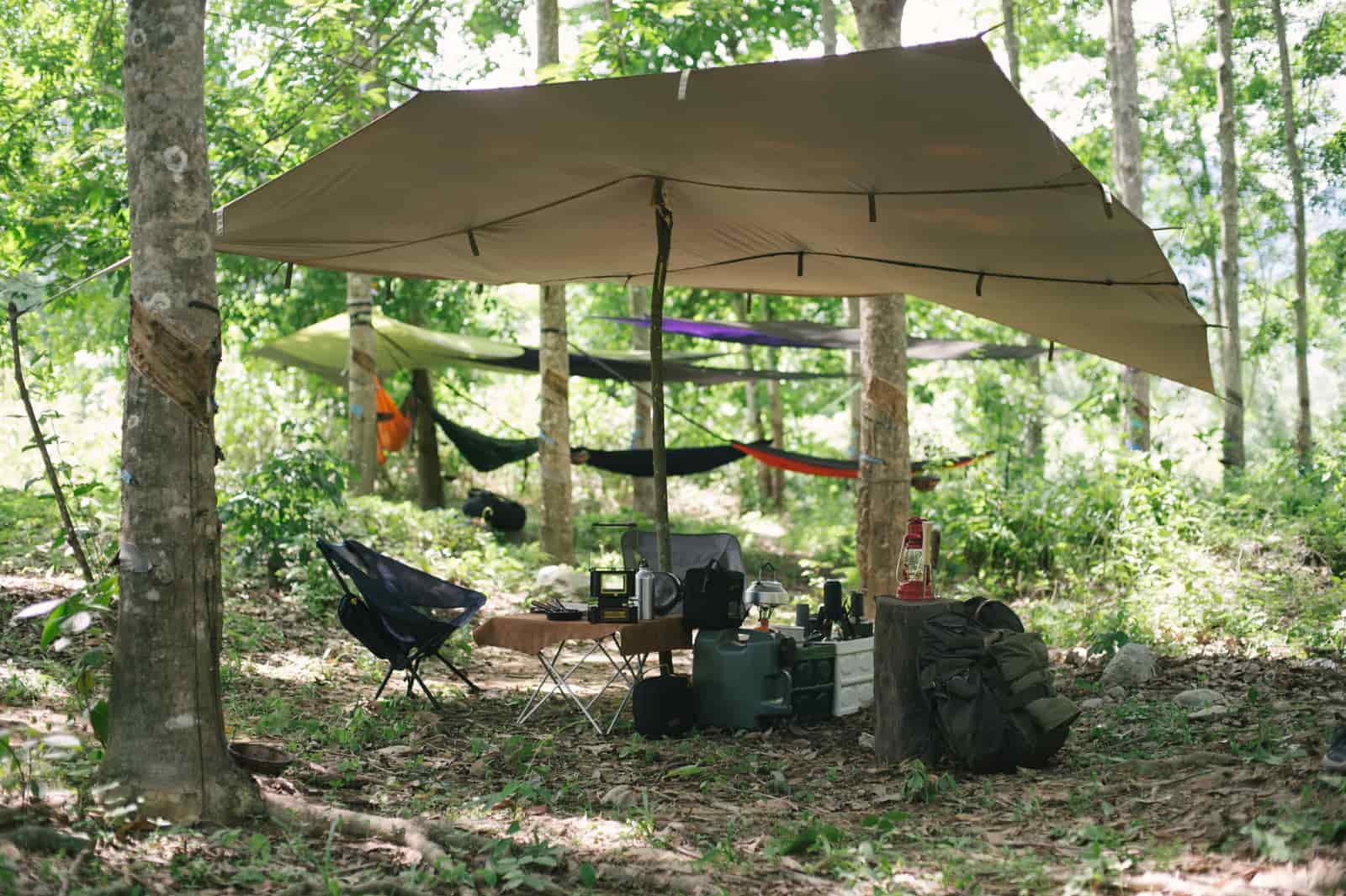
A hammock tent is a suspended shelter with an enclosed body and, on the best designs, a genuinely flat lay. It suits people who cannot get comfortable in a curved hammock, particularly stomach sleepers. It weighs more than a hammock plus a separate net.
Part of our camping hammocks hub. The term covers a spectrum — from hammocks with integrated netting at one end to purpose-built flat-lay shelters at the other — so it is worth being precise about what you are buying.
Quick picks
Tap any row to jump to the full write-up. Prices are not shown anywhere on this site — we link straight to Amazon so you see the live figure.
| # | Product | Best for | Headline spec | Price |
|---|---|---|---|---|
| 1 | Haven Tent Flat-Lay Hammock TentA hammock tent built around a genuinely flat lay, for people who cannot sleep in a curve. | Sleeping flat off the ground | Flat-lay hammock tent | |
| 2 | 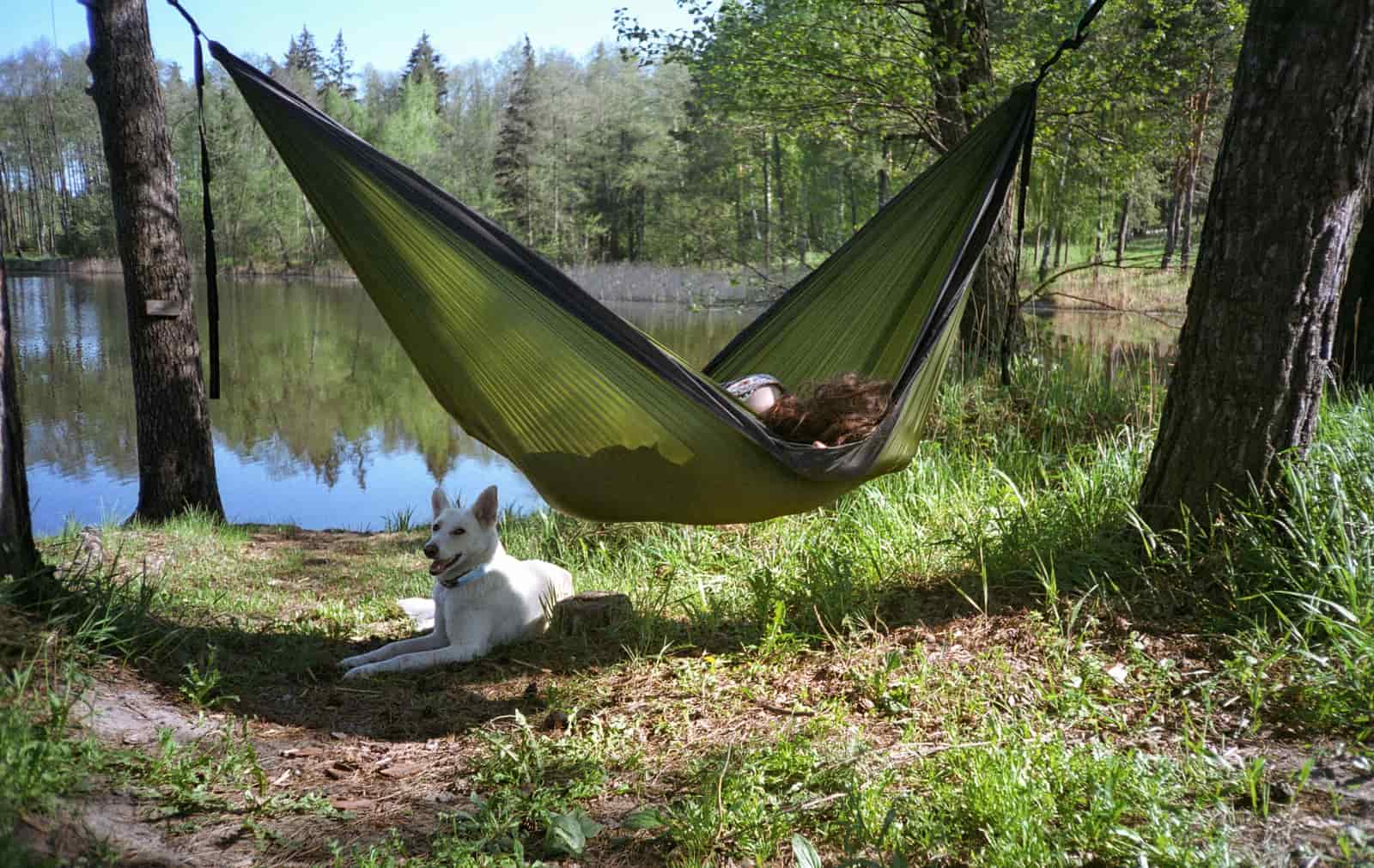 Warbonnet Original BlackbirdOutdoorGearLab's backcountry pick, with the bug net already built in and the lightest weight in their test. | Best for backcountry | Named best for backcountry by OutdoorGearLab | |
| 3 |  Hennessy Hammock Ultralite Backpacker Asym ZipTreeline Review's pick when the mosquito net matters more than anything else in the kit. | Best with a mosquito net | Named best with mosquito net by Treeline Review | |
| 4 | DD Hammocks Camping HammockA well-known camping hammock line with real search demand and built-in netting options. | Integrated net on a budget | Camping hammock line with measured brand search demand |
#ad — the buy links above are affiliate links. See our affiliate disclosure.
Three things called a hammock tent
| Type | What it is | Example |
|---|---|---|
| Flat-lay hammock tent | A suspended shelter engineered to lie flat rather than curve | Haven Tent |
| Hammock with integrated bug net | A normal gathered-end hammock, enclosed | Warbonnet Original Blackbird |
| Asymmetric zip hammock | Enclosed hammock with an angled lay and zip entry | Hennessy Ultralite Backpacker Asym Zip |
Only the first genuinely changes how you lie. The other two are enclosed hammocks, which is a real convenience but does not solve the curve. If flat lay is what you are after, be specific when you shop.
1. Sleeping flat off the ground
Haven Tent Flat-Lay Hammock Tent
A hammock tent built around a genuinely flat lay, for people who cannot sleep in a curve.
Specifications
- Flat-lay hammock tent
Source: Docs/KeywordData.md and CleverHiker retailer list, 2026. We publish specs we can attribute and leave the rest blank rather than assuming a typical value.
What it does well
- Flat lay solves the single biggest complaint about hammock sleeping
- Enclosed, so netting and weather cover are part of the design
Where it falls short
- Heavier than a plain hammock plus net
- Published weight and capacity were not verifiable in our sources
Illustrative photograph of the category, not this exact product.
2. Best for backcountry
Warbonnet Original Blackbird
OutdoorGearLab's backcountry pick, with the bug net already built in and the lightest weight in their test.
Specifications
- Named best for backcountry by OutdoorGearLab
- Easy setup
- Includes a bug net
- Lightest hammock in OutdoorGearLab's test
- Hammock, bug net and suspension weigh 26 oz; the whole kit with the Mini Fly tarp weighs 42 oz
Source: OutdoorGearLab 2026. We publish specs we can attribute and leave the rest blank rather than assuming a typical value.
What it does well
- Bug net is integrated, so there is no separate net to buy or fit
- 26 oz for hammock, net and suspension is excellent for a full system
- Configurable to your trip style at order time
Where it falls short
- Cottage-brand lead times, not shelf stock
- Integrated net means you carry it even on bug-free nights
Illustrative photograph of the category, not this exact product.
3. Best with a mosquito net
Hennessy Hammock Ultralite Backpacker Asym Zip
Treeline Review's pick when the mosquito net matters more than anything else in the kit.
Specifications
- Named best with mosquito net by Treeline Review
Source: Treeline Review 2026. We publish specs we can attribute and leave the rest blank rather than assuming a typical value.
What it does well
- Asymmetric lay with integrated netting
- Zip entry rather than a bottom entry
Where it falls short
- The asymmetric system takes getting used to
- Capacity and weight are not published in the sources we verified
Illustrative photograph of the category, not this exact product.
4. Integrated net on a budget
DD Hammocks Camping Hammock
A well-known camping hammock line with real search demand and built-in netting options.
Specifications
- Camping hammock line with measured brand search demand
Source: Docs/KeywordData.md, 2026. We publish specs we can attribute and leave the rest blank rather than assuming a typical value.
What it does well
- Netting is built into several models
- Long-running line with community support
Where it falls short
- Model specs vary widely across the line
- Less common in US retail
Illustrative photograph of the category, not this exact product.
What a flat-lay design buys you
- Stomach sleeping becomes possible, which it largely is not in a curved hammock.
- No diagonal to learn. You get in and lie down the way you would in a tent.
- Even pressure distribution, so no shoulder squeeze from the fabric closing in.
- A defined interior, which makes managing gear at night far easier.
What it costs
Weight and packed size, mostly. A flat-lay structure needs spreaders or an inflatable pad to hold its shape, and that hardware is real mass. Against the 26 oz OutdoorGearLab quotes for a Warbonnet Blackbird with net and suspension, a flat-lay tent is a meaningful step up.
You also still need a tarp. Most hammock tents include netting, not rain cover — see best hammock rain flies. And you still need insulation underneath, because a flat-lay hammock has exactly the same cold-air problem as a curved one.
What is not published
Weights and capacities for several hammock tents are not published in sources we could verify, and we have left those fields blank rather than estimating. If exact weight is a deciding factor, check the manufacturer's current listing directly before ordering — this is a category where specs change between model years.
Common questions
What is a hammock tent?
A suspended shelter with an enclosed body. The term covers both hammocks with integrated bug netting and purpose-built flat-lay designs, which are quite different products — only the flat-lay designs change how you actually lie.
Are hammock tents worth it?
For stomach sleepers and anyone who has genuinely tried the diagonal and still cannot get comfortable, yes. For everyone else, a wide hammock with a separate net and tarp is lighter, cheaper and more flexible.
Do hammock tents keep you warm?
No more than a regular hammock. The cold comes from air moving under the fabric and your insulation compressing beneath you, and an enclosed body does not change either. You still need an underquilt or pad.
Can you use a hammock tent without trees?
Only with a stand rated and sized for it, and most portable stands are designed around standard gathered-end hammocks. Check the span and capacity before assuming a stand will work.
Sources
Every specification on this page traces to one of these. Where a recommendation rests on another publication's hands-on testing, we name it — we do not run a test lab.
Read next
Spotted something we got wrong? Tell us — corrections are part of our editorial policy.