Hammock Guides
The numbers and the how-tos. Span, angle, capacity, stand length — the reference material that decides whether a hammock works.
Knot & Nap is reader-supported. We earn from qualifying purchases as an Amazon Associate, at no extra cost to you. Commissions never decide what gets recommended — here is how we pick.

This hub is the reference half of the site. The roundups tell you what to buy; these pages tell you the numbers — how far apart your anchors should be, what a hammock can actually hold, which stand length fits which hammock, and what happens if you leave any of it outside.
Every figure here traces to a manufacturer specification or a named publication. Where a number is not published, we say so rather than filling it in. That is the standard we hold ourselves to on every page — see how we pick.
The three numbers that matter most
| Setting | Target | Why |
|---|---|---|
| Distance between anchors | 12 to 17 ft | Enough room for a comfortable sag without extreme anchor heights |
| Suspension angle | About 30 degrees | Balances comfort against the force pulling on your anchors |
| Height off the ground | 16 to 19 in with you in it | About chair-seat height — easy entry, short fall |
Those three, plus lying diagonally rather than along the center line, account for most of the difference between a hammock people love and a hammock people describe as uncomfortable. All four are free.
Capacity is a chain
Your setup's real limit is the lowest of four numbers: the hammock bed, the suspension, the anchor, and the hardware. Published strap capacities run from 300 lb to 500 lb, published stand capacities from 275 lb to 600 lb, and published hammock capacities from 275 lb to 600 lb. A 500 lb hammock on a 275 lb stand is a 275 lb setup.
Weather
Polyester and nylon resist moisture and dry quickly, and polyester is not prone to mold or fading. Cotton absorbs water, stretches and can mildew. Powder-coated and stainless steel frames resist rust and humidity well. And even weather-resistant hammocks should come in for heavy snow, strong wind or an extended wet season — the research is explicit on that, and it is the part most people ignore.
Trees
Straps at least one inch wide, flat against the bark, on living trees with no deadwood overhead. Thin rope cuts in and can girdle a tree, which is why an increasing number of parks now specify a minimum strap width rather than banning hammocks outright.
Hanging a hammock
How to Hang a Hammock
Six steps, three numbers and the diagonal lie that makes almost any hammock comfortable.
Hammock Hanging Distance and Angle
Span, angle, anchor height and clearance in one reference table, with what changes each.

How to Hang a Hammock Between Two Trees
Choosing healthy anchors, strap width, spacing and the overhead check nobody mentions.

How to Hang a Hammock Without Trees
Stands, posts, walls, vehicles and DIY frames — five options and the safety limits of each.

How to Hang a Hammock Indoors
Finding structure, ceiling versus wall mounting, clearance, and when a stand is the right call.
Sizes and weight limits
Hammock Weight Limits
Published capacities by hammock type, and why the real limit is the lowest link in the chain.
Hammock Stand Weight Limits
Published stand capacities by type, and why a 500 lb hammock can still be a 275 lb setup.
Hammock Stand Size Guide
Which stand length fits which hammock, by style, plus the floor area each one needs.

Are Hammock Stands Universal?
What universal really means, the two hammock geometries, and how to check fit before you buy.
Choosing
How to Choose a Hammock
Five questions in the right order, from every hammock on the market to a shortlist of two.
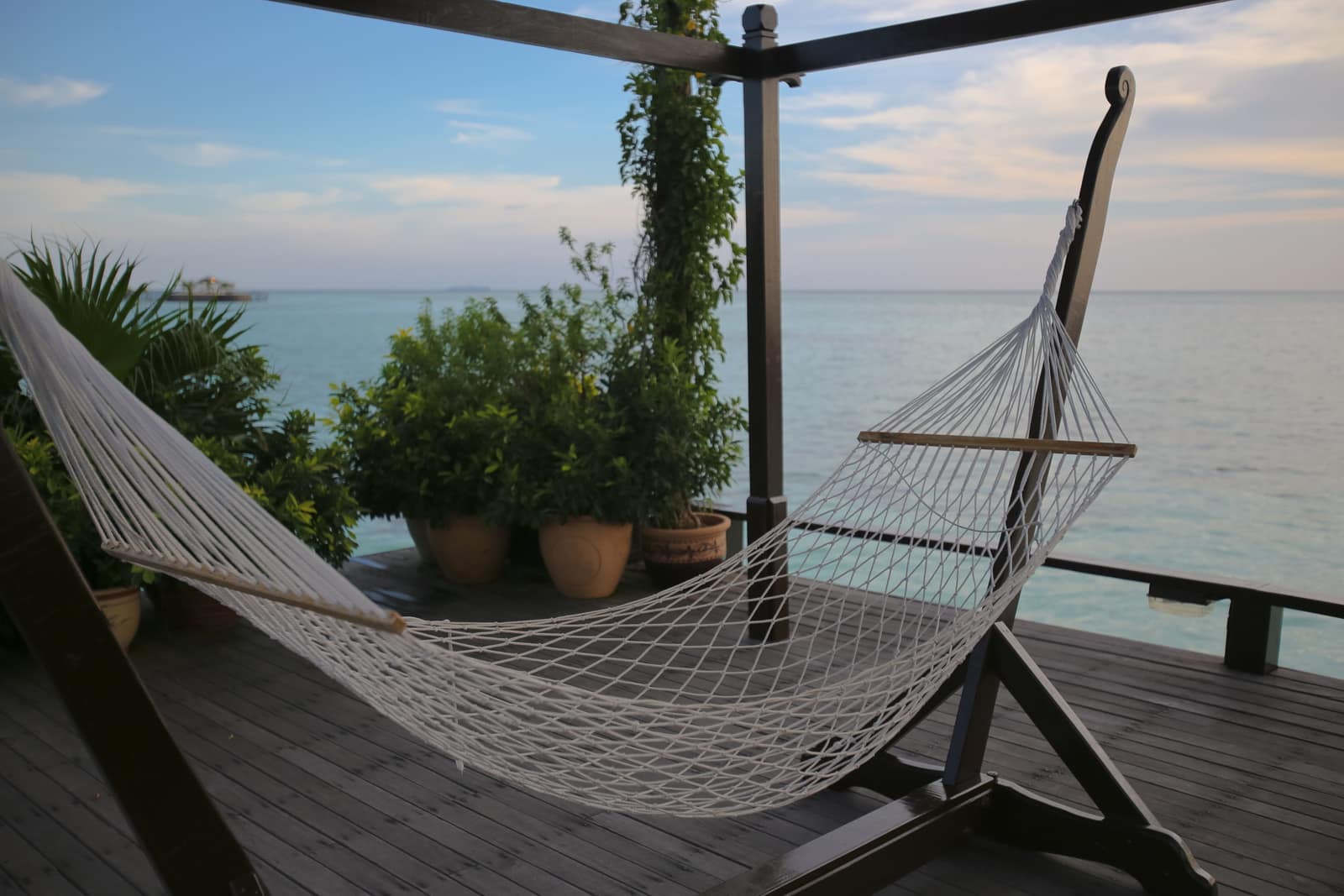
How to Choose a Hammock Stand
Four questions in order — length, capacity, ground and portability — and what to ignore.

The Hammock Brands Worth Knowing
Who makes rope, quilted, camping and cottage-brand hammocks, and where each is genuinely strong.
Comfort, safety and care

Are Hammocks Bad for Your Back?
The hang angle and the diagonal lie that decide it, and what to change if you wake up sore.
How to Make a Hammock More Comfortable
Ten changes in order of impact per dollar, starting with the two that cost nothing.
Are Hammocks Bad for Trees?
Why strap width is the whole question, the one-inch minimum, and how to hang without harming bark.
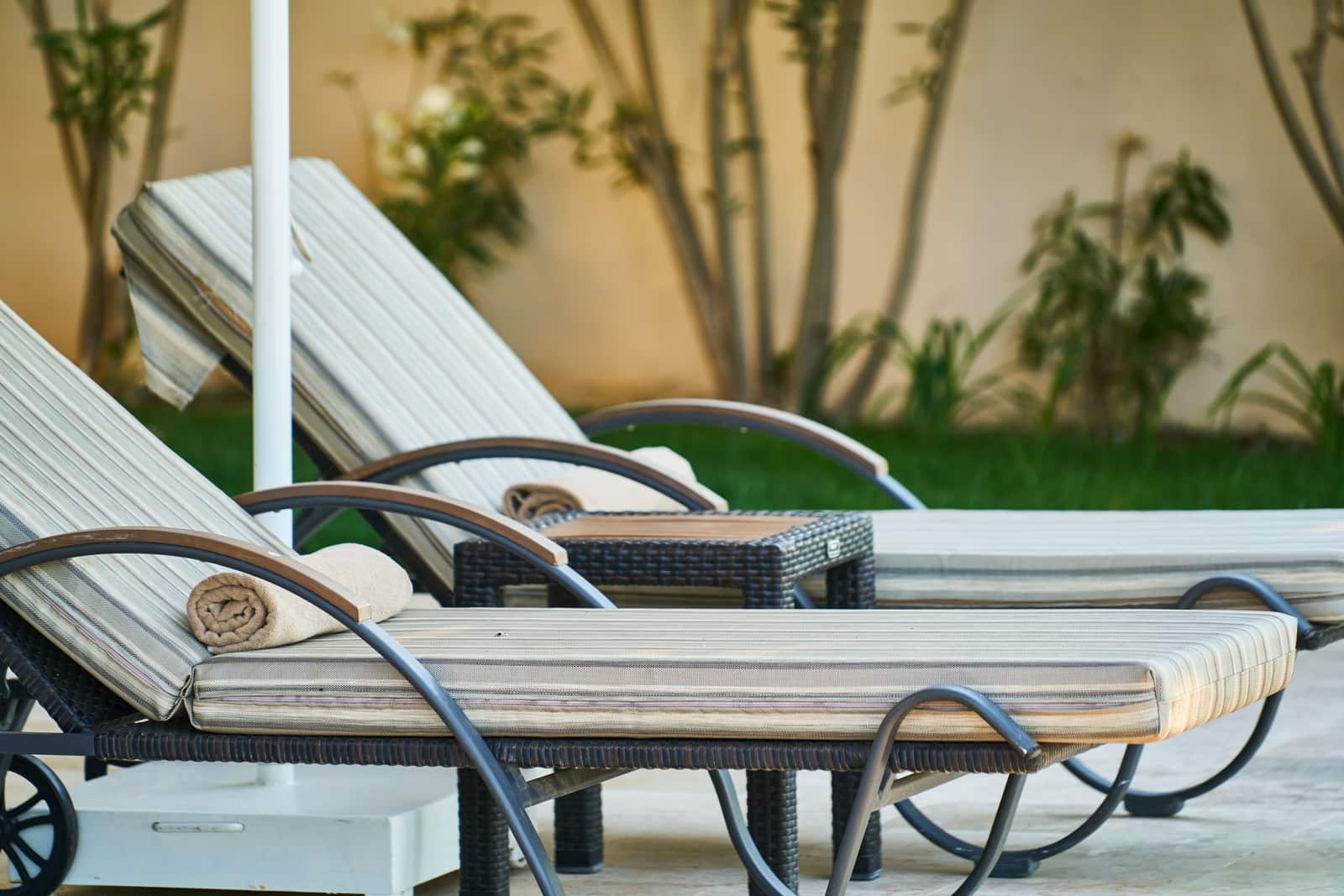
Can You Leave a Hammock Outside?
Material by material — which hammocks and frames genuinely survive being left out, and which do not.
How Long Does a Hammock Last?
What wears out first, what shortens it, and the storage habit that matters more than anything else.

Hammock Camping in Rain and Cold
Tarp coverage, pitching order, underquilt ratings and condensation — the two conditions that put people off.
Hammock Rope and Knots
What rope belongs where, why it must never touch bark, and what replaced knots for most people.
Buying for someone else

The Hammock Gift Guide
What to check before you order, which picks suit which recipient, and what the box does not include.
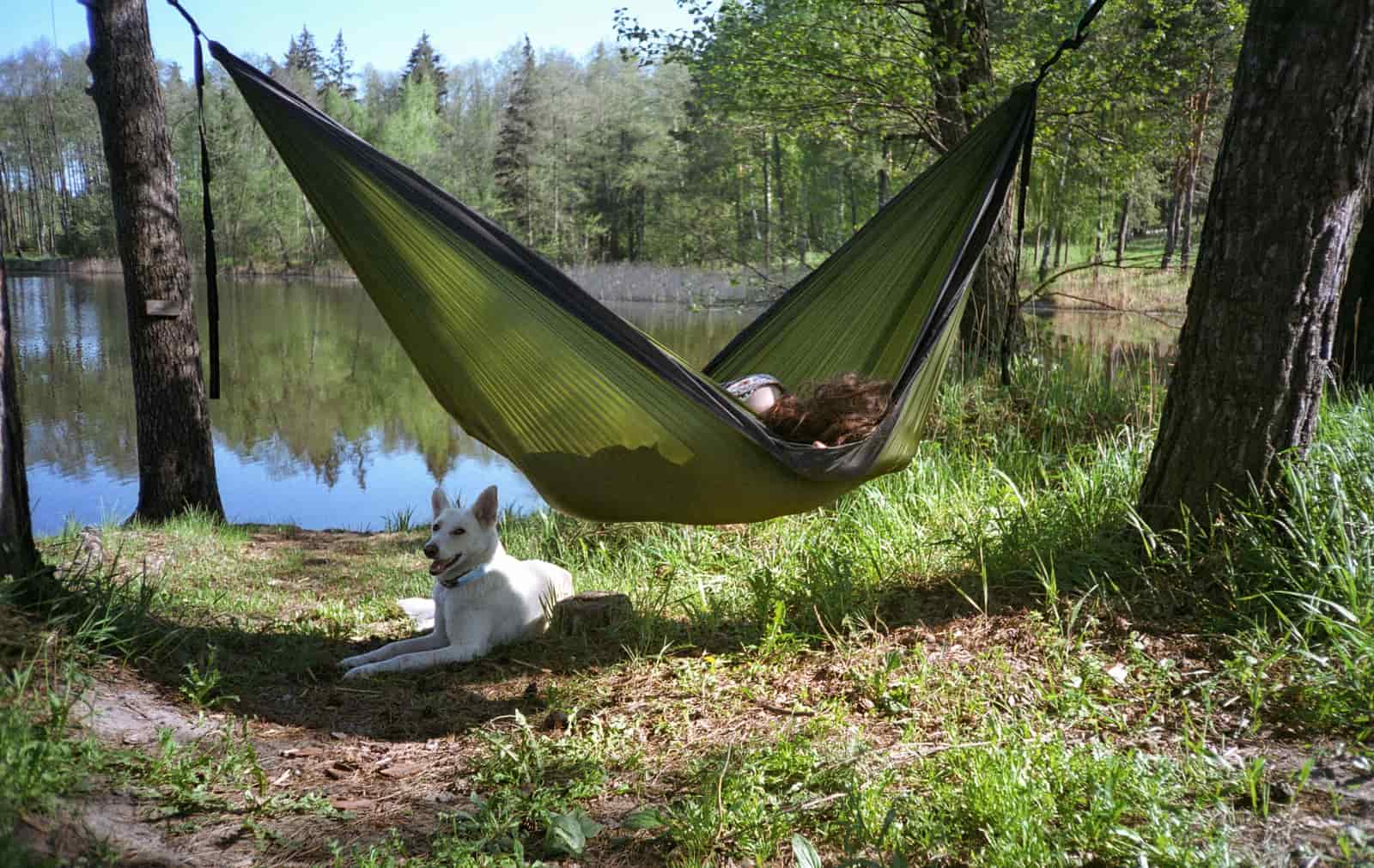
Gifts for Hammock Campers
The upgrades experienced hammock campers actually want, and which are safe to buy blind.
Where these guides lead
Every guide here exists to make a purchase decision clearer, so each one links to the product pages it informs. The stand size guide leads to hammock stands; the weight limit pages lead to the heavy-duty roundups; the weather guide leads to hammocks you can leave outside.
If you are at the very start, two pages will save you the most trouble: how to choose a hammock and the stand size guide. Between them they prevent the mismatch that causes most returns in this category — a hammock that does not fit the thing you bought to hang it from.
Common questions
How far apart should hammock posts be?
Twelve to seventeen feet covers most hammocks. Closer than about 10 feet leaves too little room for a proper sag; much wider needs very high attachment points and long straps.
How much weight can a hammock hold?
Published figures commonly sit between 450 and 500 lb for standalone hammocks, and from 275 lb to 600 lb for complete sets, where the stand sets the limit. Many artisan hammocks publish no capacity at all.
Can you leave a hammock outside?
Synthetic hammocks on rust-resistant frames, mostly yes. Cotton, no. And no hammock should sit out through heavy snow or an extended wet season.
#ad — buy links on this page are affiliate links. We show no prices; here is why.