Can You Sleep in a Hammock Every Night?
Plenty of people do. The research is encouraging about the motion and silent about the long term, and the setup matters far more than the hammock.
By Mike M. · Last updated
Knot & Nap is reader-supported. We earn from qualifying purchases as an Amazon Associate, at no extra cost to you. Commissions never decide what gets recommended — here is how we pick.
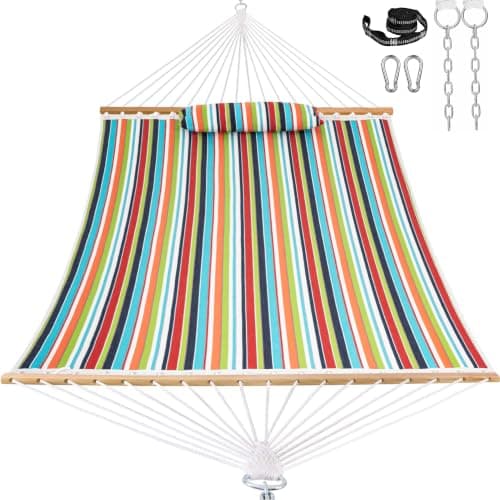
Yes, many people sleep in a hammock nightly. The strongest evidence in favor is a 2019 Current Biology study from the University of Geneva, where eighteen adults fell asleep faster and had longer deep sleep when rocked. There is no long-term study either way, and spine specialists advise anyone with a diagnosed condition to ask their physician first. Use a flat-lying design and a structural ridgeline.
Part of our guides hub. This page separates three questions that usually get mashed together: is nightly hammock sleep supported by evidence, is it bad for your spine, and what does a setup for it actually look like. The first two have partial answers; the third has a complete one.
What the evidence says
The 2019 Current Biology work from the University of Geneva is the study worth knowing. Eighteen healthy young adults slept in a sleep medicine center, rocked on some nights and still on others. The rocked nights produced faster sleep onset, longer periods of deep sleep, fewer micro-wakes, and better recall of word pairs the next day. A companion mouse study found that animals lacking vestibular function got no benefit at all, which points at the balance system as the mechanism rather than suggestion.
What is missing is time. That study covered nights, not years. Nobody has published a controlled trial of people who sleep in hammocks for a decade, so anyone telling you nightly hammock sleep is proven healthy or proven harmful is going beyond the evidence in both directions.
The spine question, honestly
The published clinical position is cautious and individual. A spine practice writing on hammock beds notes that they place you in a sleeping position with a curved spine, that they can be especially painful for people with scoliosis or a pinched spinal nerve, and that recommendations vary by patient — while allowing that a hammock makes you sleep on your back and can be comfortable for some people with back pain. The practical reading: the curve is the variable, the curve is largely a function of the hammock and the hang, and anyone with a diagnosis should ask their own doctor rather than a website.
What a nightly setup needs
- 1Start with a design that lies flatA bridge hammock is the cleanest solution: the Warbonnet Ridgerunner uses aluminum spreader bars at the head and foot to hold the bed open, 44 in wide at both ends and 32 in in the middle. Indoors, a padded spreader-bar bed such as the Lazy Daze 12 FT quilted double at 78 x 55 in does a similar job with less specialist gear.
- 2Fit a structural ridgelineThis is the part that turns a hammock into furniture. DutchWare publishes a rule of thumb of roughly 83% of the hammock's length and sells an adjustable line covering 26 to 135 in. With one fitted, the sag is identical every night regardless of where the anchors are, so you stop re-learning your own bed.
- 3Hang it loose, not tightRoughly 30 degrees from horizontal, with the loaded seat 16 to 19 in off the floor. A tight hammock is the configuration that squeezes shoulders inward and causes most complaints. The arithmetic is on our hanging distance and angle guide.
- 4Insulate underneathYour body compresses whatever is below it, so a duvet does nothing under your back. Outdoors this is mandatory; indoors it still matters in a cold room. The ENO Ember UnderQuilt is rated 40 to 60 degrees Fahrenheit at 27 oz and ENO states it fits all its hammocks except the DayLoft and SuperNest.
- 5Add a pillow and a knee pillowA small pillow under the knees reduces the hyperextension that causes calf pressure in a gathered-end hammock. It is the cheapest comfort change available and almost nobody tries it first.
- 6Give it two weeksNearly everyone reports an adjustment period. If night three is worse than night one, that is normal and not yet information.
Quick picks
Tap any row to jump to the full write-up. Prices come straight from Amazon and are refreshed daily; where a figure is missing the link takes you to the live one.
| # | Product | Best for | Headline spec | Price |
|---|---|---|---|---|
| 1 | No image Warbonnet Ridgerunner Bridge HammockA bridge hammock with aluminum spreader bars at both ends, holding the bed flat instead of curved, which is the design side and stomach sleepers are actually looking for. | Best for side sleepers | Bridge design with aluminum spreader bars at the head and foot ends | |
| 2 | Lazy Daze 12 FT Double Quilted Fabric HammockA 450 lb quilted double with a genuinely large bed — the quilted hammock to beat on specs alone. | Quilted comfort with a real capacity | 450 lb capacity | |
| 3 | No image DutchWare Adjustable Structural RidgelineAn adjustable UCR ridgeline from 26 to 135 in — set your sag once and the hammock hangs the same way forever. | Repeatable sag, every time | Adjustable UCR ridgeline, 26 in minimum to 135 in maximum | |
| 4 | 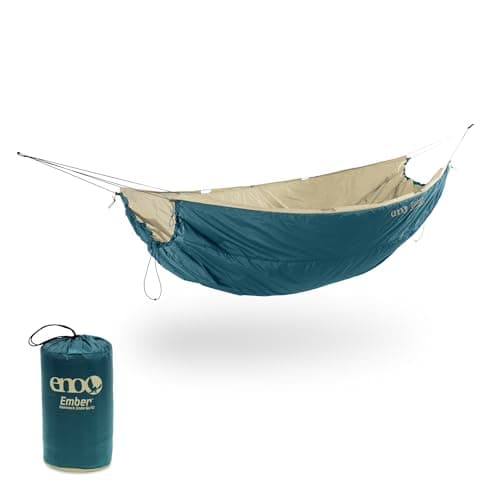 ENO Ember UnderQuiltENO's own synthetic quilt, and the only one whose fit with a DoubleNest is a published compatibility statement rather than an assumption. | Best underquilt for a DoubleNest | 40 to 60 degrees F (4 to 15 C) |
#ad — the buy links above are affiliate links. See our affiliate disclosure.
Who should probably not
- Anyone with a diagnosed spinal condition, until they have asked their own physician — scoliosis and nerve impingement are both named in the clinical guidance as situations where a hammock bed can hurt more.
- Dedicated side sleepers in a gathered-end hammock. The fix is a bridge design, not persistence. See best hammocks for side sleepers.
- Couples who both want to sleep well. A hammock has a center and you will both find it.
- Anyone hanging from something they have not verified. Nightly use means thousands of load cycles. Read are hammocks safe before committing to an anchor.
Common questions
Can you sleep in a hammock every night?
Many people do, and the short-term sleep research is encouraging: a 2019 Current Biology study from the University of Geneva found faster sleep onset and longer deep sleep when participants were rocked. There is no long-term study, so nobody can honestly call it proven either way.
Is it healthy to sleep in a hammock long term?
Unknown, in the strict sense — no controlled long-term research exists. Published spine guidance is cautious about sleeping in a curve and specifically flags scoliosis and a pinched nerve as reasons to consult a physician first.
What is the best hammock for nightly sleeping?
A flat-lying one. A bridge hammock such as the Warbonnet Ridgerunner holds the bed open with spreader bars at both ends; indoors, a wide padded spreader-bar hammock does much of the same job.
How do you stop a hammock hurting your back at night?
More sag, more width, and a structural ridgeline so the sag is repeatable. DutchWare's published guidance puts the ridgeline at about 83% of the hammock's length. Hang at roughly 30 degrees with the seat 16 to 19 in off the floor.
Do you get cold sleeping in a hammock indoors?
Less than outdoors, but the same physics applies — your weight compresses the insulation beneath you. In a cold room an underquilt below the hammock works where extra blankets on top do not.
Sources
Every specification on this page traces to one of these — manufacturer data, owner's manuals, published standards and named independent publications, all linked so you can check them yourself.
Read next
Spotted something we got wrong? Tell us — corrections are part of our editorial policy.