The Best Hammocks for Side Sleepers
Side sleeping in a hammock is not a compromise, but it does need a flat surface. That means a bridge design, a flat-lay shelter, or enough width to lie properly diagonal.
By Mike M. · Last updated
Knot & Nap is reader-supported. We earn from qualifying purchases as an Amazon Associate, at no extra cost to you. Commissions never decide what gets recommended — here is how we pick.
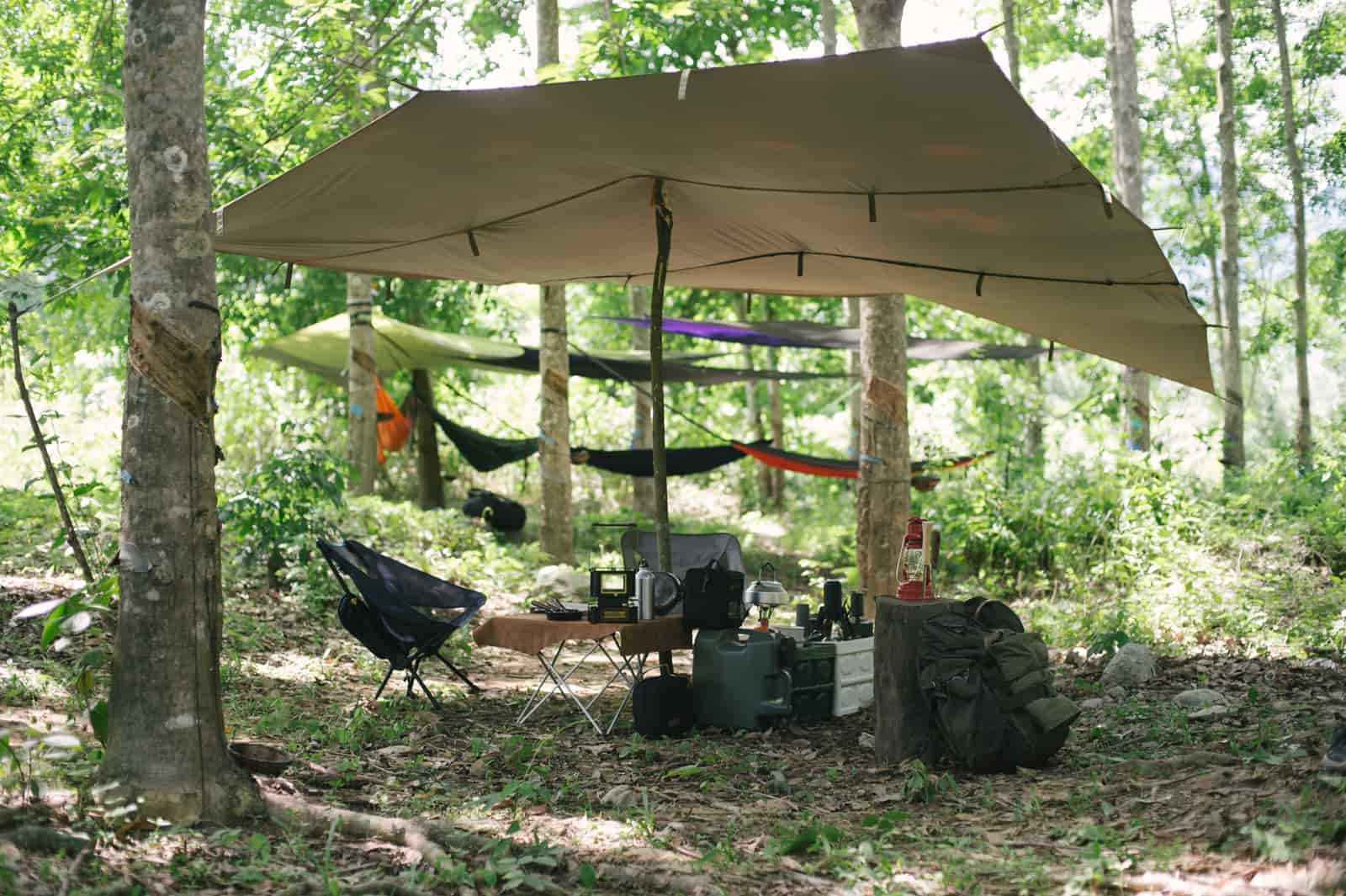
The Warbonnet Ridgerunner is the pick for side sleepers: a bridge hammock with aluminum spreader bars at both ends that holds the bed flat rather than curved. For an enclosed flat-lay shelter, the Haven Tent. For the widest gathered-end diagonal, the Onewind Aerie 11 at 11 ft by 68 in.
Part of our camping hammocks hub. Our best hammocks for sleeping page covers sleeping in a hammock generally. This one is narrower: what to buy if you turn onto your side and stay there.
Quick picks
Tap any row to jump to the full write-up. Prices are not shown anywhere on this site — we link straight to Amazon so you see the live figure.
| # | Product | Best for | Headline spec | Price |
|---|---|---|---|---|
| 1 | Warbonnet Ridgerunner Bridge HammockA bridge hammock with aluminum spreader bars at both ends, holding the bed flat instead of curved, which is the design side and stomach sleepers are actually looking for. | Best for side sleepers | Bridge design with aluminum spreader bars at the head and foot ends | |
| 2 | Haven Tent Flat-Lay Hammock TentA hammock tent built around a genuinely flat lay, for people who cannot sleep in a curve. | Sleeping flat off the ground | Flat-lay hammock tent | |
| 3 | 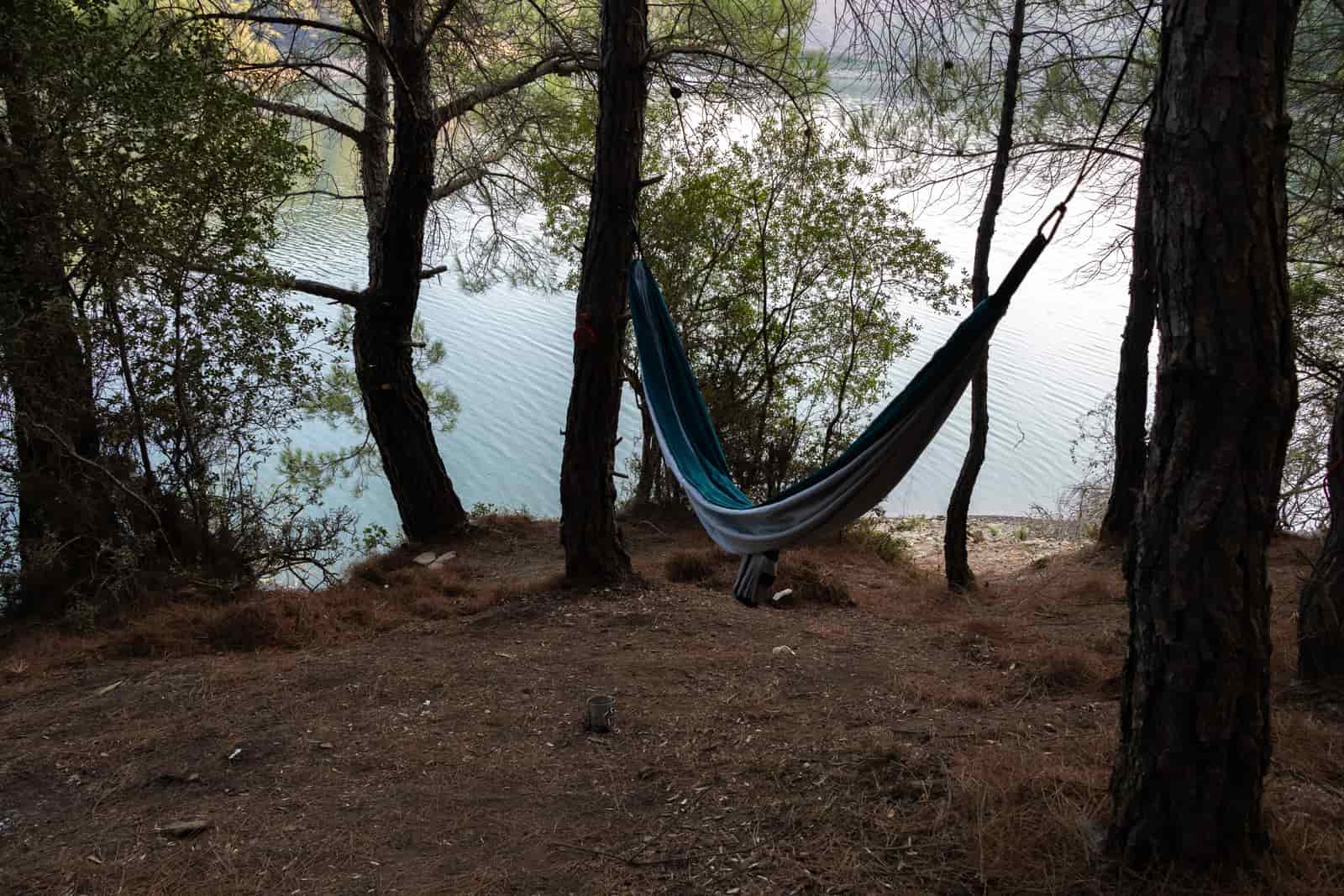 Onewind Aerie 11 ft Double Camping HammockAn 11 ft by 68 in single-panel bed with a 500 lb load rating, a removable bug net and straps in the box — the value route to a long hammock. | The most published length for the money | Bed size 11 ft x 68 in | |
| 4 | 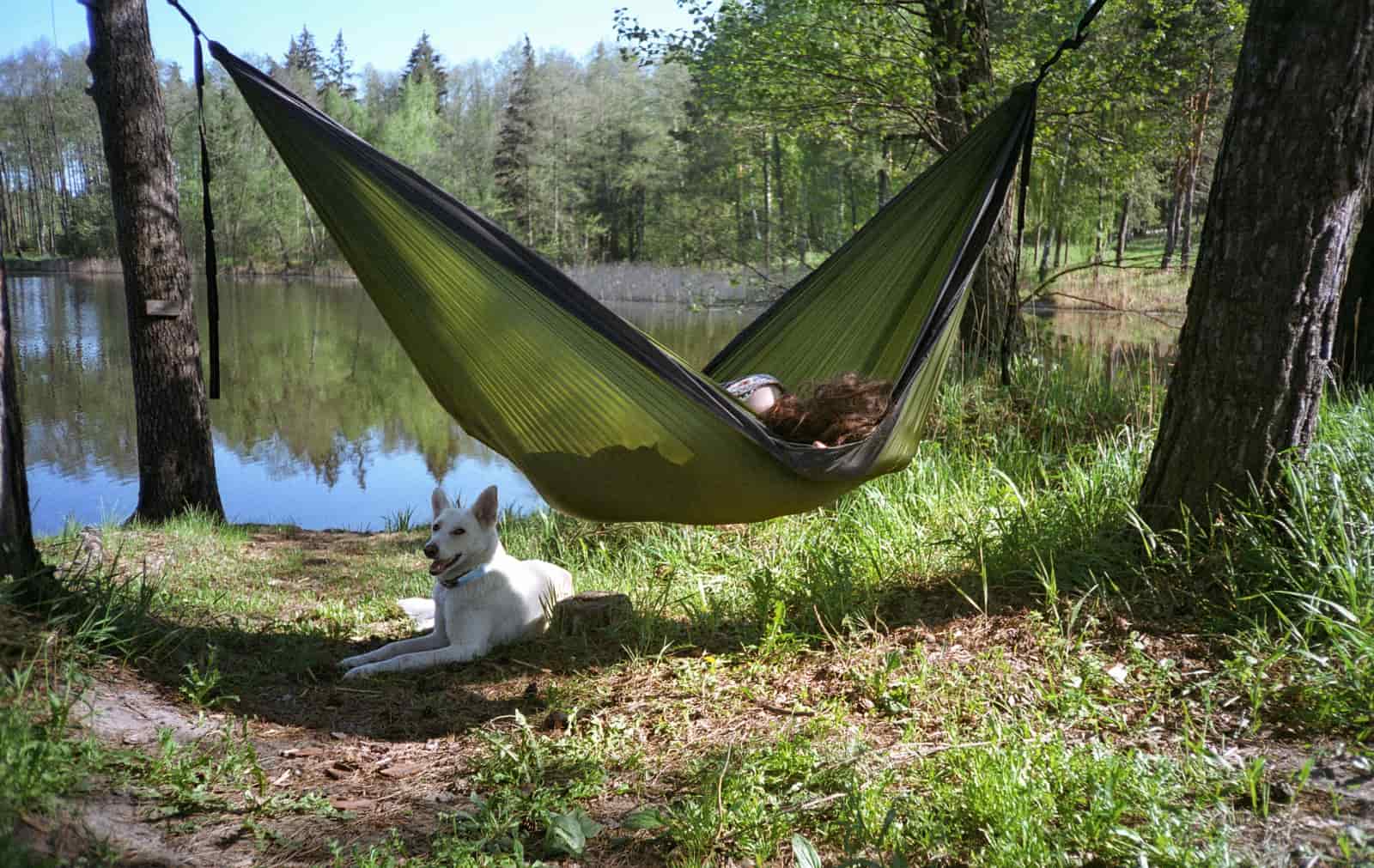 Warbonnet Blackbird XLCThe long version of the Blackbird: 11 ft of body and a published rating to 7 ft of user, at a weight that still belongs in a backpack. | Backpacking at 11 ft | 11 ft (132 in) body length | |
| 5 |  Hennessy Hammock Explorer Deluxe Zip XLHennessy publishes a user-height limit rather than leaving you to work it out from the length, and the XL's is 7 ft — the clearest answer on this page for a tall camper. | The tallest published height rating | Fits users up to 7 ft / 213 cm tall | |
| 6 | ENO DoubleNest HammockThe most widely sold camping hammock there is, and OutdoorGearLab's best all-around pick. | Best all-around camping hammock | 400 lb capacity |
#ad — the buy links above are affiliate links. See our affiliate disclosure.
Three ways to get a flat enough surface
| Hammock | Type | Published size | Capacity | Flat lay |
|---|---|---|---|---|
| Warbonnet Ridgerunner | Bridge, spreader bars | 44 in at head and foot, 32 in mid; 10.1 x 3.7 ft per CleverHiker | 250 lb double layer | By design |
| Haven Tent | Flat-lay shelter | Not published in our sources | Not published | By design |
| Onewind Aerie 11 | Gathered end | 11 ft x 68 in | 500 lb | Diagonal |
| Warbonnet Blackbird XLC | Gathered end, asymmetric | 11 ft x 63 in | 300 lb max load | Diagonal |
| Hennessy Explorer Deluxe XL | Gathered end, asymmetric | Fits users to 7 ft | 300 lb | Diagonal |
| ENO DoubleNest | Gathered end | 9 ft 4 in x 6 ft 2 in | 400 lb | Diagonal |
1. Best for side sleepers
Warbonnet Ridgerunner Bridge Hammock
A bridge hammock with aluminum spreader bars at both ends, holding the bed flat instead of curved, which is the design side and stomach sleepers are actually looking for.
Specifications
- Bridge design with aluminum spreader bars at the head and foot ends
- 44 in wide at head and foot, 32 in in the middle
- CleverHiker lists 10.1 ft x 3.7 ft and 2 lb 9.3 oz for hammock, guylines and spreader bars, plus 8.5 oz of suspension
- 250 lb capacity in the double-layer version; the single layer is rated lower
- The double layer acts as a sleeve for a sleeping pad
- Integrated zippered bug net that stows in its own pocket
- Saddlebag storage pockets along both long sides
Source: Warbonnet Outdoors published specifications and CleverHiker's Ridgerunner review, 2026. We publish specs we can attribute and leave the rest blank rather than assuming a typical value.
What it does well
- Spreader bars hold a flat bed, so you are not fighting a curve to sleep on your side
- The double layer takes a pad, which solves under-insulation without a quilt
- The bug net is built in and stows away rather than coming off
Where it falls short
- 250 lb is a low capacity for a hammock this size
- Spreader bars are bulky in a pack, which is the price of the flat lay
- Made to order from a cottage brand rather than held in stock
Illustrative photograph of the category, not this exact product.
2. Sleeping flat off the ground
Haven Tent Flat-Lay Hammock Tent
A hammock tent built around a genuinely flat lay, for people who cannot sleep in a curve.
Specifications
- Flat-lay hammock tent
Source: Docs/KeywordData.md and CleverHiker retailer list, 2026. We publish specs we can attribute and leave the rest blank rather than assuming a typical value.
What it does well
- Flat lay solves the single biggest complaint about hammock sleeping
- Enclosed, so netting and weather cover are part of the design
Where it falls short
- Heavier than a plain hammock plus net
- Published weight and capacity were not verifiable in our sources
Illustrative photograph of the category, not this exact product.
3. The most published length for the money
Onewind Aerie 11 ft Double Camping Hammock
An 11 ft by 68 in single-panel bed with a 500 lb load rating, a removable bug net and straps in the box — the value route to a long hammock.
Specifications
- Bed size 11 ft x 68 in
- 500 lb max load
- Total weight 2.6 lb; bed alone 0.95 lb
- 2.1 oz 70D hexagon ripstop nylon
- Removable bottom-entry polyester bug net
- UHMWPE ridgeline, 1500 lb breaking strength
- Two 12 ft tree straps, cinch buckles, continuous loops and stuff sack included
Source: onewindoutdoors.com product page (Aerie 11 ft Double) and Amazon listing, 2026. We publish specs we can attribute and leave the rest blank rather than assuming a typical value.
What it does well
- 68 in of width on an 11 ft body is the most usable diagonal on this page
- Single-panel bed means no center seam ridge under your back
- Ridgeline and straps are included, so the hang angle is repeatable out of the box
Where it falls short
- Bottom-entry netting is fiddly compared with a side zip
- Thin 70D nylon wants care around rough bark and buckles
- A less established brand than ENO or Kammok, with a shorter support history
Illustrative photograph of the category, not this exact product.
4. Backpacking at 11 ft
Warbonnet Blackbird XLC
The long version of the Blackbird: 11 ft of body and a published rating to 7 ft of user, at a weight that still belongs in a backpack.
Specifications
- 11 ft (132 in) body length
- 63 in standard width
- 111 in ridgeline
- Rated for users up to 7 ft
- Single layer: max comfort range to 250 lb, max load 300 lb
- Single layer weighs 19 oz without suspension
- Integrated bug netting
Source: Warbonnet Outdoors published specifications and hammock comparison chart, 2026. We publish specs we can attribute and leave the rest blank rather than assuming a typical value.
What it does well
- The extra two feet over the Original Blackbird is exactly the dimension tall sleepers are short of
- 19 oz for an 11 ft hammock with the net built in is a genuinely light full system
- Configurable at order time — layer, width and netting are chosen rather than fixed
Where it falls short
- Ordered direct from Warbonnet, so expect cottage-brand lead times rather than shelf stock
- Max load is 300 lb, lower than several shorter hammocks on this page
- The integrated net comes along on bug-free nights whether you want it or not
Illustrative photograph of the category, not this exact product.
5. The tallest published height rating
Hennessy Hammock Explorer Deluxe Zip XL
Hennessy publishes a user-height limit rather than leaving you to work it out from the length, and the XL's is 7 ft — the clearest answer on this page for a tall camper.
Specifications
- Fits users up to 7 ft / 213 cm tall
- 300 lb / 136 kg weight limit
- Packed weight 3 lb 5 oz, not including the 4 oz webbing straps
- 70D polyurethane-coated polyester ripstop
- Attached mosquito netting, detachable rainfly, support ropes and compression sack included
- 42 in Tree Hugger webbing straps included
- Asymmetric lay with a structural ridgeline
- Side entry with a #10 YKK zipper
Source: hennessyhammock.com product page (Explorer Deluxe Zip XL), 2026. We publish specs we can attribute and leave the rest blank rather than assuming a typical value.
What it does well
- A published height rating removes the guesswork that every other spec sheet in this category leaves you with
- Net, fly and suspension are all in the box, so there is no second purchase before the first night out
- The asymmetric cut is designed around the diagonal lay rather than leaving you to find it
Where it falls short
- Over three pounds packed — this is a car-camping and weekend weight, not an ultralight one
- The asymmetric system and side-zip entry take a few nights to get used to
- Polyester ripstop has less stretch than nylon, which some people read as less forgiving
Illustrative photograph of the category, not this exact product.
6. Best all-around camping hammock
ENO DoubleNest Hammock
The most widely sold camping hammock there is, and OutdoorGearLab's best all-around pick.
Specifications
- 400 lb capacity
- 114 in x 76 in (9 ft 6 in long)
- 19 oz
- 70D high-tenacity nylon taffeta
- Ranked best all-around hammock by OutdoorGearLab and best two-person by Treeline Review
Source: Treeline Review 2026 spec table, OutdoorGearLab 2026 and REI. We publish specs we can attribute and leave the rest blank rather than assuming a typical value.
What it does well
- The safest first camping hammock — everything is built to fit it
- Double width gives a diagonal lay for one person
- ENO publishes underquilt compatibility for it, which few hammocks have
Where it falls short
- Straps are sold separately
- Plain nylon with none of the comfort upgrades of the cottage brands
Illustrative photograph of the category, not this exact product.
Why a curve is the problem
A gathered-end hammock hangs in a catenary curve, and if you lie along its center line that curve wraps your shoulders inward and folds your hips. On your back that is survivable. On your side it puts your spine into a banana shape and your top shoulder rolls forward, which is why side sleepers so often report a stiff neck after a night in a hammock that everyone else found comfortable.
There are only two real fixes. Either the hammock is built with a flat bed — spreader bars at both ends, or a rigid flat-lay shelter — or the hammock is wide enough and long enough that you can lie properly across the diagonal, where the fabric pulls flat under you instead of curving around you.
The bridge hammock, explained
A bridge hammock hangs a rectangle of fabric between two spreader bars, so the bed is held open at the head and the foot and sags only in the middle. The Ridgerunner is 44 inches wide at both ends and 32 inches through the middle, and it comes with an integrated zippered bug net and saddlebag pockets along both sides. CleverHiker lists 2 lb 9.3 oz for the hammock, guylines and bars plus 8.5 oz of suspension, and a 250 lb capacity in the double-layer version.
- What you gain: a genuinely flat bed, no shoulder squeeze, and a double layer that takes a sleeping pad as a sleeve.
- What you give up: bulk in the pack, because the bars come with you, and capacity — 250 lb is low for a hammock this size.
- Who it is for: side sleepers and stomach sleepers, the two groups a curved hammock serves worst.
Or make the diagonal work
A wide gathered-end hammock will let you sleep on your side if you use it properly. Hang with plenty of sag — roughly a 30-degree suspension angle rather than a taut line — then lie across the hammock at an angle of about 15 to 30 degrees off the center line. The fabric flattens under you and your shoulders stop being squeezed. Width is what makes this possible: the Onewind Aerie publishes 68 inches and the ENO DoubleNest 6 ft 2 in, and both are comfortably more usable on the diagonal than a single-width hammock. See hammock hanging distance and angle for the geometry.
Length matters more than you think
A longer body gives you a shallower curve and a longer diagonal to work with. Eleven feet is the useful number — the Blackbird XLC and the Onewind Aerie are both 11 ft — and Hennessy publishes a 7 ft user height for the Explorer Deluxe XL rather than leaving you to infer it from the length. If you are over six feet, start from hammocks for tall people, because a short hammock forces exactly the curve you are trying to escape.
What we would buy
- Committed side sleepers: Warbonnet Ridgerunner, if the 250 lb capacity suits you.
- Side and stomach sleepers who want an enclosed shelter: Haven Tent.
- The best diagonal for the money: Onewind Aerie 11, at 11 ft by 68 in and 500 lb.
- Backpacking weight with an asymmetric cut: Warbonnet Blackbird XLC.
- A published height rating: Hennessy Explorer Deluxe XL, rated to 7 ft of user.
- Already own one: an ENO DoubleNest hung with real sag will do more than most people expect.
Common questions
Can you sleep on your side in a hammock?
Yes. It needs a flat enough surface, which means either a bridge hammock with spreader bars, a flat-lay shelter, or a wide gathered-end hammock hung with plenty of sag and used on the diagonal. Many side sleepers prefer it to a mattress once the hang is right, because there is no pressure point at the hip.
What is the best hammock for side sleepers?
A bridge hammock such as the Warbonnet Ridgerunner, because spreader bars at the head and foot hold the bed flat instead of letting it curve around you. CleverHiker lists it at 2 lb 9.3 oz with the bars and a 250 lb capacity in the double-layer version.
Is a bridge hammock better than a gathered-end hammock?
For side and stomach sleepers, usually. A bridge hammock gives a flat bed at the cost of pack bulk and, in the Ridgerunner's case, a lower weight capacity. For back sleepers a wide gathered-end hammock on a good diagonal is lighter, cheaper and just as comfortable.
How do you lie diagonally in a hammock?
Hang with plenty of sag first — a taut hammock cannot be lain in diagonally at all — then get in and shift your feet to one side and your head to the other, around 15 to 30 degrees off the center line. The fabric flattens under you as you do it.
Do side sleepers need a wider hammock?
Width is what makes the diagonal possible, so yes if you are staying with a gathered-end design. A double-width body such as the ENO DoubleNest at 6 ft 2 in or the Onewind Aerie at 68 in gives you room to get off the center line; a narrow single does not.
Sources
Every specification on this page traces to one of these. Where a recommendation rests on another publication's hands-on testing, we name it — we do not run a test lab.
Read next
Spotted something we got wrong? Tell us — corrections are part of our editorial policy.