Can You Leave a Hammock Outside?
Synthetic hammocks, mostly yes. Cotton, no. And no hammock should sit out through heavy snow or an extended wet season.
By Mike M. · Last updated
Knot & Nap is reader-supported. We earn from qualifying purchases as an Amazon Associate, at no extra cost to you. Commissions never decide what gets recommended — here is how we pick.
Yes for synthetic hammocks on rust-resistant frames; no for cotton. Polyester and nylon resist moisture and dry quickly, and polyester is not prone to mold or fading. Cotton absorbs water, stretches and can mildew. Even weather-resistant hammocks should come in for heavy snow or extended wet weather.
Part of our guides hub. Everything below is attributed, because material claims about hammocks are exactly where content tends to get vague and confident at the same time.
What the research says
- Polyester and nylon resist moisture and dry quickly, and polyester is not prone to mold, moisture damage or fading. (2026 weatherproof hammock research)
- Cotton should be avoided for year-round outdoor use — it cannot handle extreme temperatures or heavy rain and can mildew. (2026 weatherproof hammock research; Vita Patio rope hammock review)
- Even weather-resistant hammocks wear down. In heavy snow, strong wind or extended wet seasons, store the hammock indoors when it is not in use. (2026 weatherproof hammock research)
- Metal frames, especially stainless or powder-coated steel, resist rust and humidity well. (SUNCREAT durability guide)
Material by material
| Material | Leave outside? | Why |
|---|---|---|
| Synthetic rope (DURACORD and similar) | Yes | Marketed specifically to withstand sun and rain |
| Dye-treated polyester (quilted) | Yes, with drying | Resists fading, quick-dry — but the batting holds water |
| Nylon (camping hammocks) | Yes, short term | Dries fast; UV degrades it over seasons |
| Cotton rope | No | Absorbs, stretches, can mildew |
| Woven cotton (Brazilian, Mayan) | No | Same problem, more fabric |
| Canvas | No | Heavy, slow to dry, holds moisture |
| Powder-coated / zinc-coated steel frame | Yes | Resists rust and humidity well; check chips at joints and feet |
| Untreated timber frame | Not without sealing | Grays, absorbs water, splits |
Quick picks
Tap any row to jump to the full write-up. Prices are not shown anywhere on this site — we link straight to Amazon so you see the live figure.
| # | Product | Best for | Headline spec | Price |
|---|---|---|---|---|
| 1 | Pawleys Island DURACORD Rope HammockThe rope hammock built for weather — DURACORD is marketed specifically to withstand sun and rain where cotton cannot. | Rope you can leave outside | DURACORD rope, described by Pawleys Island as built to withstand sun and rain | |
| 2 | 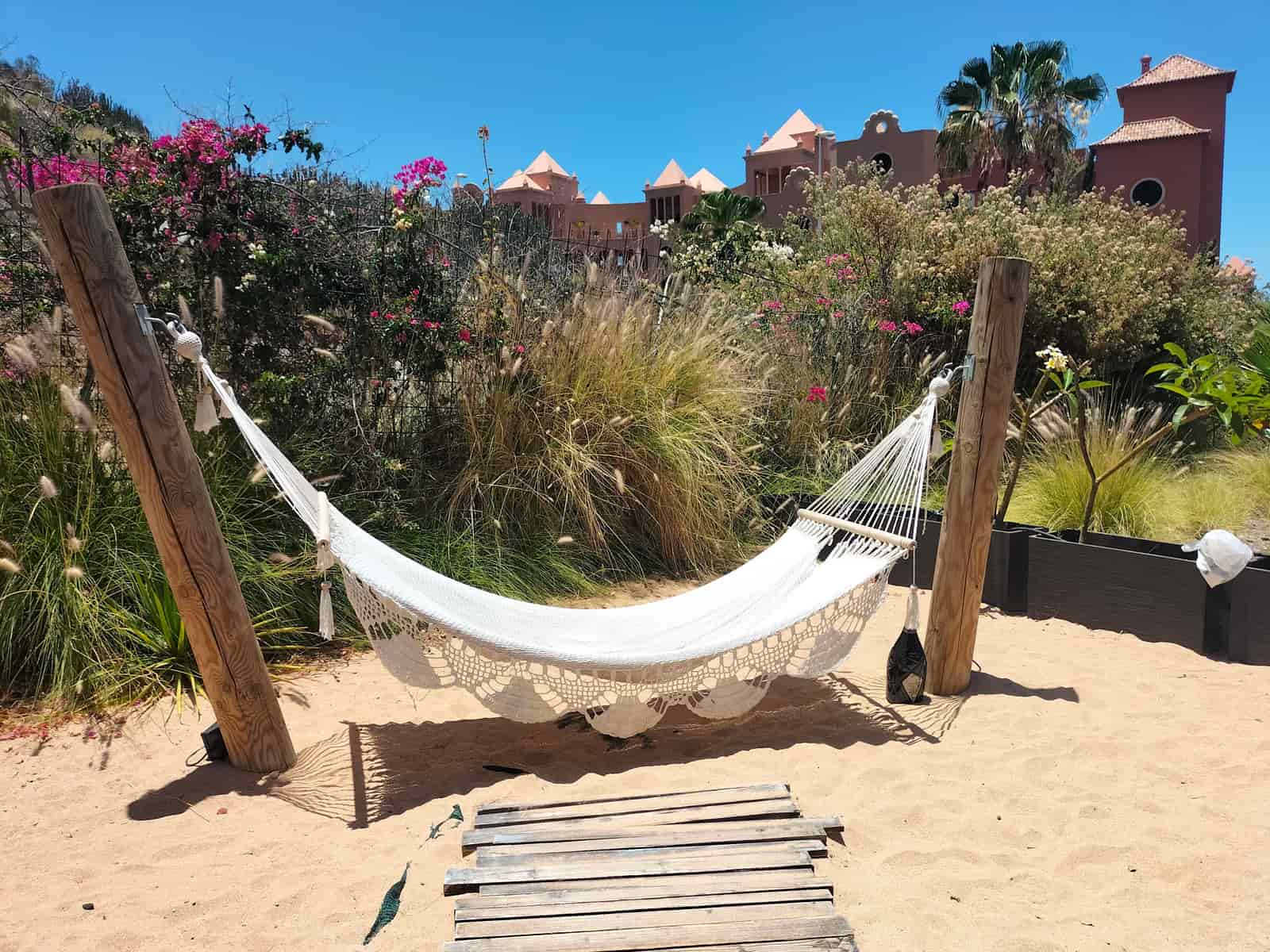 Sunnydaze Catalina Beach Quilted Double HammockDye-treated polyester that resists sun fading, which is the difference between a hammock that lasts a season and one that lasts several. | Quilted comfort that tolerates sun | 450 lb capacity | |
| 3 |  Sunnydaze Universal Hammock StandUniversal fit, powder-coated steel and a 550 lb rating — the stand most people should buy when the hammock came without one. | Best overall stand | Universal compatibility | |
| 4 |  Everyfun Double Hammock with Stand600 lb on a powder-coated frame with a wide anti-tip base — the stability answer for a heavier set. | Heavy-duty with an anti-tip base | 600 lb capacity |
#ad — the buy links above are affiliate links. See our affiliate disclosure.
The realistic setup for a hammock that lives outdoors
A synthetic bed on a powder-coated steel frame, sited where it gets afternoon shade and where water drains away from the feet of the stand. That combination needs almost nothing from you. Everything else — covers, sprays, seasonal routines — extends the life rather than enabling it.
Our hammocks you can leave outside roundup covers the specific models built for this.
What actually destroys an outdoor hammock
- Storing it damp. Especially quilted hammocks, where the batting stays wet long after the surface feels dry.
- UV over seasons. Fading is cosmetic; the fiber embrittlement underneath it is not.
- Snow load. A hammock full of wet snow is a static load nobody rated it for.
- Wind on an empty hammock, flogging the fabric against hardware for hours.
- Wet fabric against bare metal, which is where rust stains start.
If you want cotton anyway
Plenty of people do, because nothing else feels like it. Hang it somewhere covered, bring it in when the weather turns, and dry it before it goes into storage. Pawleys Island sells both the cotton Original and the DURACORD version precisely because these are two different jobs — see rope hammocks.
Common questions
Can you leave a hammock outside all year?
A synthetic hammock on a rust-resistant frame can stay out through most of the year in a temperate climate. The research is clear that even weather-resistant hammocks wear down, and recommends storing them indoors during heavy snow, strong wind or extended wet seasons.
Can you leave a hammock out in the rain?
Synthetics handle occasional rain well — polyester and nylon resist moisture and dry quickly. Cotton should not stay wet, since it absorbs water, stretches under load while damp and can mildew.
Can rope hammocks get wet?
Synthetic rope such as DURACORD is marketed to withstand sun and rain. Cotton rope can get wet but should be dried before storage, and it should not live outdoors year-round.
Will a hammock stand rust if left outside?
Powder-coated and stainless steel resist rust and humidity well. Rust starts where the coating is broken — chips at the joints and the feet — so check those spots each season and touch them up.
Does a hammock cover help?
It keeps sun and rain off, which addresses most of the damage. It is not a substitute for drying a wet hammock, because a cover over damp fabric traps moisture rather than removing it.
Sources
Every specification on this page traces to one of these. Where a recommendation rests on another publication's hands-on testing, we name it — we do not run a test lab.
Read next
Spotted something we got wrong? Tell us — corrections are part of our editorial policy.