The Best Hammocks for Tall People
Most hammocks are sized for someone shorter than you. These are the ones that publish a length, a width, or an actual height rating you can check before you buy.
By Mike M. · Last updated · Published
Knot & Nap is reader-supported. We earn from qualifying purchases as an Amazon Associate, at no extra cost to you. Commissions never decide what gets recommended — here is how we pick.
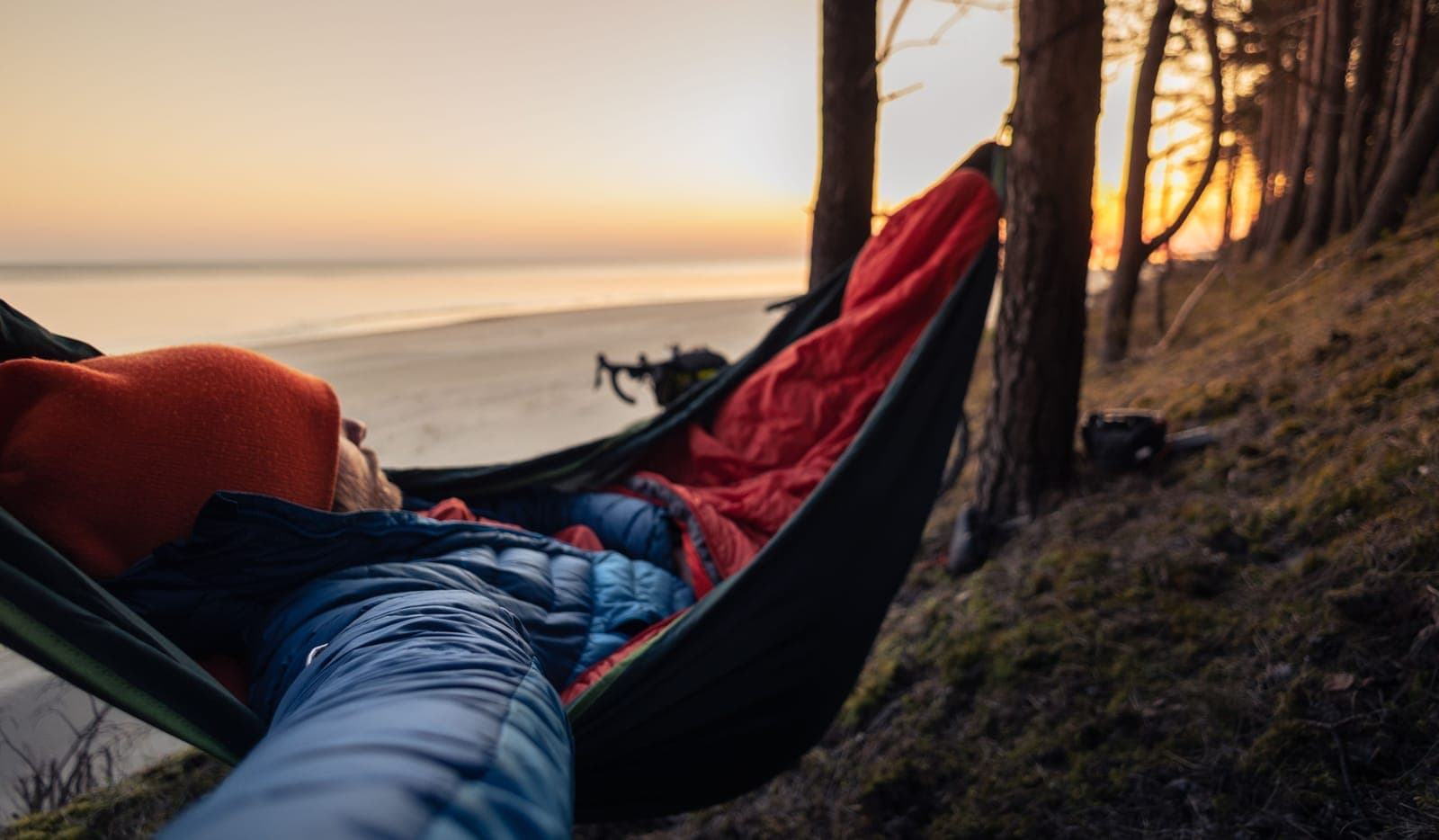
REI's guidance is that a hammock should be at least two feet longer than you are tall. Over six feet, treat that as the floor rather than the goal: eleven feet is where the diagonal lay stops fighting you. The Hennessy Explorer Deluxe Zip XL publishes the clearest number, fitting users up to seven feet.
Part of our hammock style guide. This page exists because almost nothing in the category is labeled for height. A listing gives you a color, a capacity and a photograph of someone who is clearly not six foot four, and you are left to reverse-engineer whether your heels will hang off the end. So every pick below is here because a length, a bed dimension or an explicit height rating is published somewhere we could point at.
Quick picks
Tap any row to jump to the full write-up. Prices are not shown anywhere on this site — we link straight to Amazon so you see the live figure.
| # | Product | Best for | Headline spec | Price |
|---|---|---|---|---|
| 1 |  Hennessy Hammock Explorer Deluxe Zip XLHennessy publishes a user-height limit rather than leaving you to work it out from the length, and the XL's is 7 ft — the clearest answer on this page for a tall camper. | The tallest published height rating | Fits users up to 7 ft / 213 cm tall | |
| 2 | 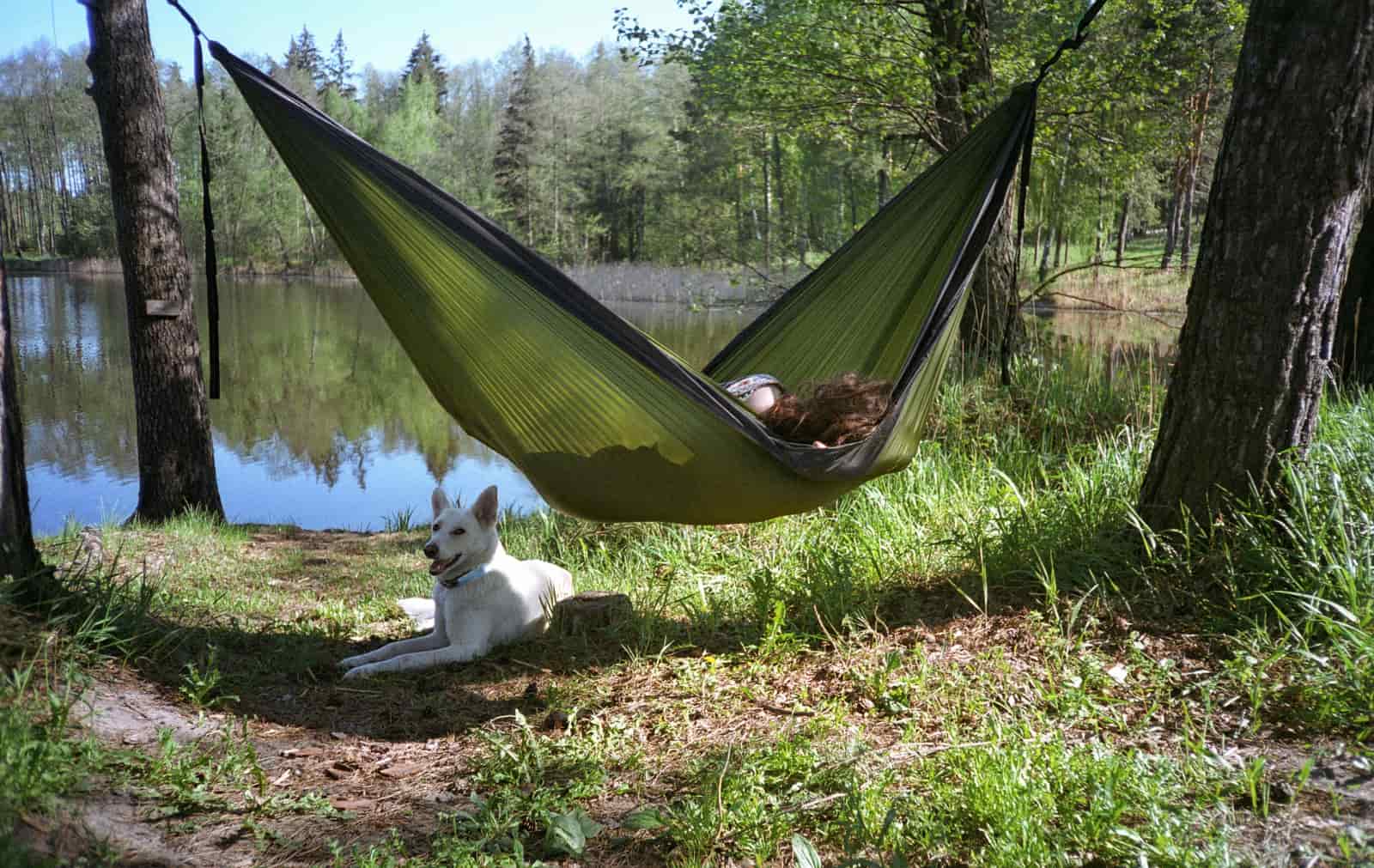 Warbonnet Blackbird XLCThe long version of the Blackbird: 11 ft of body and a published rating to 7 ft of user, at a weight that still belongs in a backpack. | Backpacking at 11 ft | 11 ft (132 in) body length | |
| 3 | 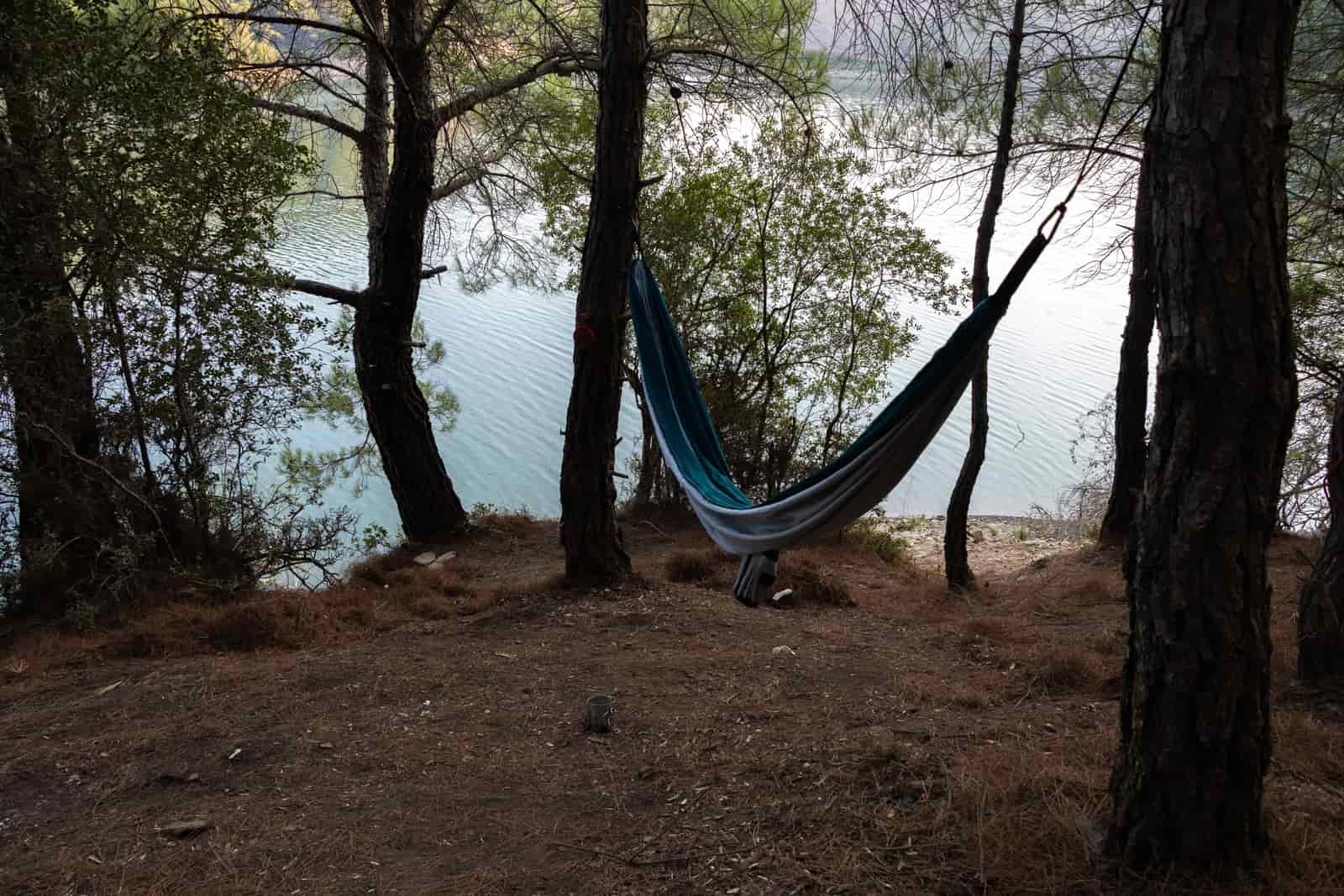 Onewind Aerie 11 ft Double Camping HammockAn 11 ft by 68 in single-panel bed with a 500 lb load rating, a removable bug net and straps in the box — the value route to a long hammock. | The most published length for the money | Bed size 11 ft x 68 in | |
| 4 | Kammok Roo Double HammockSofter fabric, a roomier flat lay and climbing-grade hardware — the comfort upgrade over a standard nylon double. | Best comfort upgrade | Buttery-soft fabric | |
| 5 |  Hatteras Hammocks Deluxe DuraCord Rope Hammock, 13 ft x 60 inThirteen feet long and sixty inches wide — the published dimensions that make this the easiest backyard rope hammock to recommend to someone over six feet. | A backyard hammock with room to spare | 13 ft long, 60 in wide | |
| 6 | 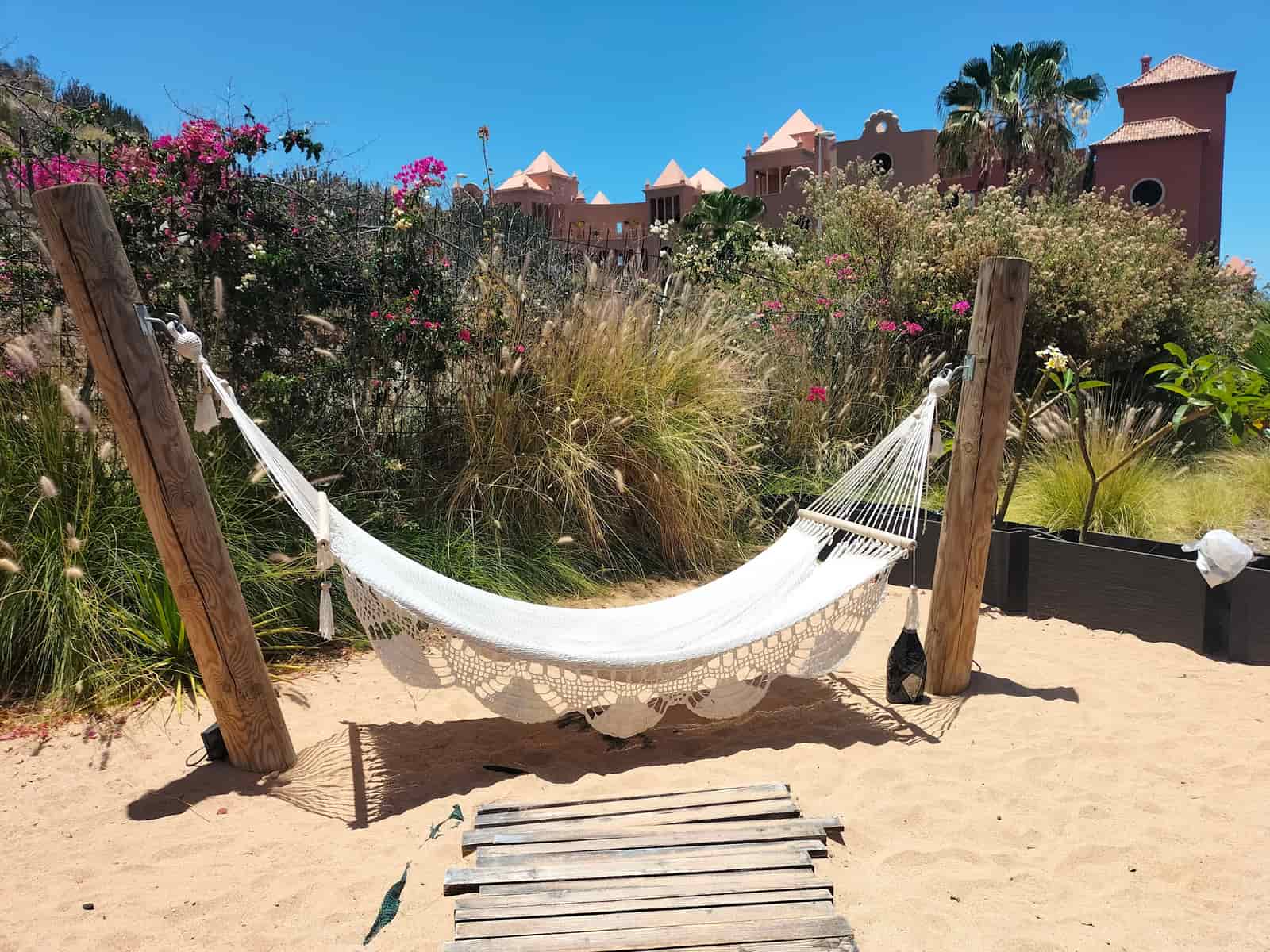 Lazy Daze 12 FT Double Quilted Fabric HammockA 450 lb quilted double with a genuinely large bed — the quilted hammock to beat on specs alone. | Quilted comfort with a real capacity | 450 lb capacity | |
| 7 | ENO DoubleNest HammockThe most widely sold camping hammock there is, and OutdoorGearLab's best all-around pick. | Best all-around camping hammock | Ranked best all-around hammock by OutdoorGearLab |
#ad — the buy links above are affiliate links. See our affiliate disclosure.
How we chose
The selection rule for this page was narrow on purpose. A hammock only made the list if at least one of its critical dimensions is published by the manufacturer or printed on the retail listing — overall length, bed length and width, or a stated maximum user height. Anything we could not verify is left blank on the card rather than filled in, which is why a few well-known hammocks that would probably work are absent. Our full selection process is in how we pick.
- A published length, in inches or feet. Not "XL", not "family size". A number.
- Width, because width is how a tall person gets flat. The diagonal lay is the entire trick, and you cannot lie diagonally in a narrow bed.
- A capacity that is published too. Tall frequently travels with heavy, and a hammock that publishes length but hides capacity is only half an answer.
- Availability now. Every pick was confirmed as a currently sold product before it went on the page.
- One honest limitation per pick. If a hammock is long but heavy, or wide but tippy, that is on the card.
Published dimensions, side by side
| Hammock | Published length | Published width | Capacity | Source |
|---|---|---|---|---|
| Hatteras Deluxe DuraCord | 13 ft | 60 in | 450 lb | Amazon listing / hatterashammocks.com |
| Lazy Daze 12 FT Quilted | 12 ft overall | Bed 78 x 55 in | 450 lb | Amazon listing / lazydazehammocks.com |
| Warbonnet Blackbird XLC | 11 ft (132 in) | 63 in | 300 lb max load | warbonnetoutdoors.com |
| Onewind Aerie 11 ft Double | 11 ft | 68 in | 500 lb | onewindoutdoors.com |
| Kammok Roo Double | 120 in (10 ft) | 69.3 in | 500 lb | kammok.com |
| Hennessy Explorer Deluxe Zip XL | Rated to 7 ft of user | 300 lb | hennessyhammock.com | |
| ENO DoubleNest | 9 ft 6 in | 6 ft 4 in | eaglesnestoutfittersinc.com |
Read that table with one thing in mind: the first two rows are spreader-bar backyard hammocks and the rest are gathered-end hammocks. Thirteen feet of rope hammock and eleven feet of nylon are not the same thirteen and eleven, because the two designs use their length completely differently. That comparison is worked through in rope vs fabric hammocks, and the short version is below.
1. The tallest published height rating
Hennessy Hammock Explorer Deluxe Zip XL
Hennessy publishes a user-height limit rather than leaving you to work it out from the length, and the XL's is 7 ft — the clearest answer on this page for a tall camper.
Specifications
- Fits users up to 7 ft / 213 cm tall
- 300 lb / 136 kg weight limit
- Packed weight 3 lb 5 oz, not including the 4 oz webbing straps
- 70D polyurethane-coated polyester ripstop
- Attached mosquito netting, detachable rainfly, support ropes and compression sack included
- 42 in Tree Hugger webbing straps included
- Asymmetric lay with a structural ridgeline
- Side entry with a #10 YKK zipper
Source: hennessyhammock.com product page (Explorer Deluxe Zip XL), 2026. We publish specs we can attribute and leave the rest blank rather than assuming a typical value.
What it does well
- A published height rating removes the guesswork that every other spec sheet in this category leaves you with
- Net, fly and suspension are all in the box, so there is no second purchase before the first night out
- The asymmetric cut is designed around the diagonal lay rather than leaving you to find it
Where it falls short
- Over three pounds packed — this is a car-camping and weekend weight, not an ultralight one
- The asymmetric system and side-zip entry take a few nights to get used to
- Polyester ripstop has less stretch than nylon, which some people read as less forgiving
Illustrative photograph of the category, not this exact product.
2. Backpacking at 11 ft
Warbonnet Blackbird XLC
The long version of the Blackbird: 11 ft of body and a published rating to 7 ft of user, at a weight that still belongs in a backpack.
Specifications
- 11 ft (132 in) body length
- 63 in standard width
- 111 in ridgeline
- Rated for users up to 7 ft
- Single layer: max comfort range to 250 lb, max load 300 lb
- Single layer weighs 19 oz without suspension
- Integrated bug netting
Source: Warbonnet Outdoors published specifications and hammock comparison chart, 2026. We publish specs we can attribute and leave the rest blank rather than assuming a typical value.
What it does well
- The extra two feet over the Original Blackbird is exactly the dimension tall sleepers are short of
- 19 oz for an 11 ft hammock with the net built in is a genuinely light full system
- Configurable at order time — layer, width and netting are chosen rather than fixed
Where it falls short
- Ordered direct from Warbonnet, so expect cottage-brand lead times rather than shelf stock
- Max load is 300 lb, lower than several shorter hammocks on this page
- The integrated net comes along on bug-free nights whether you want it or not
Illustrative photograph of the category, not this exact product.
3. The most published length for the money
Onewind Aerie 11 ft Double Camping Hammock
An 11 ft by 68 in single-panel bed with a 500 lb load rating, a removable bug net and straps in the box — the value route to a long hammock.
Specifications
- Bed size 11 ft x 68 in
- 500 lb max load
- Total weight 2.6 lb; bed alone 0.95 lb
- 2.1 oz 70D hexagon ripstop nylon
- Removable bottom-entry polyester bug net
- UHMWPE ridgeline, 1500 lb breaking strength
- Two 12 ft tree straps, cinch buckles, continuous loops and stuff sack included
Source: onewindoutdoors.com product page (Aerie 11 ft Double) and Amazon listing, 2026. We publish specs we can attribute and leave the rest blank rather than assuming a typical value.
What it does well
- 68 in of width on an 11 ft body is the most usable diagonal on this page
- Single-panel bed means no center seam ridge under your back
- Ridgeline and straps are included, so the hang angle is repeatable out of the box
Where it falls short
- Bottom-entry netting is fiddly compared with a side zip
- Thin 70D nylon wants care around rough bark and buckles
- A less established brand than ENO or Kammok, with a shorter support history
Illustrative photograph of the category, not this exact product.
4. Best comfort upgrade
Kammok Roo Double Hammock
Softer fabric, a roomier flat lay and climbing-grade hardware — the comfort upgrade over a standard nylon double.
Specifications
- Buttery-soft fabric
- Roomy flat-lay dimensions
- Climbing-grade hardware
- Rated better for comfort and durability than standard nylon by OutdoorGearLab
Source: OutdoorGearLab 2026 and Treeline Review 2026. We publish specs we can attribute and leave the rest blank rather than assuming a typical value.
What it does well
- The fabric is the single biggest comfort difference in this category
- Climbing-grade hardware rather than generic carabiners
Where it falls short
- Heavier than an ultralight
- Costs more than the ENO equivalent
Illustrative photograph of the category, not this exact product.
5. A backyard hammock with room to spare
Hatteras Hammocks Deluxe DuraCord Rope Hammock, 13 ft x 60 in
Thirteen feet long and sixty inches wide — the published dimensions that make this the easiest backyard rope hammock to recommend to someone over six feet.
Specifications
- 13 ft long, 60 in wide
- 450 lb capacity
- Two-person
- DuraCord synthetic rope, described by Hatteras as the densest rope on the hammock market at 85 ft per lb
- Cumaru hardwood spreader bars, a full 1 in thick
- Zinc-plated hardware
- Handcrafted in the USA
Source: Amazon product listing (Hatteras Deluxe DuraCord) and hatterashammocks.com, 2026. We publish specs we can attribute and leave the rest blank rather than assuming a typical value.
What it does well
- 60 in of width is five inches more than the Large, and width is what lets a tall person angle across the bed
- DuraCord is the synthetic rope, so this one can stay outside through a season
- Dimensions and capacity are both published, which is rarer in this category than it should be
Where it falls short
- Spreader bars mean the bed stays flat and shallow — it is tippier than a gathered-end hammock
- 13 ft plus hardware needs a 15 ft stand or a genuinely wide tree span
Illustrative photograph of the category, not this exact product.
6. Quilted comfort with a real capacity
Lazy Daze 12 FT Double Quilted Fabric Hammock
A 450 lb quilted double with a genuinely large bed — the quilted hammock to beat on specs alone.
Specifications
- 450 lb capacity
- 12 ft overall
- Bed 78 x 55 in
- Spreader bar
- Detachable pillow
- Two-person
Source: Amazon product listing title and lazydazehammocks.com, 2026. We publish specs we can attribute and leave the rest blank rather than assuming a typical value.
What it does well
- 78 x 55 in is one of the largest quilted beds published in this class
- Padded quilting means no rope marks and no need for a pad
Where it falls short
- Quilted fabric holds water — it needs to dry before storage
- Spreader bars make it tippier than a gathered-end hammock
Illustrative photograph of the category, not this exact product.
7. Best all-around camping hammock
ENO DoubleNest Hammock
The most widely sold camping hammock there is, and OutdoorGearLab's best all-around pick.
Specifications
- Ranked best all-around hammock by OutdoorGearLab
- Best-seller at REI and industry-wide
Source: OutdoorGearLab 2026 and REI. We publish specs we can attribute and leave the rest blank rather than assuming a typical value.
What it does well
- The safest first camping hammock — everything is built to fit it
- Double width gives a diagonal lay for one person
Where it falls short
- Straps are sold separately
- Plain nylon with none of the comfort upgrades of the cottage brands
Illustrative photograph of the category, not this exact product.
The two-foot rule is a floor, not a target
REI's hammock guidance is to look for a hammock at least two feet longer than your height. It is a good rule and it is genuinely useful for shorter buyers, because it quietly clears almost every hammock on the shelf. At six foot four, though, it sets the bar at eight foot four — and nearly everything passes, including hammocks that will leave your calves pressed against a taut band of fabric all night.
The reason is that a gathered-end hammock does not give you its full length as bed. Both ends are whipped into a point, and the fabric tapers toward those points for a foot or more at each end. A nine-foot-six hammock has maybe seven feet of usable bed, and you do not lie straight down the middle of it anyway. The number hammock campers converge on for taller sleepers is eleven feet, and Onewind — which sells eleven-foot hammocks, so read it with that in mind — makes the same argument in its own buying guide: more length, flatter lay, fewer pressure points.
So our working rule for this page is simpler. Under six feet, most hammocks are fine and you should choose on style. Six foot to six foot two, a ten-foot hammock with real width works. Above six foot two, go to eleven feet and stop compromising.
Width is what actually makes you flat
Length gets the attention, but the diagonal lay is where comfort comes from, and the diagonal lay is a width problem. Lying straight down the centerline of a gathered-end hammock folds you into a banana and squeezes your shoulders. Shifting thirty degrees off the centerline lets your torso sit across the widest part of the fabric and your back flatten out — which is exactly why a wide hammock feels longer than a narrow one of the same length.
That is the case for the Onewind Aerie at sixty-eight inches and the Kammok Roo Double at 69.3 inches. Ten feet of hammock with sixty-nine inches of width can lay a six-foot-two person flatter than eleven feet of narrow fabric will. If you can only have one of the two dimensions, take the width — but at six foot four and up, you want both, which is the argument for the eleven-foot picks above.
There is a second-order effect worth knowing. A wider bed needs a slightly deeper sag to hang right, and a deeper sag needs more distance between your anchor points. Our hanging distance and angle guide has the arithmetic, and the headline is that taller people generally want a shallower suspension angle, nearer twenty-five degrees than forty.
Gathered end or spreader bar changes everything
A spreader-bar hammock — the classic backyard rope or quilted bed with a wooden bar at each end — works on completely different terms. The bar holds the fabric open, so the bed stays flat and the full published width is usable. There is no diagonal to find, because there is no curve to escape. For a tall person that is genuinely appealing: you lie down the middle, and what matters is the bed length between the bars.
The catch is stability. A flat bed sits above its own center of gravity, and spreader-bar hammocks are the ones people fall out of. They also need more real estate: the Hatteras Deluxe is thirteen feet before hardware, so a fifteen-foot stand or a very wide tree span is the price of entry. Full detail in spreader bar hammocks.
The other side of this trade is that the stretchy styles behave differently again. A Mayan or Brazilian hammock elongates significantly under load, so its hanging length is not its resting length — which can help a tall person, and can also drop you onto the grass if the hanging points are low. Brazilian vs Mayan hammocks covers how much give each weave has.
Calf ridge and shoulder squeeze are usually length problems
Two complaints come up constantly from people who assume they simply do not get on with hammocks. The first is calf ridge: a hard band of pressure across the back of the legs, sometimes with numb feet by morning. The second is shoulder squeeze, where the sides of the hammock press in and your arms end up pinned across your chest.
Both are usually the same underlying fault — the hammock is too short for you, so you are lying too close to the centerline and the fabric is under too much tension across the middle. Lengthening the hammock, widening it, or easing the suspension angle relieves all of it. Before you buy anything, try the easy fixes in how to make a hammock more comfortable; a shallower hang and a pillow under the knees solve a surprising share of it for free.
The stand becomes the constraint
This is where tall buyers get caught. A twelve- or thirteen-foot hammock does not fit a twelve-foot stand, because the hardware, chains and hanging loops add length beyond the hammock itself. Buy the long hammock and the standard nine- or twelve-foot stand together and you end up with a hammock you cannot hang.
The rule is that the stand needs to be at least as long as the hammock's overall length including hardware, and for a long spreader-bar hammock that generally means a fifteen-foot frame. Work through the hammock stand size guide before ordering either half, and if you would rather the problem were solved for you, the best hammocks with stands covers matched sets. Capacity is a separate chain of its own — the lowest-rated component sets the limit, and hammock weight limits explains where that usually is.
Where we would start, by height
- Six foot to six foot two, camping. The ENO DoubleNest at nine foot six by six foot four is the shortest hammock we would suggest, and it works because it is wide. Add straps; they are not included.
- Six foot two and up, camping. Eleven feet: the Warbonnet Blackbird XLC if weight matters and you can wait for a cottage-brand build, the Onewind Aerie if you want the width and the gear in one box.
- Any height, if you want the manufacturer to answer the question for you. The Hennessy Explorer Deluxe Zip XL is rated to seven feet of user and arrives with net, fly and straps.
- Backyard, flat lay, spreader bar. The Hatteras Deluxe DuraCord at thirteen by sixty, or the Lazy Daze 12 FT if you want the padded quilted bed instead of rope.
- Two of you, one hammock. Width is the limiting dimension rather than length; start at the best double hammocks.
What we did not do
We did not lie in these hammocks, time anyone's sleep, or measure a bed with a tape. There is no lab here and we are not going to imply there is one. What this page does is collect the dimensions the manufacturers publish, put them in one table so they can be compared honestly, and say plainly which figures are missing. Where a height rating exists, we quote it; where it does not, we work from length and width and tell you that is what we are doing. Our standing policy is in our editorial policy.
Common questions
How long should a hammock be if I am six foot four?
Eleven feet for a gathered-end hammock. REI's two-foot rule would clear an eight-foot-four hammock, but a gathered-end bed tapers at both ends and you lose a foot or more at each. Eleven feet gives you enough fabric to lie diagonally and get flat.
Is there a hammock with a published maximum user height?
Yes, and it is unusual. Hennessy publishes one: the Explorer Deluxe Zip XL is stated to fit users up to 7 ft / 213 cm, with a 300 lb weight limit. Warbonnet also rates the Blackbird XLC for users up to 7 ft. Most other brands publish dimensions only.
Does a wider hammock help if I am tall?
A lot. Comfort in a gathered-end hammock comes from lying diagonally across the fabric, and you need width to do that. The Onewind Aerie at 68 in and the Kammok Roo Double at 69.3 in are the widest beds on this page, and width often does more for a tall sleeper than an extra foot of length.
Will a long hammock fit a standard hammock stand?
Often not. Hardware, chains and hanging loops add length beyond the hammock itself, so a 13 ft hammock generally wants a 15 ft stand. Check the hammock's overall length including hardware against the stand's rating before you buy either — see the hammock stand size guide.
Why do my calves go numb in a hammock?
Calf ridge — a tight band of fabric across the back of your legs, which usually means the hammock is too short for you or hung too tight. Lengthening the hammock, moving onto a proper diagonal, or easing the suspension to a shallower angle relieves it. How to make a hammock more comfortable has the full set of fixes.
Is a spreader-bar hammock better for tall people?
It can be, because the bed stays flat and the full published width is usable, so there is no diagonal to find. The trade is stability — spreader-bar hammocks are tippier — and footprint, since a 13 ft bed needs a 15 ft stand or a very wide span.
Sources
Every specification on this page traces to one of these. Where a recommendation rests on another publication's hands-on testing, we name it — we do not run a test lab.
- REI Expert Advice — How to Choose a Hammock
- Hennessy Hammock — Explorer Deluxe Zip XL specifications
- Warbonnet Outdoors — Blackbird XLC specifications
- Onewind Outdoors — Aerie 11 ft Double Camping Hammock specifications
- Kammok — Roo Double Camping Hammock specifications
- Hatteras Hammocks — rope hammock range
- Eagles Nest Outfitters — DoubleNest Hammock specifications
Read next
Spotted something we got wrong? Tell us — corrections are part of our editorial policy.